A fragile ceasefire in the Iran conflict appeared at risk on Wednesday as Israel launched a major wave of airstrikes in Lebanon and Iran halted oil tanker traffic in the Strait of Hormuz, citing alleged violations of the truce.
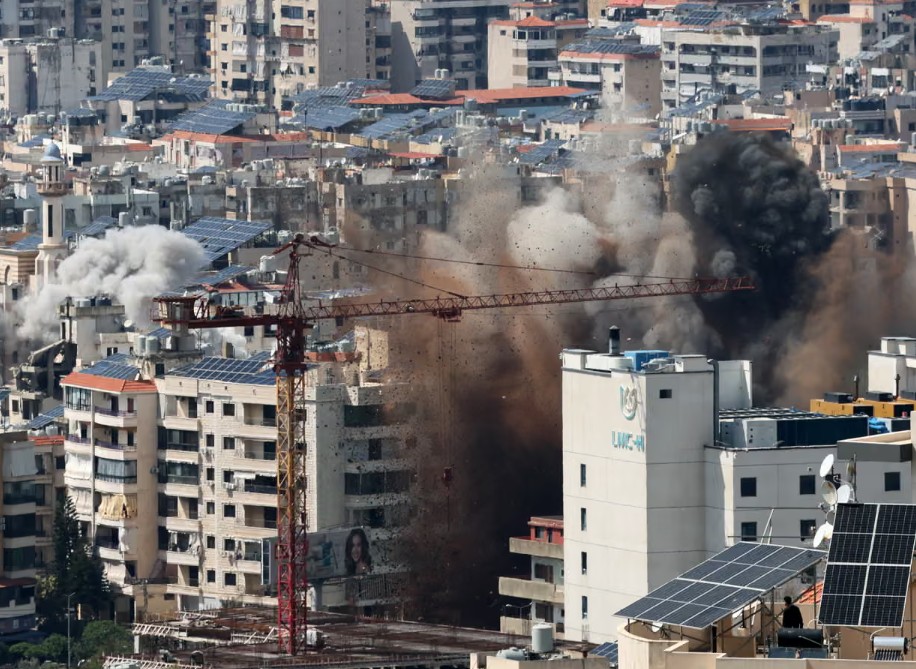
Israeli forces hit more than 100 targets across Beirut and other parts of Lebanon, reportedly killing at least 112 people. Israel’s Prime Minister Benjamin Netanyahu disputed claims by Iran and Pakistan that Lebanon was included in the ceasefire agreement reached just hours earlier.
In response, Iran suspended tanker movements through the Strait of Hormuz, a critical global oil route, accusing Israel of breaching the truce. The disruption has left hundreds of vessels stranded and raised concerns over global energy supplies, after oil prices had briefly fallen following the ceasefire announcement.
Tensions escalated further as Iran reportedly launched missiles and drones across the region, while the United Arab Emirates said it intercepted multiple aerial threats. Strikes were also reported on Saudi energy infrastructure.
Confusion over the terms of the agreement deepened after Donald Trump presented differing versions of the deal, including conflicting proposals on Iran’s nuclear program. Meanwhile, Iran signaled it would allow shipping to resume under strict coordination, potentially maintaining a costly transit system through Hormuz.
With negotiations expected to continue in Pakistan, officials warned the truce remains highly unstable, and military forces on all sides remain on alert.
From economics and politics to business, technology and culture, Kursiv Uzbekistan brings you key news and in-depth analysis from Uzbekistan and around the world. To stay up to date and get the latest stories in real time, follow our Telegram channel.