Trump Agrees Last-Minute Ceasefire with Iran to Reopen Strait of Hormuz

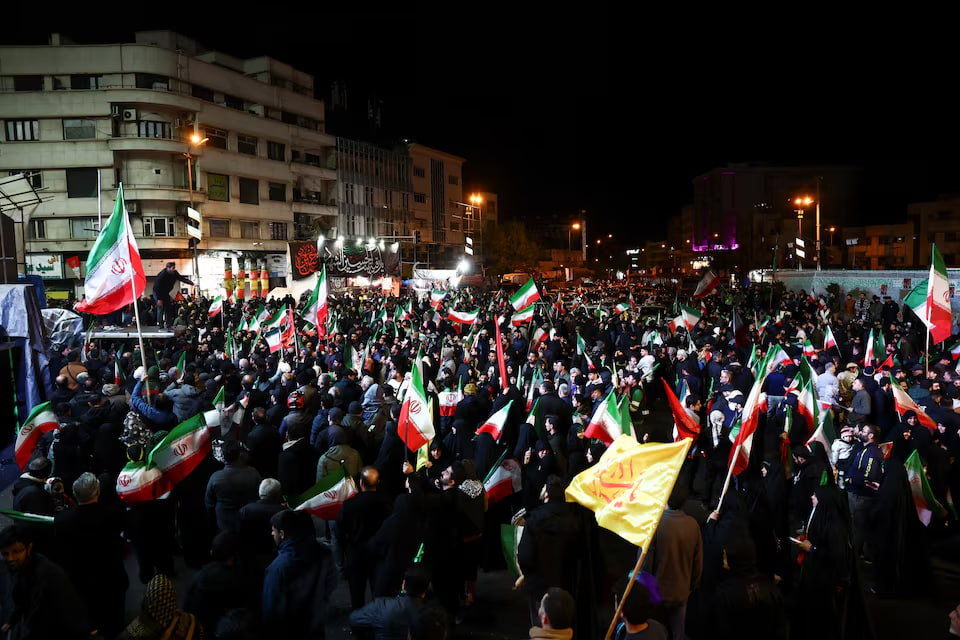
On Tuesday, U.S. President Donald Trump consented to a fortnight-long truce with Iran. This agreement came a mere two hours before his ultimatum expired, which had threatened devastating strikes on Iranian civilian infrastructure unless Tehran reopened the Strait of Hormuz.
The declaration marked a sharp reversal from the president’s severe warning earlier in the day that «a whole civilisation will die tonight» should his conditions be ignored. The ceasefire was brokered with the assistance of Pakistan’s military chief Field Marshal Asim Munir and Prime Minister Shehbaz Sharif.
Writing on X, Sharif mentioned he had extended invitations for U.S. and Iranian delegations to convene in Islamabad this Friday.
Trump noted this eleventh-hour pact hinged on Iran halting its blockade of oil and gas transit through the strait, a route that normally accommodates roughly a fifth of worldwide oil shipments. In response, Iranian Foreign Minister Abbas Araqchi released a statement confirming Tehran would halt its counter-strikes and guarantee safe maritime passage provided that attacks on Iran cease.
Trump’s position
Meanwhile, Iran’s Supreme National Security Council framed the arrangement as a triumph over the U.S. by asserting that Trump had bowed to their terms for concluding the hostilities.
Conversely, Trump informed the French news agency AFP that it constituted a «total and complete victory».
He added that Iran could commence rebuilding efforts whilst the US would assist with the backlog of shipping traffic in the Strait of Hormuz.
Now in its sixth week, the conflict has resulted in over 5,000 fatalities across nearly a dozen nations including upwards of 1,600 Iranian civilians, according to figures from government officials and human rights organisations.
However, an insider familiar with the negotiations voiced scepticism about the durability of the fortnight-long truce. They suggested the U.S. suspected Iran was merely stalling for time, describing the pause as a «trust-building exercise».
Dependent on the strait reopening
A statement from Prime Minister Benjamin Netanyahu‘s office confirmed that Israel backed the decision to pause strikes against Iran for the two-week duration. The office clarified that the truce does not extend to Lebanon, which seemingly contradicts earlier remarks from Pakistan’s Sharif claiming the deal encompassed an end to Israel’s Lebanese campaign.
The exact timeline for the ceasefire’s implementation remained ambiguous. Israeli press indicated it would commence only after Iran reopened the strait and that Israel anticipated ongoing Iranian aggression in the meantime.
Additionally, Iraq’s Islamic Resistance announced a two-week suspension of its regional and domestic operations.
10-point proposal
Having issued and subsequently retracted multiple threats in recent weeks, Trump attributed his agreement to the truce to the progress made between both factions. He revealed Iran had tabled a 10-point proposal serving as a «workable basis» for talks and anticipated a finalised agreement within the fortnight.
Financial markets experienced a relief rally as oil prices fell, equities climbed and the dollar depreciated during Asian trading hours, all driven by optimism surrounding the resumption of strait commerce.
International leaders embraced the pause in hostilities. The Australian government noted that
Analysts suggest Trump’s willingness to accept a truce indicates a realisation that the conflict, which faces deep unpopularity across much of America, is extending beyond his initial expectations.
An abrupt turnaround
The president’s announcement concluded a chaotic day previously defined by his threats to obliterate every bridge and power station in Iran should Tehran keep the strait closed. That rhetoric unsettled global leaders, shook international financial and energy markets and provoked widespread censure from figures including the head of the United Nations and Pope Leo.