FIA Confirms “Constructive Dialogue” on 2026 F1 Rules

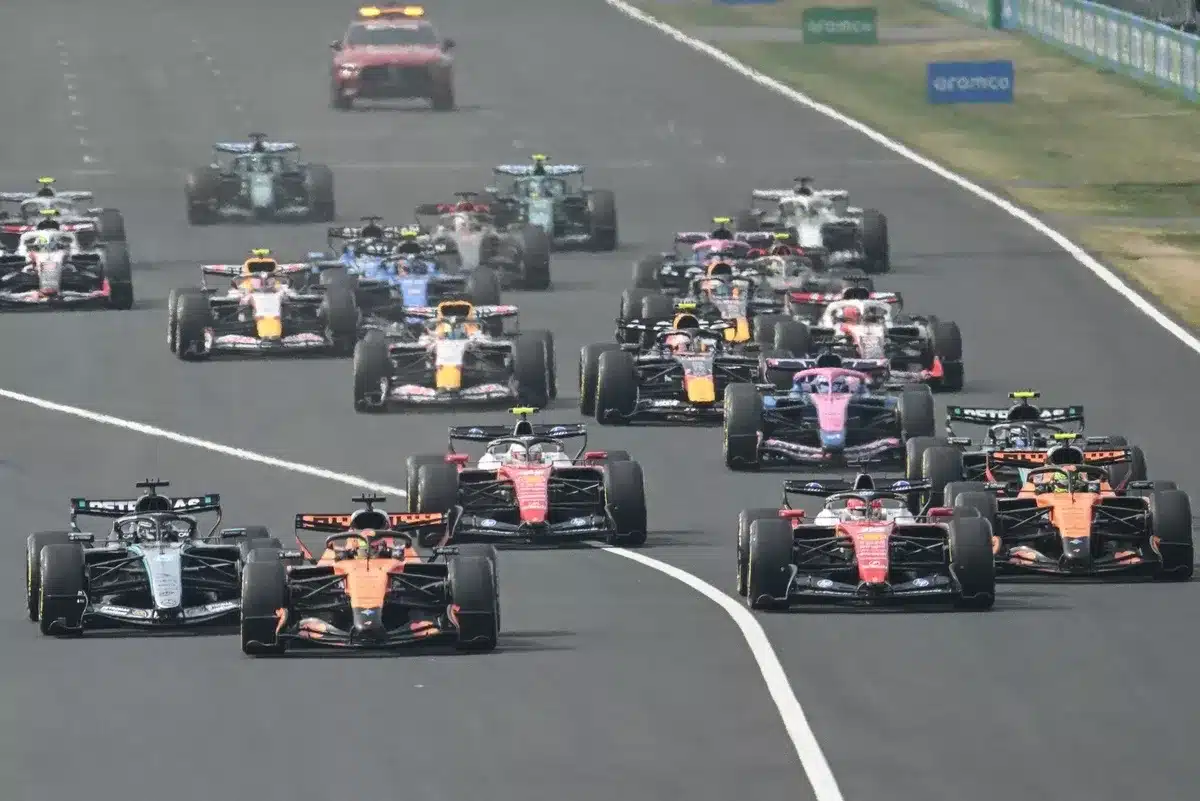
Following a wave of criticism from the grid, Formula One’s governing body has confirmed a «constructive dialogue on difficult topics» took place during a Thursday summit in London. The meeting brought together technical experts from the FIA, competing teams and power unit manufacturers to evaluate potential tweaks to the controversial 2026 regulations.
While the opening rounds of the new regulatory era have successfully delivered closer racing through high-speed corners, the heavily revised power units have drawn intense scrutiny. Acknowledging the problem, the FIA released a statement confirming that all stakeholders have committed to refining the energy management regulations.
The driver revolt over «lift and coast»
The crux of the issue lies in the new power units, which feature a roughly 50-50 power split between the internal combustion engine and the electrical system. Early races in Bahrain, Australia and Japan have highlighted that the current batteries simply cannot sustain a full-attack lap.
To avoid the sudden «cliff» of running out of electrical deployment down the long straights, competitors are being forced to adopt extreme preservation techniques. This includes drastic «lift and coast» phases and an unnatural tactic known as «super clipping» — harvesting energy against the engine while maintaining full throttle.
Instead of taking high-speed turns at the absolute limit of downforce and grip, drivers are deliberately slowing down to recharge their systems. Fernando Alonso recently lamented that sweeping corners have essentially become «charging stations» and joked that anyone from Aston Martin’s team could drive the cars.
Reigning champion Max Verstappen echoed these sentiments, comparing the new generation of machinery to «Formula E on steroids». Meanwhile, stars like Lewis Hamilton and Lando Norris have publicly criticised the unnatural driving style mandated by the 50/50 power split.
Proposed solutions on the table
Prior to Thursday’s summit, the FIA and teams had already begun floating several regulatory tweaks to rescue the racing spectacle. A minor initial fix was introduced ahead of the Japanese Grand Prix qualifying session when authorities unanimously agreed to drop the maximum permitted energy recharge from 9 megajoules down to 8 megajoules.
This subtle change allowed drivers to harvest less energy on the straights and perform fewer lifts.
Broader structural changes discussed leading up to the London meeting include:
- Reducing the overall amount of electrical energy drivers are permitted to deploy over a lap
- Increasing the efficiency and allowances for «super clipping» to harvest more power seamlessly
- Smoothing out the aggressive electrical power taper so cars do not suddenly lose top speed on the straights
- Relaxing fuel flow or engine compression restrictions to lessen the reliance on extreme hybrid regeneration
The road to Miami
The FIA has now established a clear timeline to formalise these adjustments before the sport heads to Florida for the Miami Grand Prix in May.
A dedicated Sporting Regulations meeting is scheduled for April 15 followed by a separate technical session on April 16. The consultation process will culminate in a high-level summit on April 20 where all F1 stakeholders will review the preferred technical proposals and seek a final consensus.