U.S., Iran Hold First Direct Talks in a Decade, Agree to Continue Negotiations

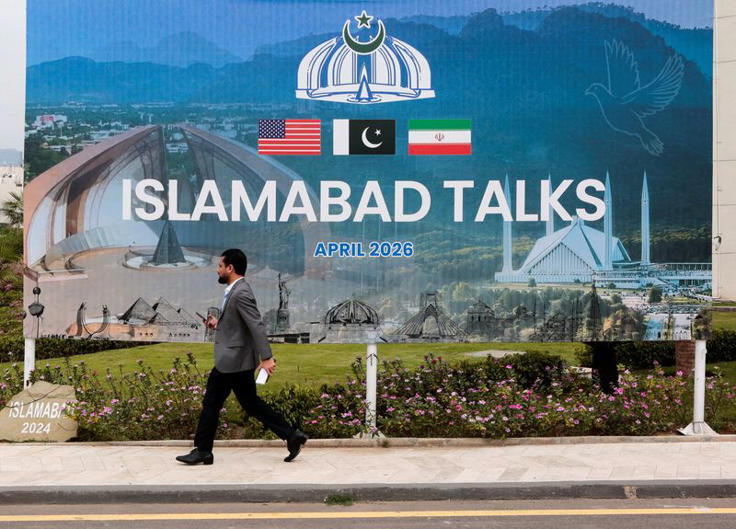
The United States and Iran have concluded their first round of direct talks in more than a decade, pledging to continue negotiations despite major unresolved issues. The 14-hour meeting, held in Islamabad, marks the highest-level contact between the two countries since the 1979 Islamic Revolution.
The discussions come against the backdrop of a fragile ceasefire following a six-week conflict and rising global oil prices. Both sides signalled cautious optimism, agreeing to pursue further dialogue on key disputes, including regional security and control of the Strait of Hormuz.
Strait of Hormuz at centre of dispute
A central issue in the talks remains the Strait of Hormuz, a critical maritime corridor through which roughly 20% of the world’s oil supply passes. Iran has maintained a blockade since the outbreak of hostilities, while the United States has indicated it is preparing measures to restore safe navigation.
The outcome of the negotiations is expected to have immediate implications for global energy markets and broader economic stability.
International pressure builds
World leaders have urged both sides to use the talks as an opportunity for de-escalation. Emmanuel Macron called on Tehran to move toward a lasting settlement, linking progress to wider regional security guarantees.
At the same time, Pope Leo XIV issued a strong moral appeal for peace during a vigil at the Vatican. He condemned the use of religion to justify violence and urged leaders to prioritise dialogue over continued conflict.
Uncertain path ahead
Analysts say continued talks could lead to a phased reopening of the Strait of Hormuz, easing pressure on oil prices and reinforcing the ceasefire. However, failure to reach agreement risks renewed hostilities and further economic disruption.
The combination of diplomatic efforts and mounting international pressure highlights the urgency of finding a sustainable resolution to the crisis.