Airlines Demand Suspension after Chaotic EES Rollout

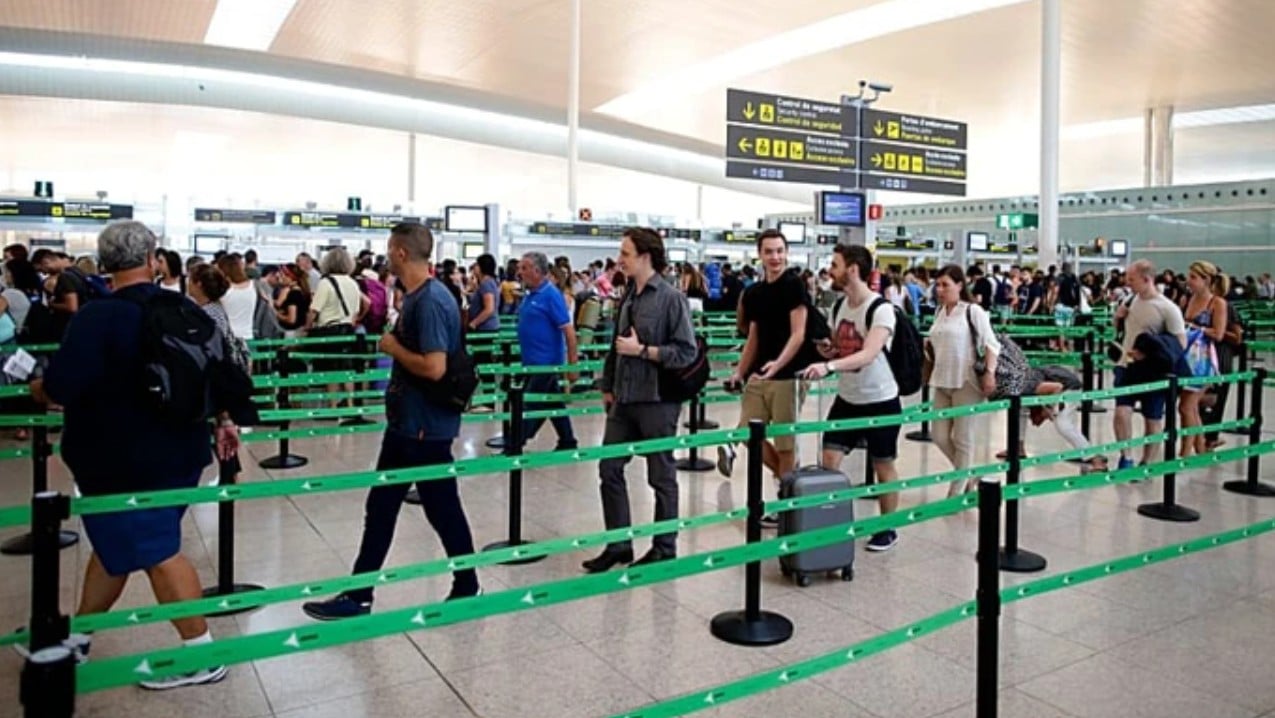
European airlines are calling for an urgent suspension of the new Entry/Exit System (EES) after its troubled launch on 10 April triggered widespread disruption at airports across the region.
Industry groups including Airlines for Europe and ACI EUROPE reported severe operational issues, with border control queues stretching up to three hours and passengers missing flights. They warned that the problems go beyond initial «teething issues», describing the rollout as a «systemic failure».
Budget carrier EasyJet also criticised the situation, calling delays «unacceptable» and urging authorities to apply all available flexibilities to minimise disruption.
«Airlines are working tirelessly to get flights to their destination on time… But the EES rollout this weekend told a different story: disruption and excessive waiting time – all outside airlines’ control,» A4E said.
Airlines are now pressing the European Commission to allow a full or partial suspension of the system until at least the end of summer.
Passengers stranded and facing costs
The impact on travellers has been immediate and costly. At Milan’s Linate Airport, only 34 out of 156 passengers managed to board an EasyJet flight to Manchester after lengthy border queues, leaving 122 stranded.
Some passengers were forced to spend heavily to complete their journeys. One family reportedly paid more than £1,600 to reroute via Luxembourg, arriving home a full day late.
What the EES means for travellers
The new system replaces manual passport stamping for non-EU nationals with a digital register of entries and exits, including biometric data such as fingerprints and facial recognition. It applies to short-term visitors under the 90/180-day rule, while EU and Schengen citizens are exempt.
Although designed to improve border security and track overstayers, the initial registration process can take longer — a factor widely blamed for the current bottlenecks.
Security goals vs. rollout reality
The EES forms part of the EU’s broader Security Union and migration strategy, aimed at modernising border management and preventing identity fraud. Managed by eu-LISA, it is expected to support automated border checks and improve efficiency over time.
However, the chaotic launch has raised concerns about readiness, with airlines warning that unless immediate adjustments are made, disruption could persist throughout the peak summer travel season.