US–Iran Talks Collapse as Hormuz Blockade Rattles Markets

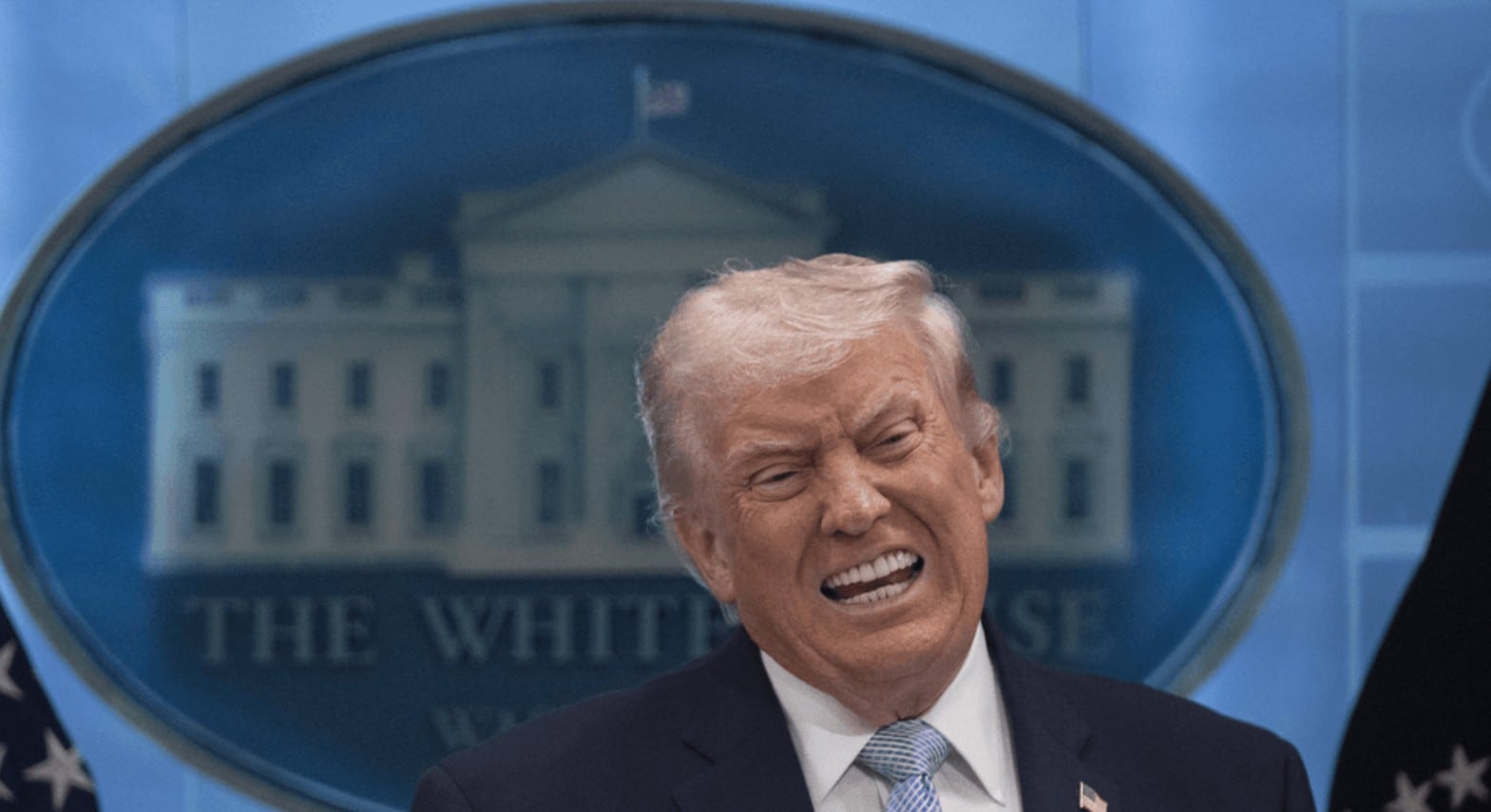
Marathon negotiations between the United States and Iran ended without agreement after more than 20 hours of talks in Islamabad, exposing deep divisions over Tehran’s nuclear programme and triggering a sharp escalation in regional tensions.
Officials on both sides traded blame for the breakdown. Washington said Iran refused to abandon its nuclear ambitions, while Tehran accused the U.S. of shifting demands. Despite some progress on secondary issues, negotiators left with core disagreements unresolved.
Within hours, Donald Trump announced a naval blockade of the Strait of Hormuz, a critical artery for global oil shipments. The move applies to all vessels and is being enforced by US naval forces, with additional warships deployed to the Gulf. Iran’s Revolutionary Guard warned of a «forceful response,» raising fears of direct confrontation.
Markets reacted immediately. Oil prices surged, with crude benchmarks jumping around 7–8% amid concerns over disrupted supply through the narrow waterway, which handles a significant share of global energy exports.
The collapse of talks also threatens a fragile ceasefire in the broader region. Mediators including Pakistan, Oman and the EU have urged restraint, but analysts warn that with positions hardening and military pressure increasing, the chances of a quick diplomatic breakthrough are rapidly fading.