Tarantino at the Pentagon: Hegseth Mistakes “Pulp Fiction” Script for Scripture

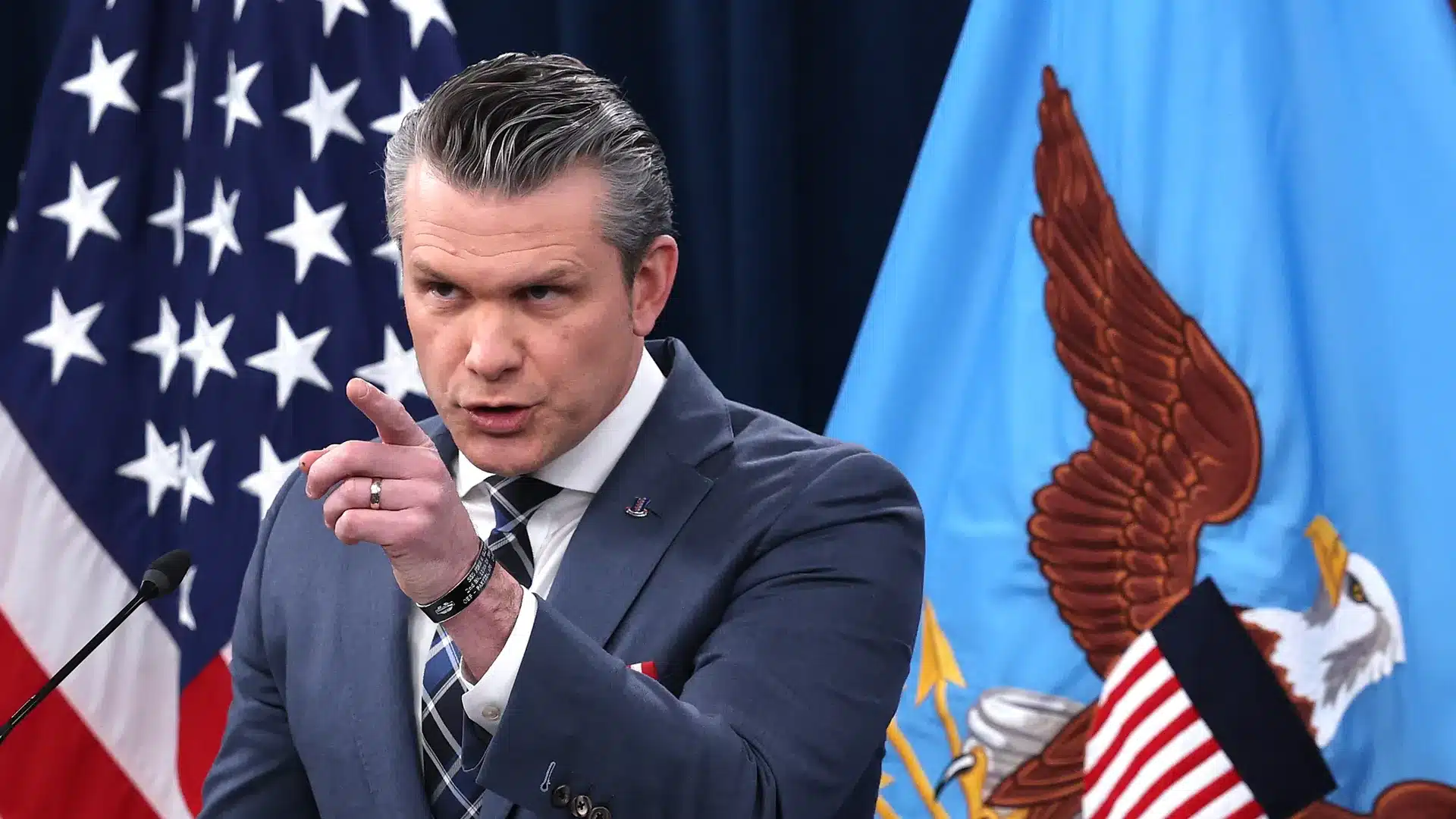
The United States Secretary of War, Pete Hegseth, has found himself at the centre of a bizarre theological blunder after he inadvertently quoted a Quentin Tarantino screenplay while leading a formal prayer at the Pentagon, Variety reports.
Intending to offer spiritual support for an American pilot currently missing in Iran, the former Fox News host instead recited the «Ezekiel 25:17» monologue famously delivered by Samuel L. Jackson’s hitman character in the 1994 cult classic Pulp Fiction.
The incident took place during a Wednesday worship service within the Department of War. Hegseth introduced the passage as «CSAR 25:17», a reference to the «Sandy 1» Combat Search and Rescue mission, telling the gathered congregation that the words were a traditional invocation for downed aviators.
In reality, the text he read is a fictionalised creation of Tarantino’s, bearing little resemblance to the actual biblical verse of the same name.
From Hollywood to the altar
The passage Hegseth recited describes the «path of the downed aviator» being «beset on all sides by the inequities of the selfish and the tyranny of evil men». It culminates in a promise to strike down enemies with «great vengeance and furious anger».
While the actual King James Bible version of Ezekiel 25:17 is a brief declaration of divine retribution against the Philistines, it lacks the dramatic «shepherd of the weak» and «finder of lost children» flourishes that Tarantino penned for the silver screen.
Movie buffs have long known that the director actually lifted the fake verse from the 1973 Japanese martial arts film Bodyguard Kiba, starring the legendary Sonny Chiba, where it was similarly used as a pre-execution warning. Hegseth’s only original contribution was substituting «the Lord» with the military call sign «Sandy 1».
Pharisees and the press
The gaffe was first flagged by the religion and politics site A Public Witness, but Hegseth remained defiant when facing the media on Thursday. Rather than acknowledging the cinematic origin of his prayer, he launched a scathing attack on the press corps, comparing modern journalists to the New Testament Pharisees.
Addressing a news conference, the Secretary accused reporters of harbouring «hardened hearts» and focusing on negativity regarding the American offensive in Iran. He suggested that like the Pharisees who opposed Jesus, the «self-appointed elites» of the media were present only to «explain away the goodness» of the administration’s military successes in pursuit of a partisan agenda.
A combative tenure
Hegseth’s appointment by President Donald Trump has been marked by a shift towards more overtly religious and aggressive rhetoric within the American military establishment. Having been sworn in on January 25, 2025, Hegseth oversaw the controversial rebranding of the Department of Defence to the Department of War on September 5, 2025.
The name change was intended to signal a return to «clear-eyed strength», yet this latest incident suggests the new leadership may be blurring the lines between historical doctrine and Hollywood drama.
While the search for the missing pilot continues, the Secretary’s penchant for using «righteous vengeance» as a policy tool remains under intense scrutiny from both theologians and military analysts alike.