Pro-Russian Rumen Radev Sweeps to Power in Bulgarian Election Landslide

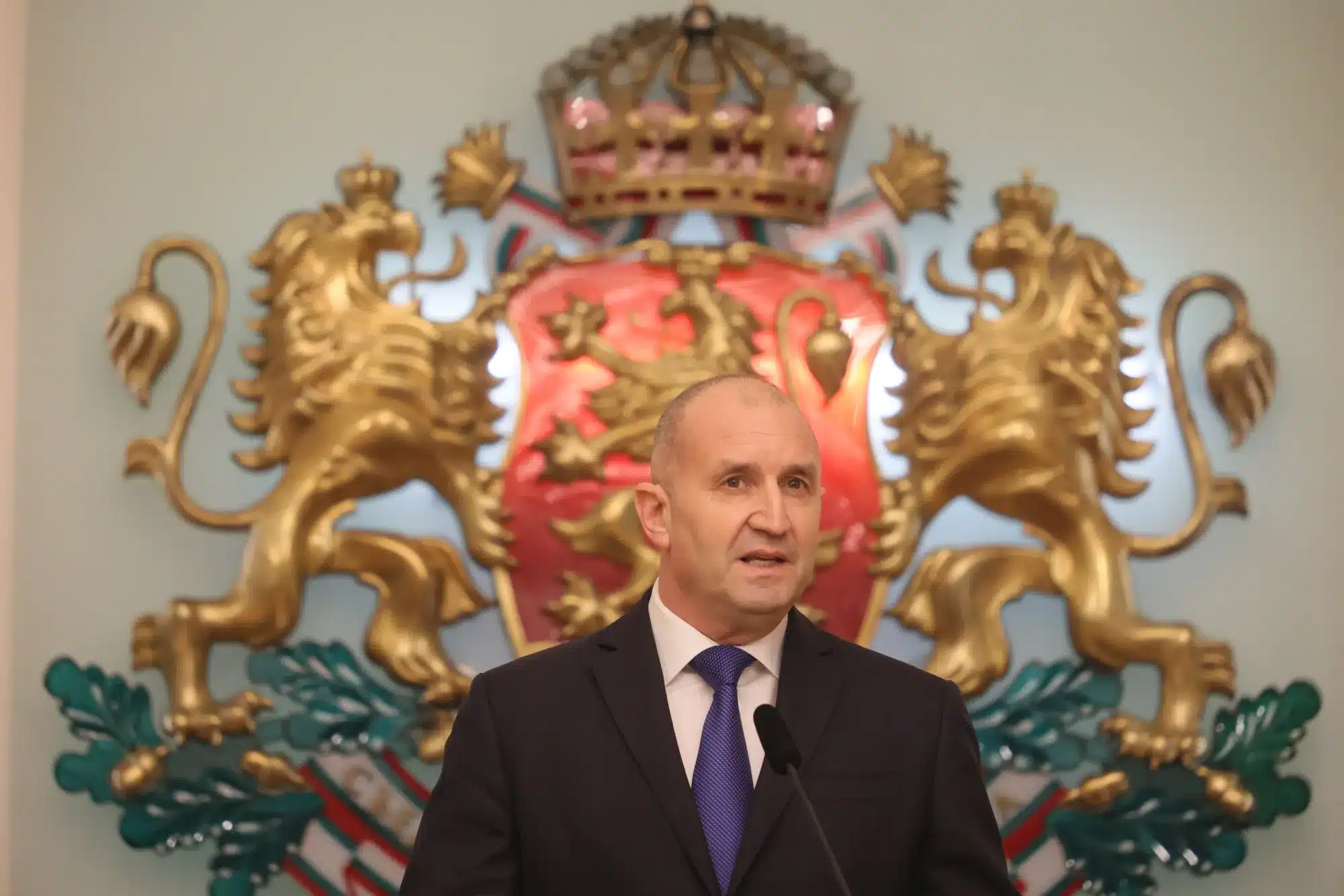
Pro-Russian former President Rumen Radev is on course for a sweeping victory in Bulgaria’s parliamentary election according to recent exit polls, Reuters reports.
This decisive result could secure his party a governing majority, thereby ending a prolonged period of fragile coalition governments and potentially shifting the foreign policy of the European Union member state.
A political earthquake
Data published by the Sofia-based polling agency Alpha Research indicates that Radev’s Progressive Bulgaria party has captured an astonishing 44% of the vote. This places them drastically ahead of the historically dominant GERB party led by former Prime Minister Boyko Borissov which currently sits at just 12.5%.
If these figures are officially verified, it will represent the most powerful single-party mandate in a generation. The result threatens to sideline veteran political factions and could finally resolve a chaotic era of instability that has forced citizens to the ballot box eight times in just five years.
Addressing the media following the release of the exit polls, Radev framed the projected outcome as a monumental triumph for the public.
Capitalising on voter frustration
The eurosceptic former fighter pilot, who has consistently opposed providing military aid to Ukraine, resigned from his presidential post in January to contest the parliamentary vote. His bold move followed massive anti-government protests in December that successfully ousted the previous administration.
Radev managed to surf a massive wave of public anger in the Balkan nation of 6.5 mln people. Voters have grown increasingly exhausted by endemic corruption and the stagnant veteran parties that have controlled the political landscape for decades.
This renewed public interest was reflected in the turnout, which hit 47% with an hour of voting still remaining, a sharp increase from the 39% recorded during the previous election in October 2024.
Evelina Koleva, a digital marketing manager based in Sofia, told Reuters that the mood in the capital is optimistic.
Foreign policy and economic challenges
Throughout his campaign Radev drew heavy comparisons to Hungary’s Kremlin-friendly former leader Viktor Orban. He openly advocated for restoring diplomatic ties with Moscow, restarting the flow of Russian energy into Europe and heavily criticised the EU for its deep reliance on renewable energy sources.
It remains entirely unclear how his controversial views will impact the geopolitical standing of a nation firmly anchored in NATO and the eurozone.
Despite his commanding lead, Radev indicated a willingness to compromise. He floated the idea of forming a minority government in the 240-seat parliament or collaborating on judicial reforms with the pro-European PP-DB coalition, which polled third at 11.3%.
Meanwhile, GERB leader Boyko Borissov appeared to concede defeat on Facebook while offering a stark warning about the realities of power.
Since the collapse of communism in 1989, Bulgaria has experienced rapid development. The nation boasts the lowest unemployment rate in the EU, rising life expectancy and increased economic safeguards since adopting the euro in January.
However, the country still struggles with rampant electoral vote-buying and deeply rooted graft. Furthermore, the recent transition to the single currency has triggered severe cost of living concerns, with the previous government collapsing after widespread outrage over proposed tax hikes and increased social security contributions.