Iran Signals Escalation as Strait of Hormuz Tensions Rise

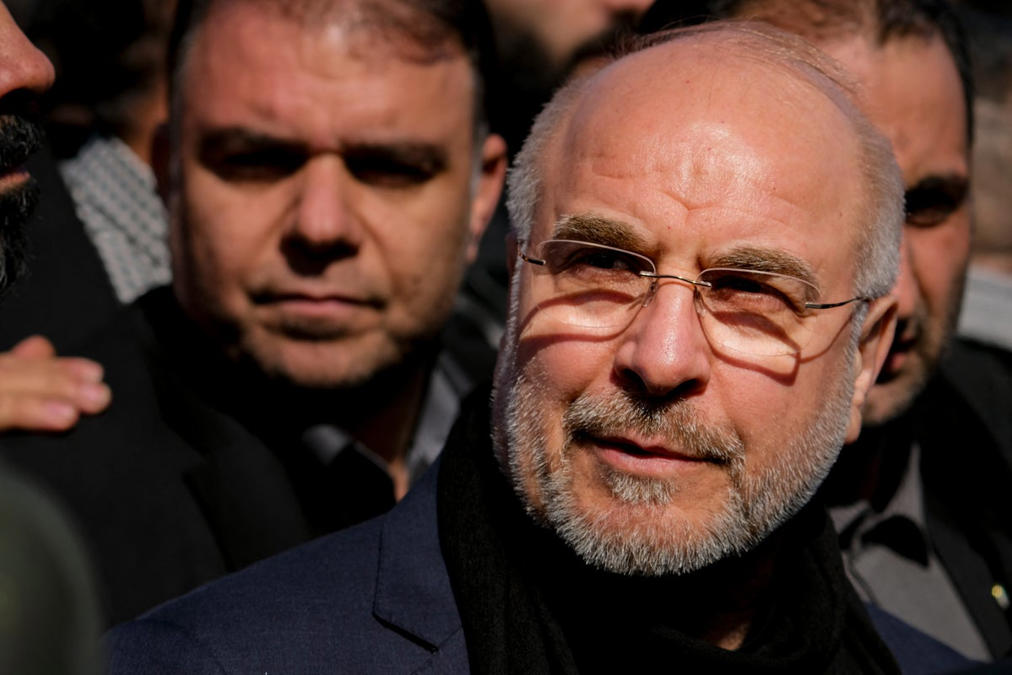
Mohammad Bagher Ghalibaf has warned that Tehran has prepared «new cards on the battlefield» and will not engage in negotiations with the United States under pressure, as tensions in the Gulf continue to escalate.
The statement comes after Donald Trump confirmed that a U.S. naval blockade of the Strait of Hormuz will remain in place until Iran agrees to a peace deal. Trump also cautioned that failure to reach an agreement could lead to «unprecedented problems.»
The standoff intensified after U.S. forces seized the Iranian cargo vessel Touska, accusing it of attempting to breach the blockade. Tehran condemned the move as illegal and demanded the immediate release of the ship’s crew.
Meanwhile, Xi Jinping called for the vital shipping route to remain open, urging all sides to prioritise diplomacy and political dialogue in resolving the crisis.
Amid rising pressure, Iran is reportedly reconsidering its participation in a second round of peace talks in Islamabad, as mediators push for renewed negotiations despite growing calls within the country to take a tougher stance.