World’s Largest Condom Maker Karex to Hike Prices by up to 30% Amid Supply Crisis

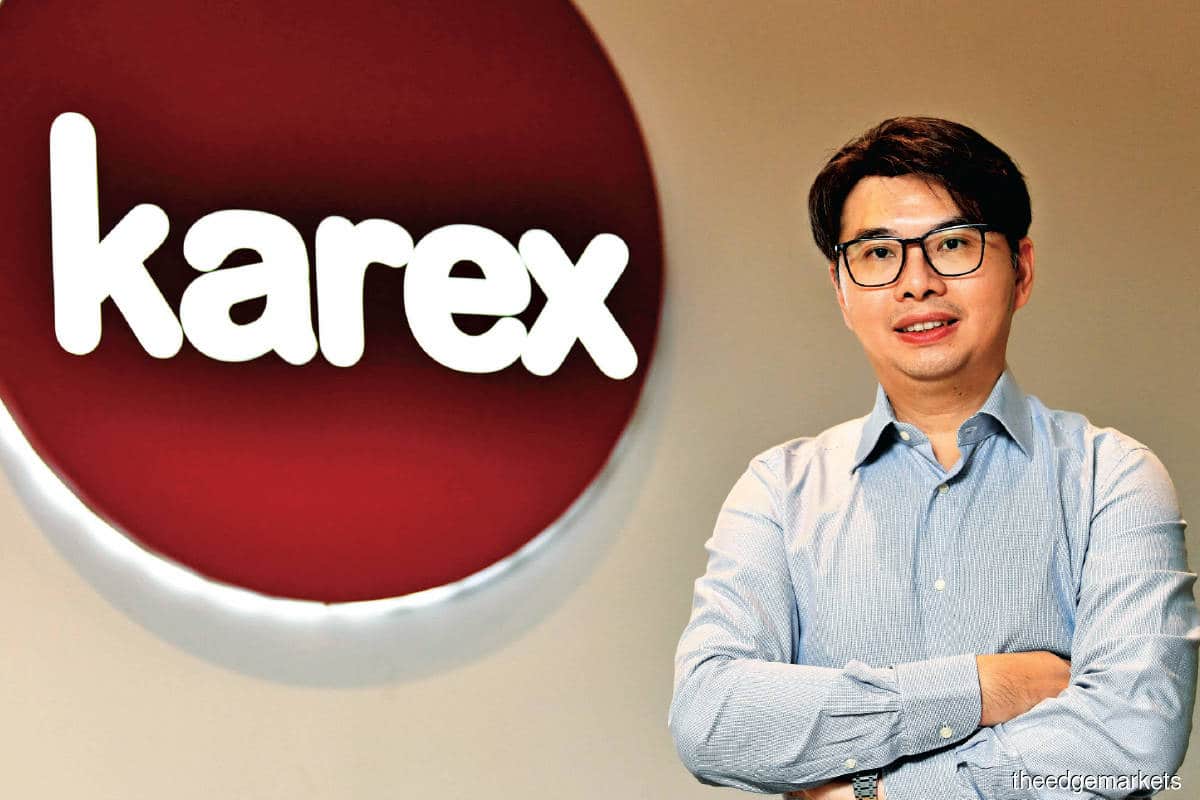
Malaysian firm Karex Bhd, the largest producer of condoms globally, is preparing to increase its prices by between 20% and 30%.
The company’s chief executive has warned that further hikes may be necessary if the ongoing conflict in Iran continues to severely disrupt international supply chains.
Speaking to Reuters on Tuesday, CEO Goh Miah Kiat explained that Karex is currently experiencing a massive surge in demand. Skyrocketing freight costs and significant shipping delays have left many clients with dangerously low inventory levels.
«The situation is definitely very fragile, prices are expensive,» Goh stated. «We have no choice but to transfer the costs right now to the customers.»
Global shortages and shipping chaos
Karex manufactures more than 5 bn condoms every year. The firm is a crucial supplier for major commercial brands such as Durex and Trojan as well as state-run healthcare providers like Britain’s NHS and international aid programmes managed by the United Nations.
Like many manufacturers across various sectors, the condom producer is battling severe procurement bottlenecks. The conflict in the Middle East has placed immense strain on the flow of energy and petrochemicals. Since the hostilities escalated in late February, Karex has faced mounting expenses for essential manufacturing materials including synthetic rubber, nitrile, silicone oil lubricants and aluminium foil packaging.
While the company possesses sufficient supplies to maintain operations for the next few months, it is urgently trying to increase production to satisfy a 30% spike in demand this year. This surge is partly driven by a dramatic drop in global stockpiles following major reductions in foreign aid spending during the previous year, most notably by the U.S. Agency for International Development.
The situation is being further aggravated by extended transit times. Shipments destined for key markets in Europe and the United States are now taking almost two months to complete their journeys compared to the standard one-month timeframe.
Goh noted that a vast quantity of vital stock is currently stranded at sea. He highlighted that many developing nations are facing acute shortages because the essential products simply require far more time to reach their shores.