Uzbekistan’s President Shavkat Mirziyoyev Elected Head of Aral Sea Fund

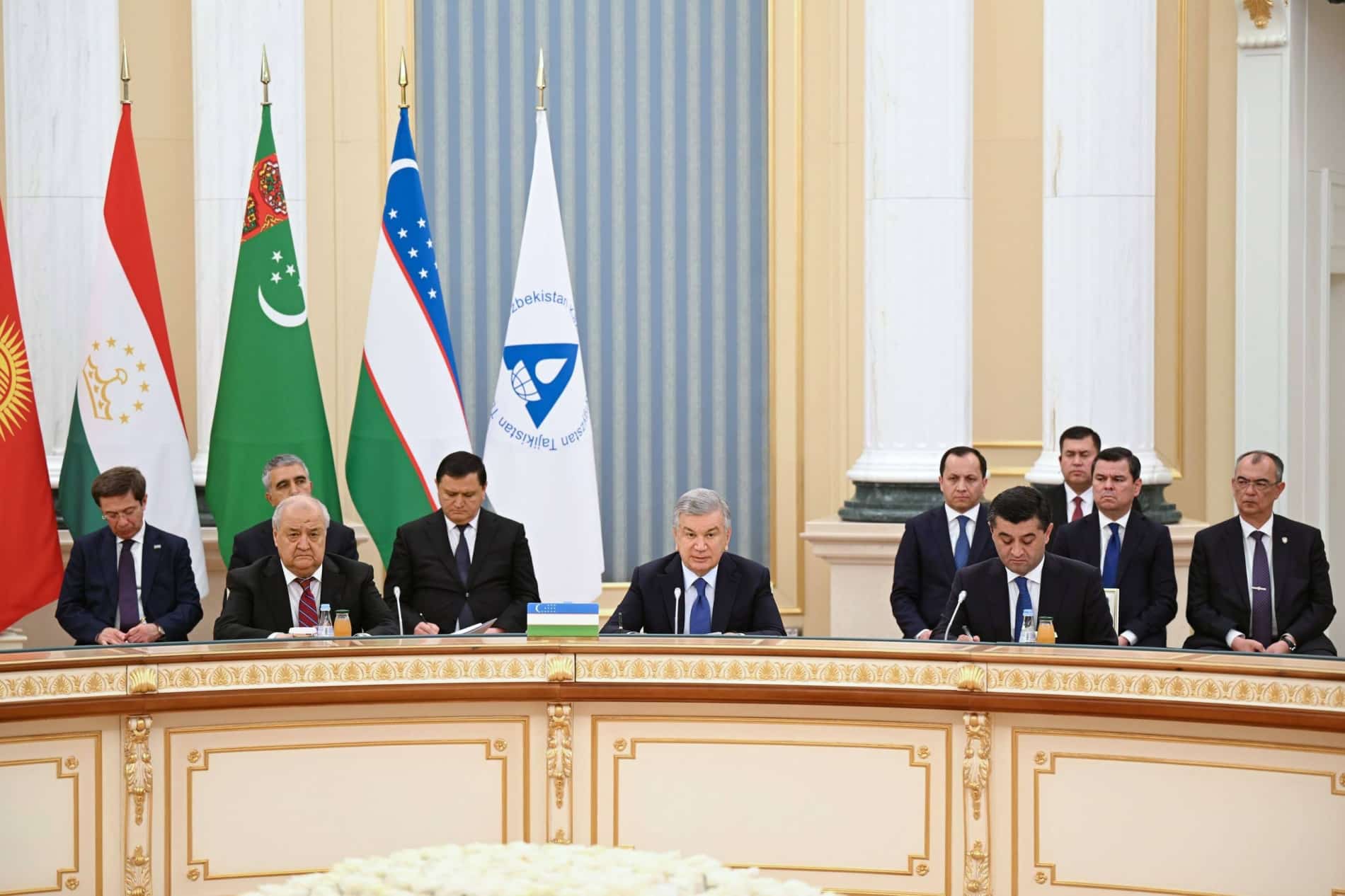
Shavkat Mirziyoyev, the President of Uzbekistan, has been appointed to lead the International Fund for Saving the Aral Sea (IFAS) for the 2027–2029 term.
The decision was finalised during a summit of member states on April 22, chaired by Kazakh President Kassym-Jomart Tokayev and attended by the leaders of Kyrgyzstan, Tajikistan and Turkmenistan.
The high-level talks predominantly focused on the current state of the Aral Sea alongside broader regional challenges concerning water resources, environmental protection and sustainable development.
Addressing the summit, Mirziyoyev cautioned that the compounding effects of climate change and surging consumption are drastically complicating the region’s ecological landscape, warning of severe future water deficits.
Digital metrics and expanded funding
To combat these growing threats, the Uzbek leader outlined a series of strategic initiatives. He advocated for integrating precise digital metrics into the monitoring system of the region’s fourth development programme. This data-driven approach is intended to track progress transparently and attract vital supplementary funding from international partners.
Mirziyoyev also proposed broadening the operational mandate of the UN Multi-Partner Human Security Trust Fund. By extending its reach beyond specific districts in the immediate Aral Sea area to encompass the entire basin, he argued the fund could finance a wider array of ecological and social initiatives across all Central Asian nations.
Regional synergy and anti-desertification
The president also called for tighter collaboration between IFAS and other regional frameworks dedicated to energy, climate, water management and the protection of mountain ecosystems. A key element of this synergy would involve launching joint anti-desertification campaigns in partnership with specialised international centres.
The newly elected IFAS head stressed the need for a fundamental cultural shift regarding resource conservation. He suggested embedding water stewardship into all educational tiers, from primary schools to advanced professional training, establishing rational consumption as a standard societal norm.
To support the economic sectors most reliant on these resources, he pitched the «Water of the Future» regional programme. This targeted initiative would equip farmers and industrial enterprises with practical training on modern water-saving technologies and efficiency practices.