EU and Ukraine Impose Sanctions on Uzbek Companies and Businessmen

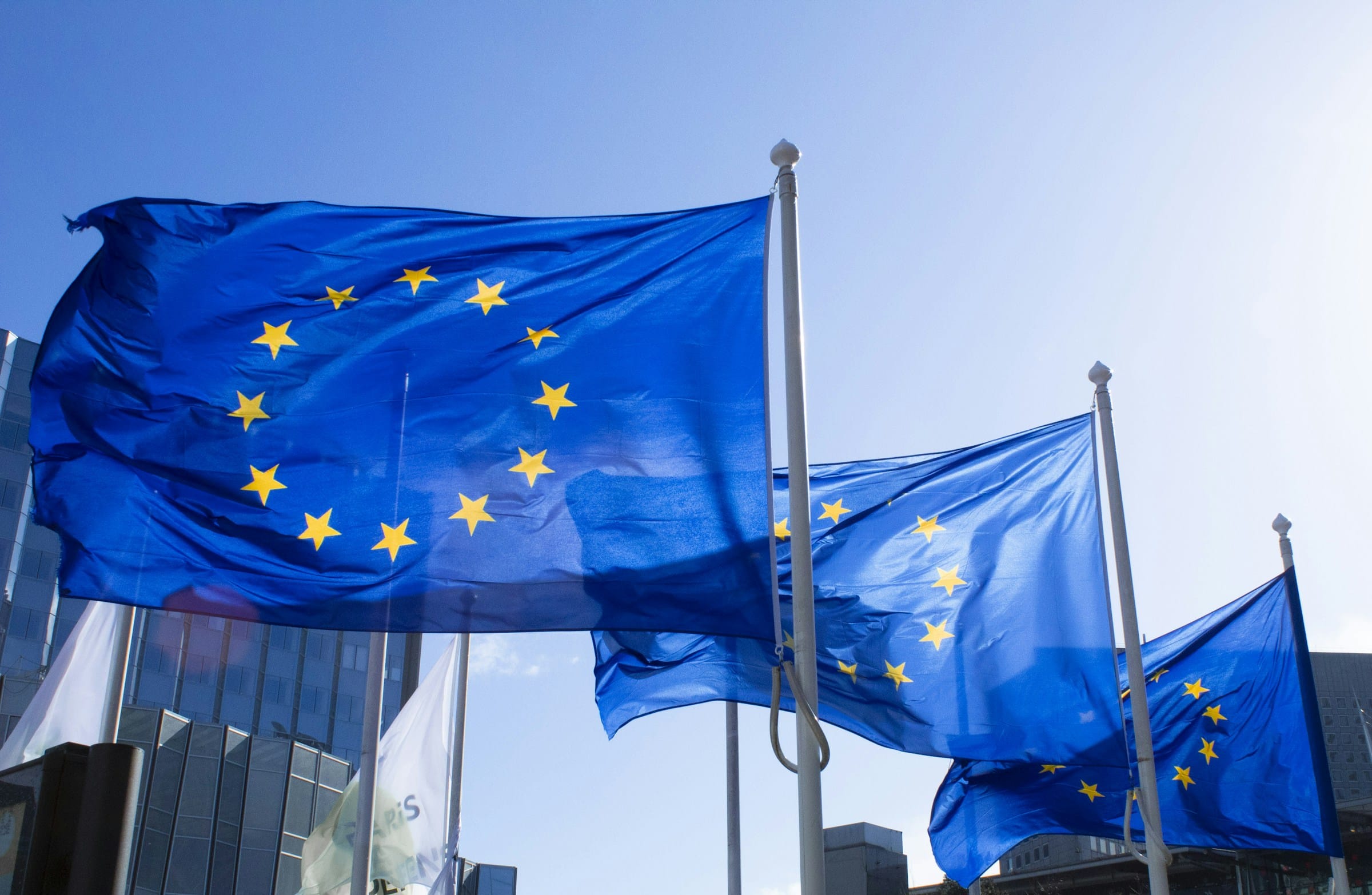
The European Union and Ukraine have sanctioned three Uzbekistan-based companies and two businessmen for their roles in supplying the Russian military-industrial complex. The santions target key figures and businesses involved in the production of explosives materials and equipment leasing.
Ukrainian sanctions
The pressure on these enterprises escalated after Ukrainian President Volodymyr Zelensky signed a decree imposing ten-year sanctions that came into effect on May 9, 2025. These measures directly target the Tashkent-registered joint venture Mercury Renaissance and its subsidiary Fergana Chemical Plant.
Mercury Renaissance has been involved in leasing construction equipment since 2016 and was founded by two businessmen: Rustam Muminov and Shakhriyor Tadjiev. The Jizzakh-based paper pulp and cellulose manufacturer Raw Materials Cellulose was also hit by the Ukrainian decree.
Under the new Ukrainian measures, Muminov is facing strict personal sanctions, with the decree stating that «appropriate measures» will be taken against him. He is already a familiar figure to Western regulators, holding passports from Uzbekistan, Russia and the UK. The entrepreneur was previously included in the EU’s 19th sanctions list in the autumn of 2025 and has faced blocking measures from London.
Muminov used to hold 60% of shares in Mercury Renaissance, but after sanctions in 19th package, the shares moved into possession of a another person.
EU’s 20th package
These developments align with the EU’s extensive 20th package of anti-Russian measures published in the Official Journal of the EU. European regulators directly targeted Fergana Chemical Plant and Raw Materials Cellulose in this latest round of restrictions. These facilities specialise in cotton cellulose, a dual-use raw material critically needed to manufacture gunpowder and other explosives.
According to trade registers and independent investigations, products from these sites were regularly supplied to the Kazan, Perm and Tambov gunpowder plants in Russia. The volume of these exports has increased manifold since 2022, causing serious concern among Western nations.
Now the European assets of these controlled enterprises are subject to freezing, whilst EU citizens and companies are strictly prohibited from conducting any financial or trade dealings with them.
The 20th EU sanctions package has become one of the most extensive in the last two years, covering a total of 120 individuals and legal entities.
Alongside stopping the supply of components for the defence sector, Brussels has introduced a ban on maritime services for the shadow fleet, increased pressure on the cryptocurrency market and prohibited the export of high-precision machine tools to neighbouring Kyrgyzstan due to the high risk of re-export.