Jeffrey Epstein Allegedly Used Tiles From Uzbekistan For Island Sanctuary

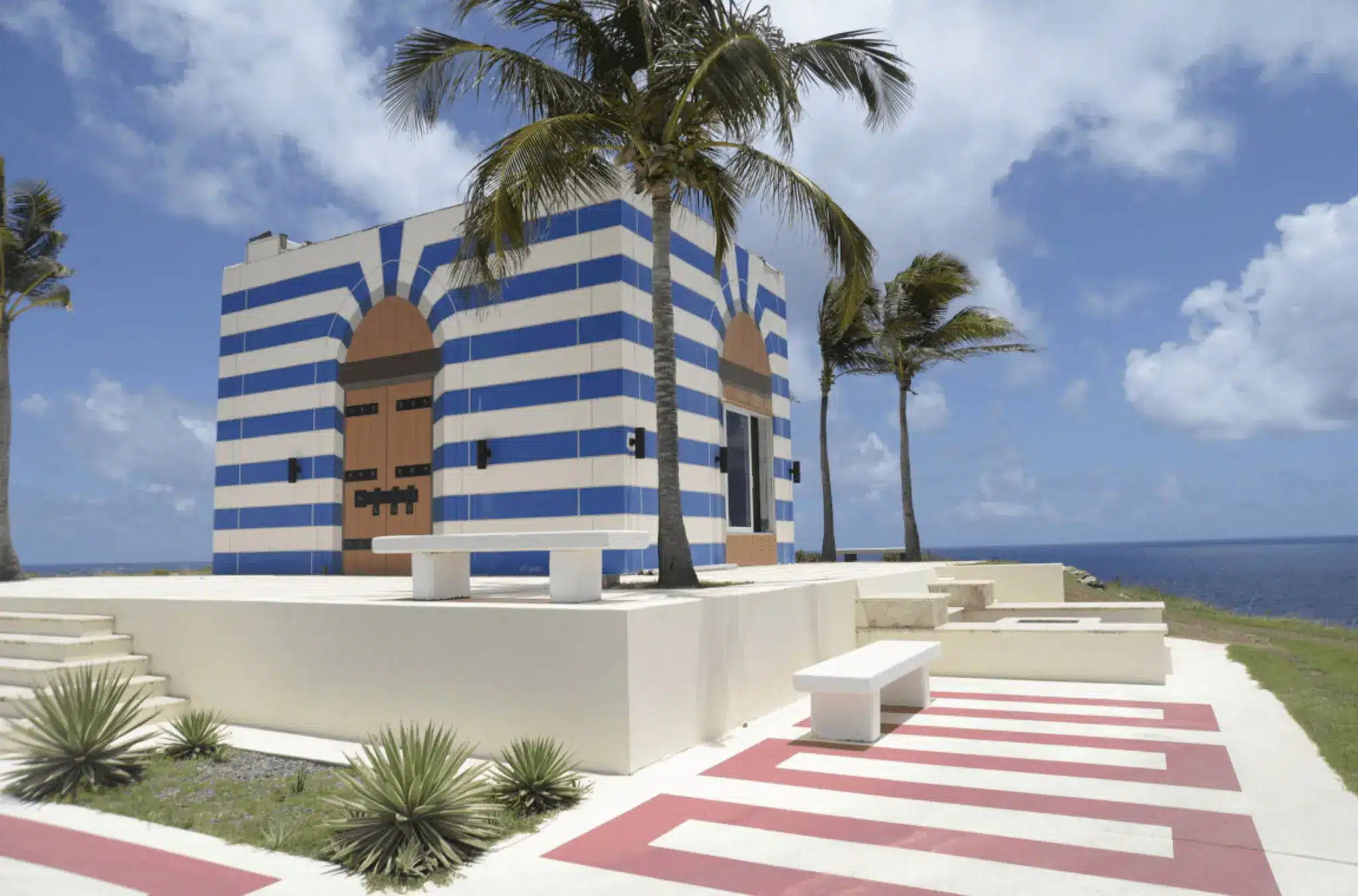
The disgraced American financier Jeffrey Epstein used authentic tiles from an Uzbekistani mosque and tapestries from the Kaaba to decorate a bizarre building on his private Caribbean island of Little St James. According to an investigation by The New York Times (NYT), the billionaire conceived the idea to build a personal sanctuary while serving time in prison following his first conviction.
Before his release in 2009, Epstein began communicating with architects to design a traditional hammam (bathhouse) surrounded by an elaborate Islamic garden. By 2011, he was actively sourcing materials. The NYT reports that he emailed a contact in Uzbekistan to acquire genuine tiles, noting:
Designing the island sanctuary
Romanian artist Ion Nicola, who was hired to work on the project, confirmed that Epstein frequently referred to the island structure as a «mosque».
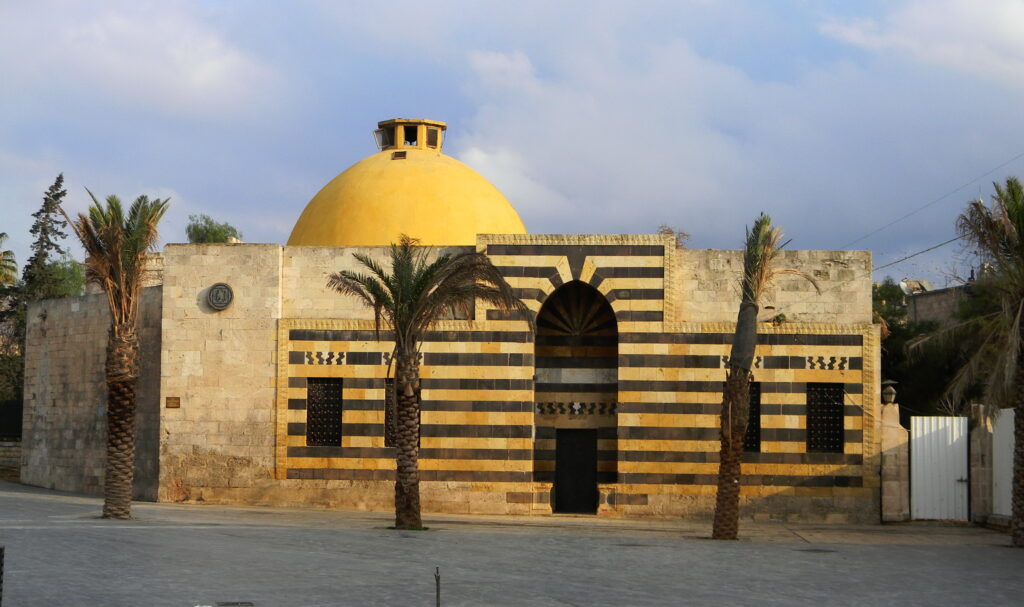
The billionaire’s vision was highly specific and deeply self-aggrandising. In 2013, Epstein sent Nicola photographs of the historic Yalbugha hammam in Aleppo to use as inspiration for his sketches. Strikingly, the American requested that the inscription for «God» on the building’s dome be replaced with his own personal initials.
Ultimately, Epstein abandoned his plans for the bathhouse and mosque concept. He instead decided to repurpose the completed building into a dedicated music room.
Epstein’s Criminal Legacy
Born in the United States on January 20, 1953, Epstein built his wealth after starting his career at the investment bank Bear Stearns before founding his own firm J. Epstein & Co.
His public reputation was shattered in 2008 when he pleaded guilty to state charges of procuring a child for prostitution and of soliciting a prostitute. Over a decade later in 2019, he was arrested again on federal charges for the sex trafficking of minors. He was found dead in his New York prison cell later that same year while awaiting trial.
The fallout from his crimes continues to resonate. In early 2024, a New York court began unsealing numerous documents related to his associates. These documents contained the names of more than 150 people including high-profile politicians, business leaders and public figures.