Hantavirus Alert Expands as Authorities Probe Secondary Cases in Spain and Tristan da Cunha

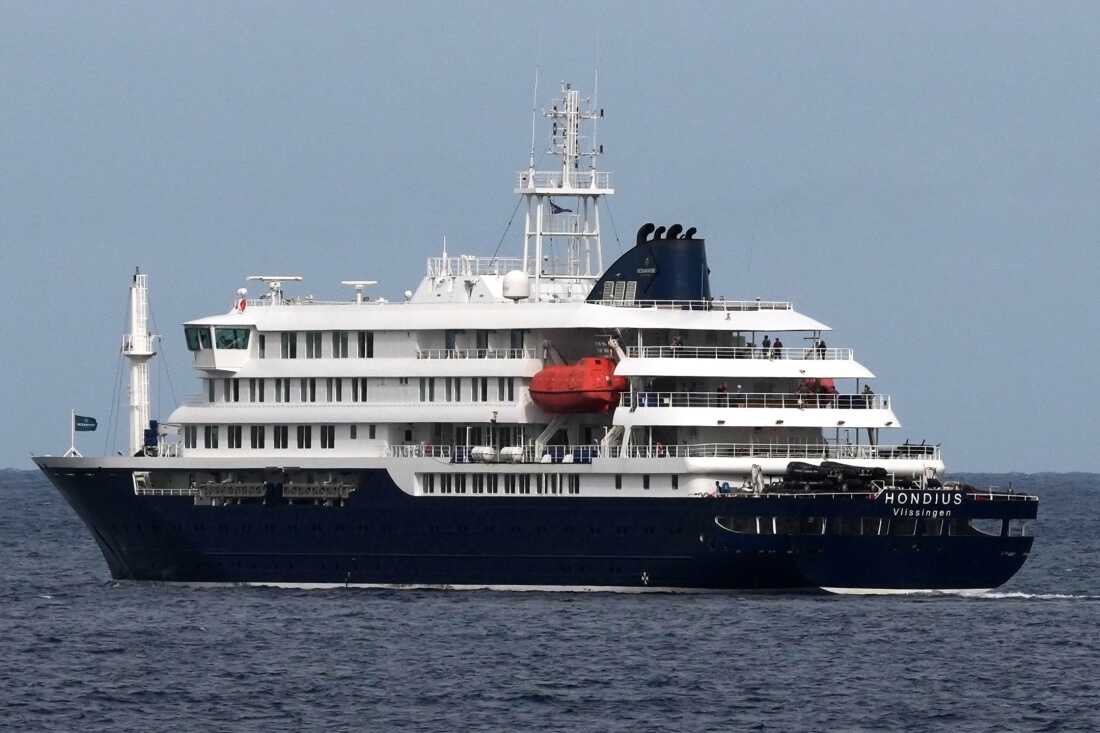
International health agencies are monitoring a potential geographic spread of the Andes hantavirus after detecting two new suspected infections linked to the MV Hondius cruise ship thousands of miles away from the initial outbreak, Reuters reports.
Secondary transmission investigations
The latest suspected cases involve a British passenger who disembarked on the remote South Atlantic island of Tristan da Cunha and a 32-year-old woman in Alicante, Spain.
Spanish health official Javier Padilla confirmed the woman is currently undergoing testing for mild respiratory symptoms. She had shared a flight in Johannesburg on April 25 with an infected Dutch cruise passenger who disembarked the aircraft prior to takeoff and subsequently died in hospital.
The UK Health Security Agency identified the second suspected patient on Tristan da Cunha, the world’s most remote inhabited island. Officials noted the British man was aboard the MV Hondius when it stopped at the settlement between April 13 and April 15.
Primary outbreak and virus details
These emerging infections sit outside the World Health Organization’s primary cluster of eight patients directly associated with the Dutch-flagged vessel. The original outbreak has resulted in three fatalities, a German citizen and a Dutch couple. Four other confirmed patients remain hospitalised across South Africa, Switzerland and the Netherlands.
Medical analysis indicates the cluster is driven by the Andes virus. The WHO notes this specific strain is unique among hantaviruses for its ability to spread between humans through prolonged close contact.
Despite a fatality rate that can reach 50% according to UN health data, WHO technical officer Anais Legand stressed that the transmission dynamics present a low risk to the broader public.
Vessel interception and quarantine protocols
The MV Hondius is scheduled to dock in Tenerife early on Sunday. Operator Oceanwide confirmed that none of the 147 individuals remaining on board are currently exhibiting symptoms.
The vessel initially departed Argentina in March and was temporarily detained off Cape Verde when the medical emergency became apparent. Thirty-four passengers had already left the ship before the first severe respiratory illnesses were recorded.
Upon arrival in the Canary Islands, all disembarking personnel will face strict medical screening. The U.S. Centers for Disease Control and Prevention has designated the situation a level three emergency and will repatriate 17 American citizens via a specialised flight to undergo quarantine at the University of Nebraska.