Ford Boss Reveals Talks With Max Verstappen Over Future Le Mans Hypercar Drive

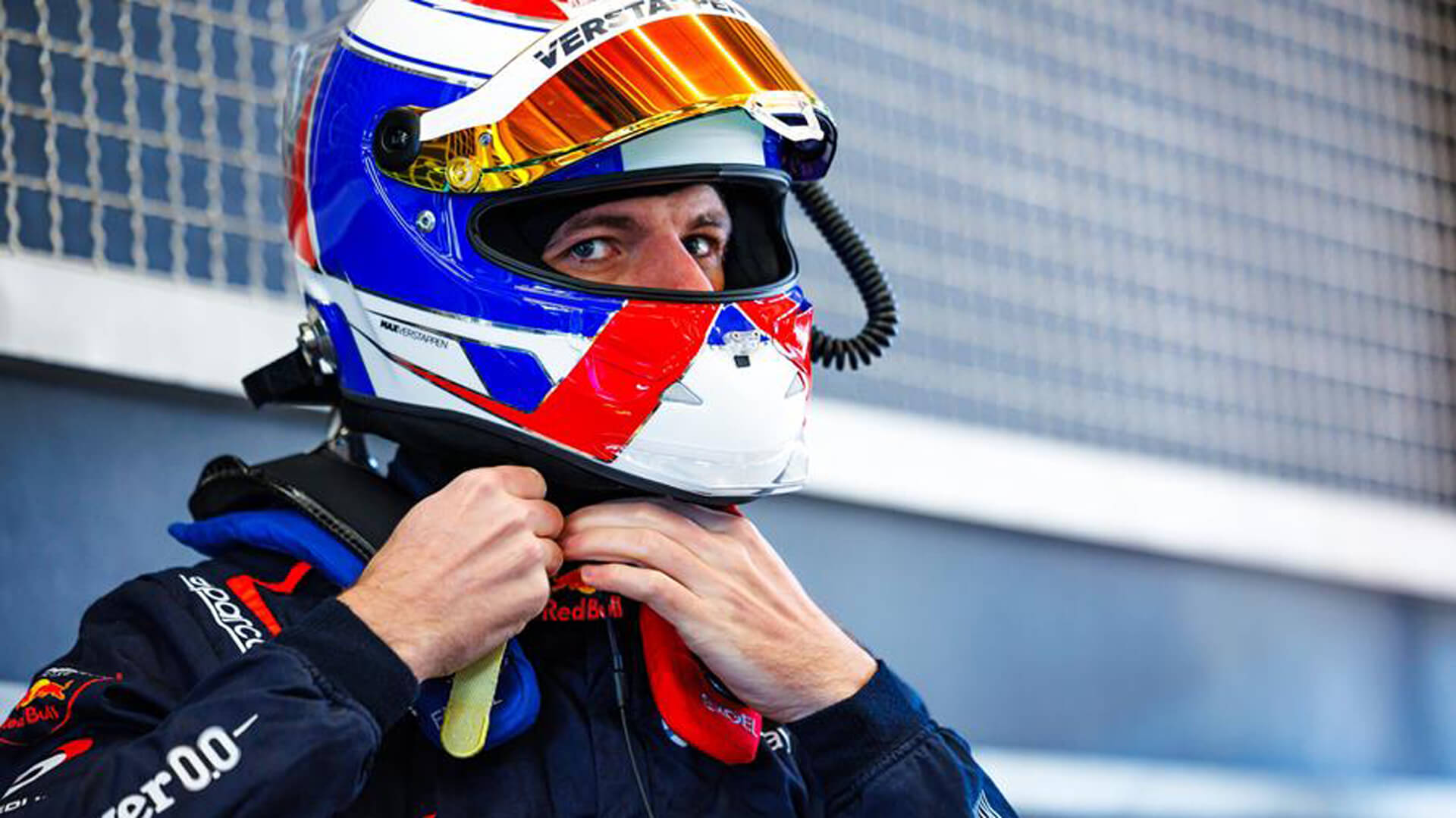
Ford is preparing to make its highly anticipated Hypercar debut in the World Endurance Championship (WEC) next year and the American manufacturer’s racing boss has his sights set on Max Verstappen for a future seat, Motorsport reports.
Ford recently returned to Formula 1 through a strategic partnership to develop power units for Red Bull Racing and its sister squad Racing Bulls. The brand is already competing in the WEC with customer Mustang entries in the LMGT3 category but will step up to the premier endurance class with a new LMDh prototype in 2027.
Given Verstappen’s well-documented passion for various motorsport disciplines, speculation has grown about a potential crossover. The four-time F1 world champion is already slated to compete in next week’s Nurburgring 24 Hours behind the wheel of a Mercedes-AMG GT3.
When asked if Ford had approached the Dutch driver about piloting their future LMDh machine, Ford Performance director Mark Rushbrook confirmed that talks have taken place.
Rushbrook praised Verstappen’s character, his dedication to GT3 racing and his efforts in supporting young drivers through simulator development. He confirmed that the two parties engage in regular conversations about potential sportscar opportunities including the Hypercar programme.
Logistical hurdles and F1 conflicts
While Verstappen is eager to compete, there are significant logistical hurdles to overcome. The Dutchman remains locked into his Red Bull F1 contract until the end of 2028. Rushbrook stressed that there are no immediate plans or announcements on the horizon. He noted that Verstappen desires an overall victory at Le Mans but the demanding F1 calendar typically creates unavoidable scheduling clashes.
Unmatched technical feedback
Should the stars align for Verstappen to test the Ford prototype later this year, Rushbrook believes his technical input would be invaluable. Reflecting on the driver’s performance during an F1 shakedown in Barcelona, the Ford boss highlighted Verstappen’s extraordinary ability to relay precise data to his engineers.
Rushbrook explained that the sheer detail of Verstappen’s radio feedback after long stints is often more valuable than the telemetry data itself. He concluded that having a driver with such mental capacity for car development, racing and tuning would be a massive asset to the endurance programme even if it was only for a single race.