Inside Ferrari’s Top Secret SF-26: The High-Temperature Engine Gamble

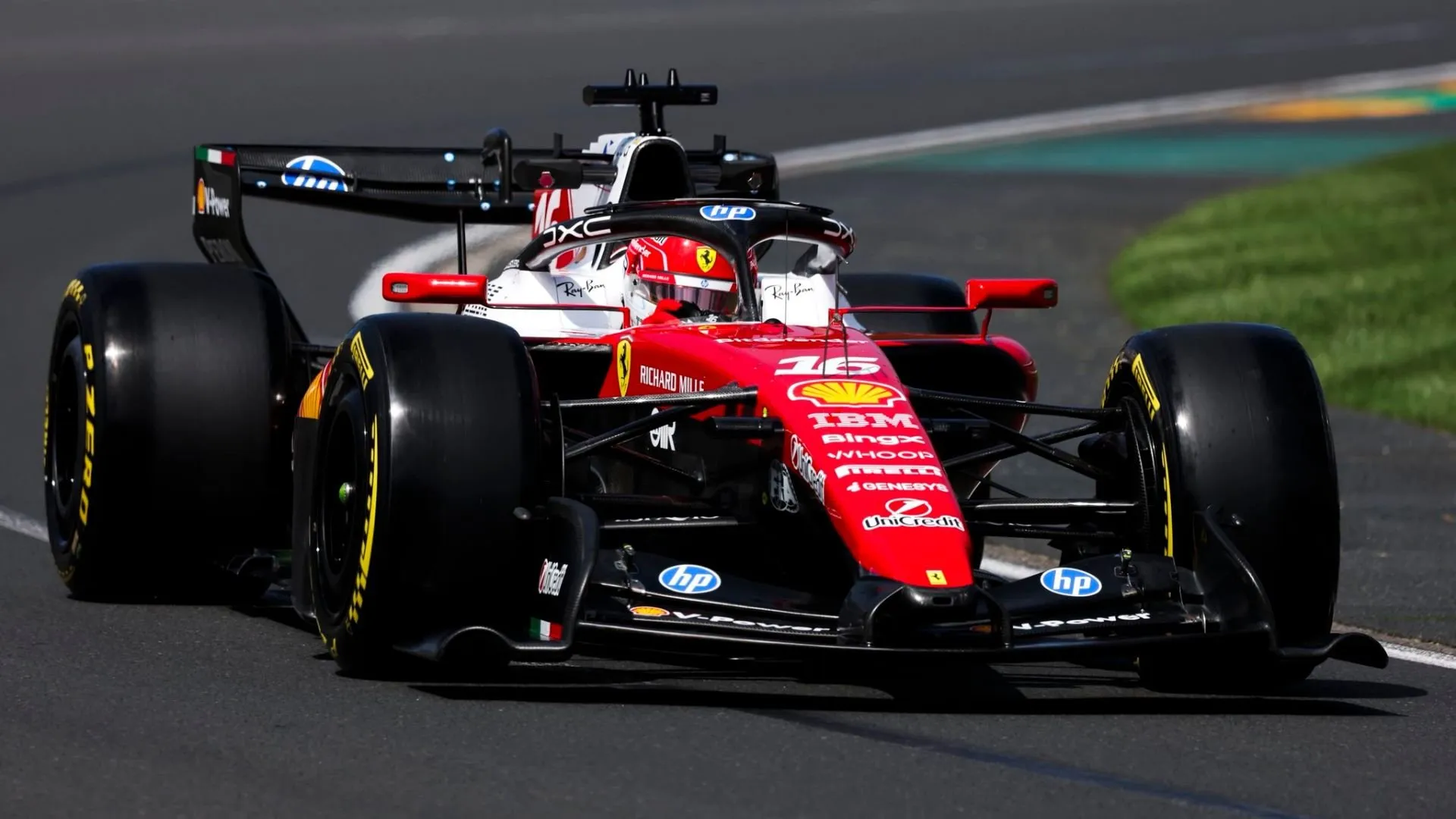
Ferrari team principal Frederic Vasseur has fully embraced the bold SF-26 project. Created as a strategic compromise between chassis technical director Loic Serra and engine chief Enrico Gualtieri the car features an incredibly unique power unit.
Unlike the rest of the grid the 067/6 V6 turbocharged engine features a steel cylinder head rather than the standard aluminium. This heavier but highly durable alloy is essential because the engine operates at off-the-charts temperatures.
The heat advantage
Traditionally Formula 1 engines perform best when intake air is cooled to around 70 to 80 degrees Celsius. However Ferrari has taken a revolutionary path by allowing intake temperatures to soar well beyond 100 degrees. While this unconventional approach explains the current top speed deficit compared to the benchmark Mercedes AMG M17 E Performance power unit it offers enormous aerodynamic opportunities.
By running the engine hot Ferrari can utilise significantly smaller radiators and a more compact heat exchanger. This reduction in cooling hardware allows engineers to sculpt aggressively sinuous sidepods and drastically reduce the car’s overall weight. Because the Scuderia builds both its chassis and engines entirely in Maranello, a synergy only matched by Red Bull, they can integrate these systems more tightly than rivals like Mercedes or Audi.
Exhaust blowing and the FTM
Engineers reportedly sacrificed 10 to 12 horsepower for this thermal strategy but the aerodynamic payback is substantial. The project also exploits the scorching exhaust gases to create a blown aerodynamic effect.
Utilising a clever interpretation of FIA regulations Ferrari introduced the Flick Tail Mode (FTM) in Miami. This system transforms an exhaust support into an aerodynamic profile that enhances extraction from the diffuser and improves rear wing efficiency. Although the restricted exhaust costs another five to seven horsepower the resulting aerodynamic advantage is estimated at half a second per lap.
Turbo troubles and Miami woes
The final piece of the puzzle is the small Garrett turbocharger. Measuring 10 millimetres less in diameter than the components used by Mercedes and Red Bull it excels at low-speed acceleration and battery recharging. Unfortunately it loses around seven horsepower at high revs.
This explains why the SF-26 struggles with top speed and «superclipping» at the end of long straights. These limitations were evident at the recent Miami Grand Prix. Following a safety car restart Charles Leclerc struggled to get his tyres into the correct temperature window. In his defence against Lando Norris he overworked the rubber and suffered severe overheating.
Future upgrades
To combat these issues Maranello is relying on the ADUO (Additional Development and Upgrade Opportunities) allowance to halve the engine deficit to Mercedes. Upgrades will likely maintain the hot combustion chamber concept and the small turbo diameter but introduce revised blade profiles to improve high-speed power delivery.
The rest of the performance must come from mechanical setup and aerodynamic refinements. However a looming threat remains: if the FIA decides to ban exhaust blowing for the 2027 season Ferrari may be forced to completely rethink its current design philosophy.