
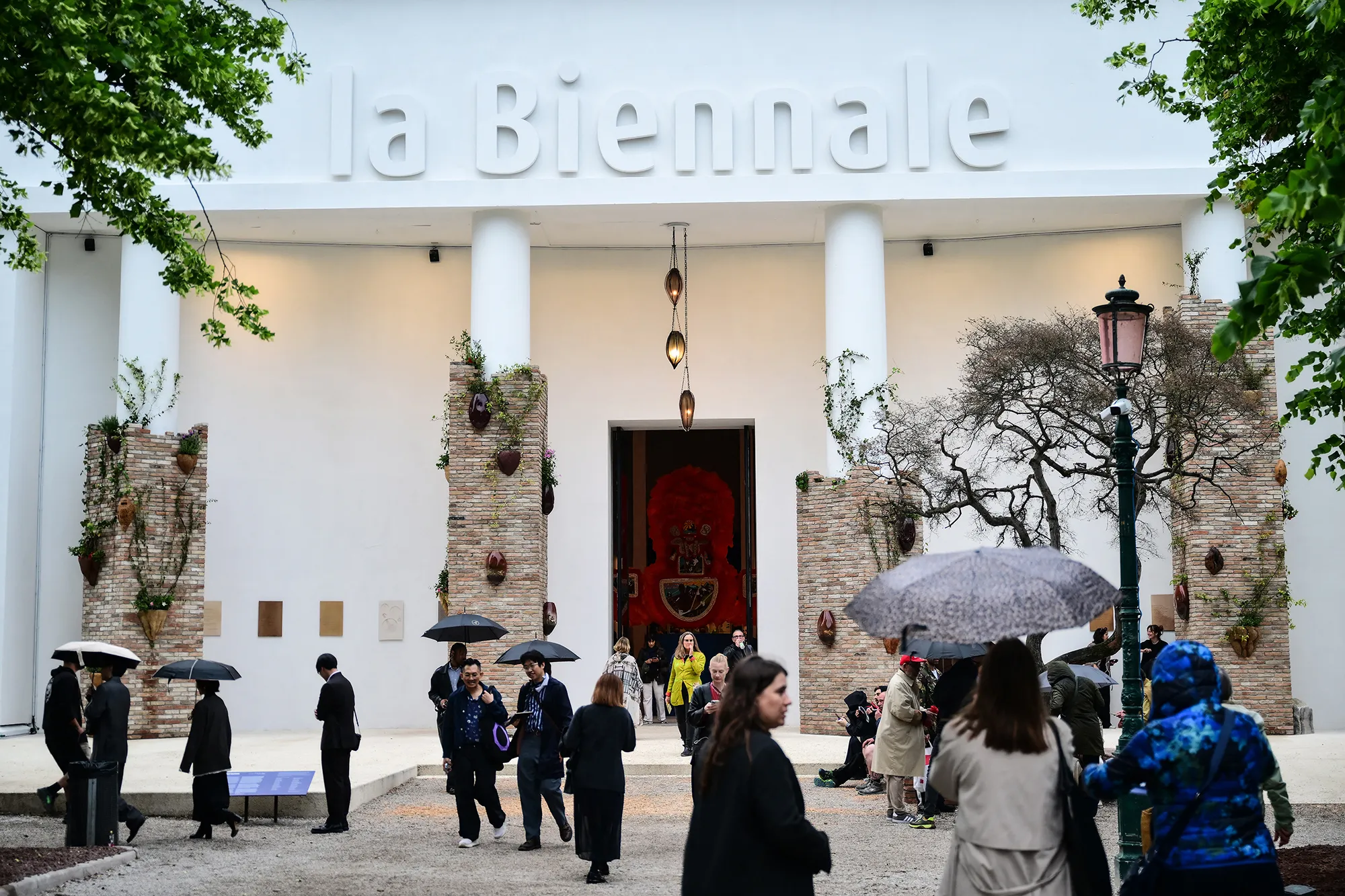
The 61st Venice Biennale has officially opened its doors to a record-breaking crowd of 10,000 visitors on its first day. Operating under the evocative theme «In Minor Keys», a posthumous vision by the late curator Koyo Kouoh, the world’s most prestigious art gathering has traded the frantic chaos of previous years for a more meditative and poetic atmosphere. However, as the initial reviews from The New York Times and global critics suggest, «meditative» does not mean «quiet».
From high-concept theatre to ecological warnings, these are the pavilions currently dominating the conversation in the Giardini and Arsenale.
Austria: The talk of the town
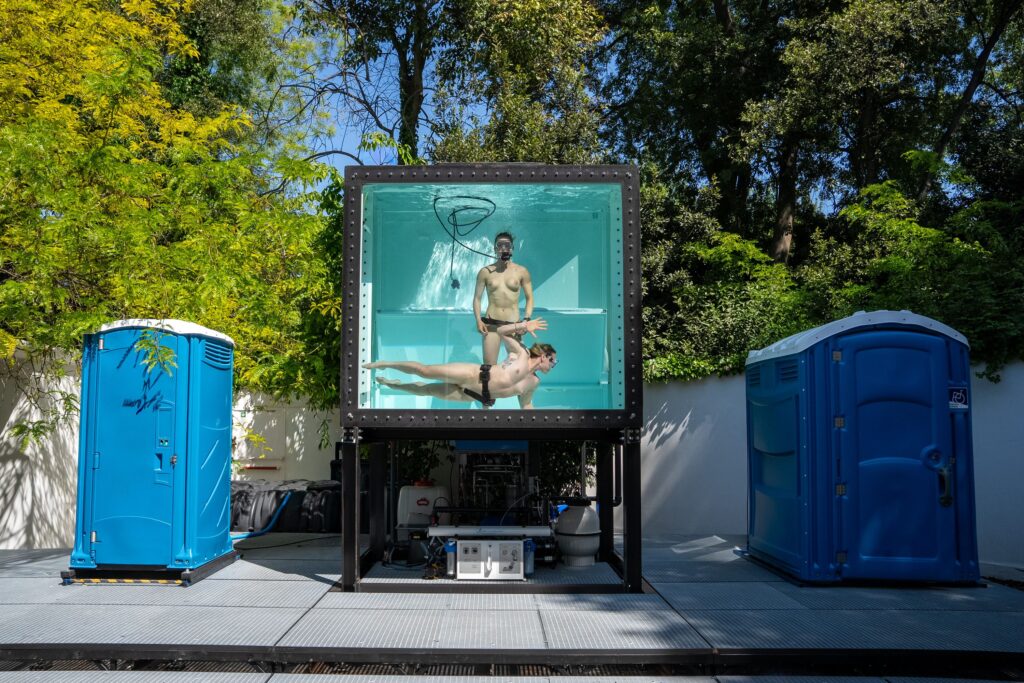
Undoubtedly the «biggest talker» of the 2026 edition is the Austrian pavilion. Created by choreographer and theatre-maker Florentina Holzinger, «Seaworld Venice» is a radical, gross-out spectacle that has left the art world «aflush».
The installation features a massive glass tank where naked performers, equipped with scuba mouthpieces, swim in a mixture of water and filtered urine. Visitors are invited to contribute to the work via on-site portable toilets that feed directly into the filtration system.
While the «scatological» nature of the work has sparked both mockery and fascination on social media, its message is urgent: it serves as a visceral warning about Venice’s rising sea levels and the global crisis of water waste.
Japan: A quiet crisis

In stark contrast to the splashing chaos of Austria, the Japanese pavilion offers a hauntingly silent commentary on one of the country’s most pressing issues: the declining birth rate. The exhibition invites visitors to interact with a series of life-like baby dolls scattered throughout the space, creating a surreal and somber atmosphere.

It has quickly become a must-see for those looking for art that tackles domestic social realities through a lens of profound empathy and strange, doll-filled solitude.
Uzbekistan: The resonance of the Aral Sea
Uzbekistan has returned to Venice with a sophisticated and deeply moving installation titled «The Aural Sea». Located in the Arsenale, the pavilion moves away from traditional documentary styles to present the Aral Sea disaster as a landscape of sound and collective memory.
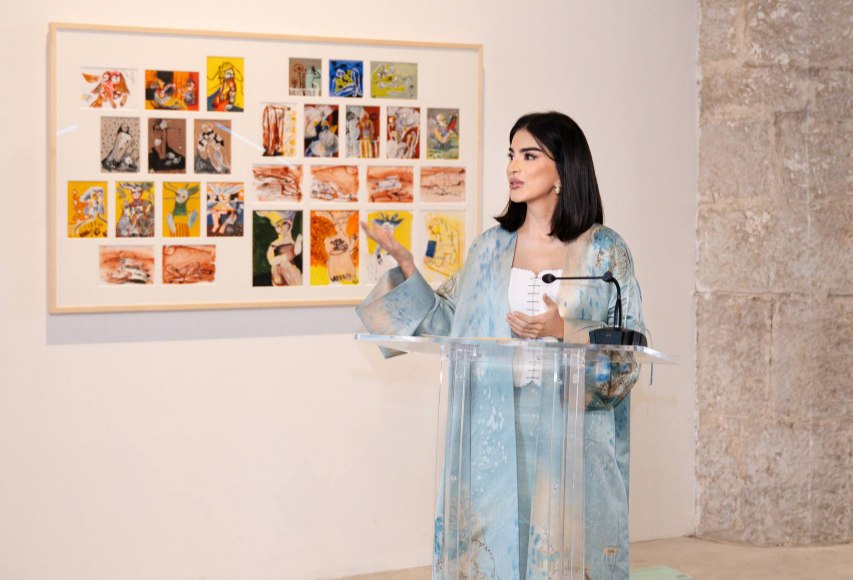


The exhibition explores the «void» left by the receding shoreline, turning a well-known ecological catastrophe into a space for myth-making and artistic reflection. The pavilion’s popularity is bolstered by a secondary solo exhibition by the legendary Uzbek conceptualist Vyacheslav Akhunov, «Instruments of the Mind», which is currently drawing crowds to the Palazzo Franchetti.
Politics and the «Invisible Pavilion“
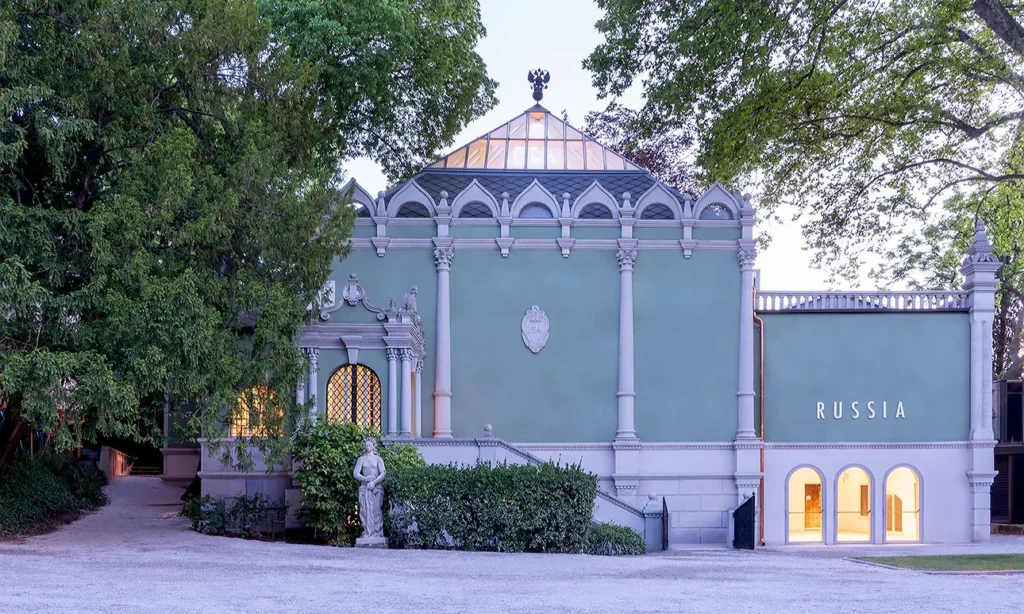
The 2026 Biennale is also marked by heavy political undercurrents. Near the Russian pavilion, which has faced intense protests from activist groups like Pussy Riot and Femen, visitors have flocked to a grassroots initiative known as the “Invisible Pavilion».
This unofficial space is dedicated to the memory of Ukrainian artists who have been killed during the ongoing conflict. By highlighting the work of those who can no longer create, the project has become a significant emotional anchor for visitors navigating the highly-charged political landscape of the Giardini.
General trends: Performance and participation
As the Biennale continues through to November, the trend is clear: tourists and collectors alike are gravitating toward works that involve live performance and audience participation. Whether it is scanning a QR code for a high-tech update or contributing to the portable toilet for the sake of climate activism, the 61st Venice Biennale is proving that the most successful art is that which demands we do more than just look, it asks us to listen to those «minor keys» of human experience.