
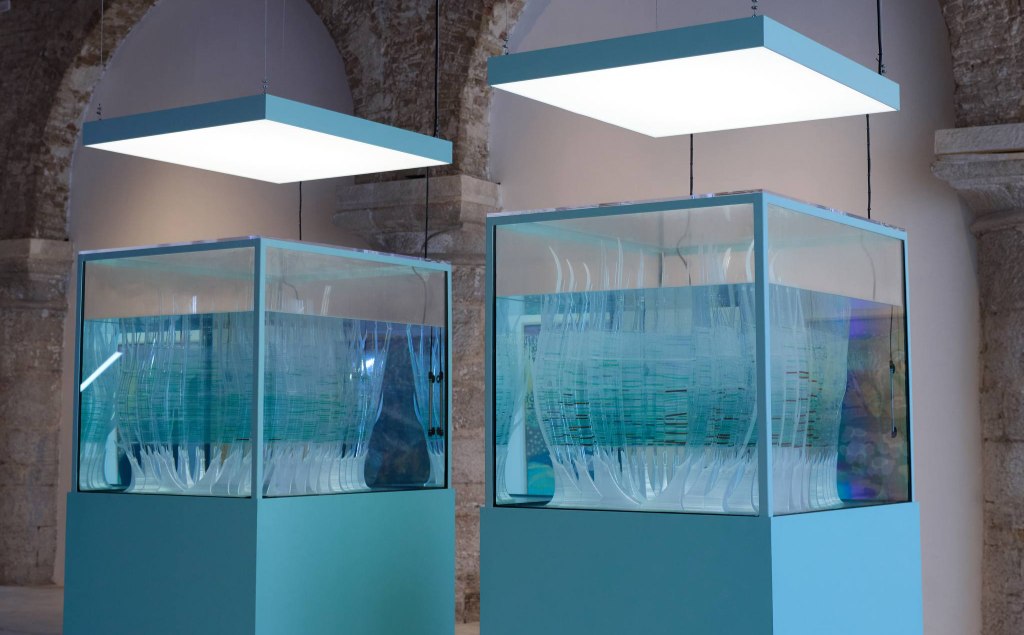
Uzbekistan has further solidified its standing on the global cultural stage with the unveiling of its national pavilion, «The Aural Sea», at the 61st Venice Biennale. This year’s contribution marks a sophisticated expansion of the country’s cultural diplomacy, weaving together themes of environmental history, collective memory and contemporary artistic vision.
The 2026 Biennale is curated under the evocative theme «In Minor Keys», a concept that encourages artists to investigate the subtle, overlooked and complex nuances of the modern world. Uzbekistan’s response to this theme focuses on the Aral Sea, reimagining it not merely as a site of ecological catastrophe but as a profound landscape of mythology and sound.
Ecological memory and the Aural experience
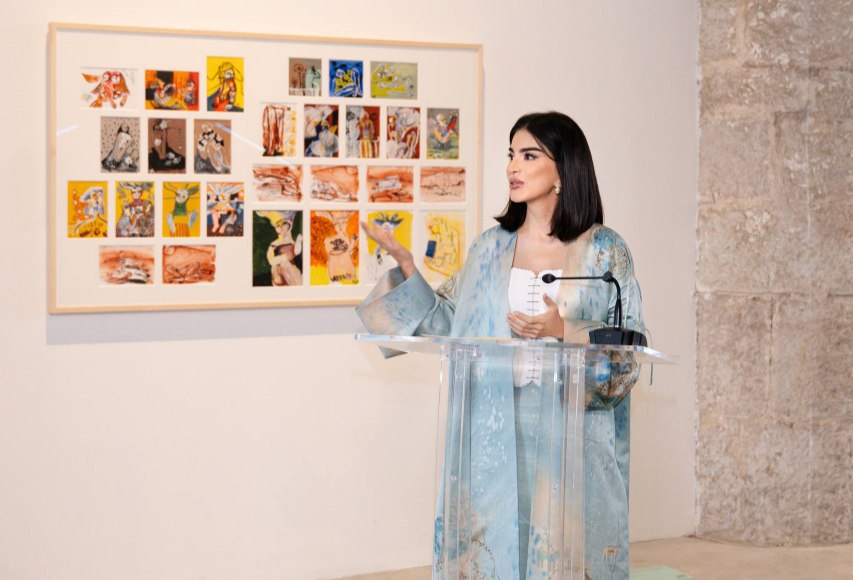
Saida Mirziyoyeva attended the official opening ceremony, highlighting the pavilion as a milestone for the nation’s creative industries. She noted that the exhibition has already generated significant interest from international critics and visitors, serving as a gateway for global audiences to engage with the wider Central Asian cultural narrative.
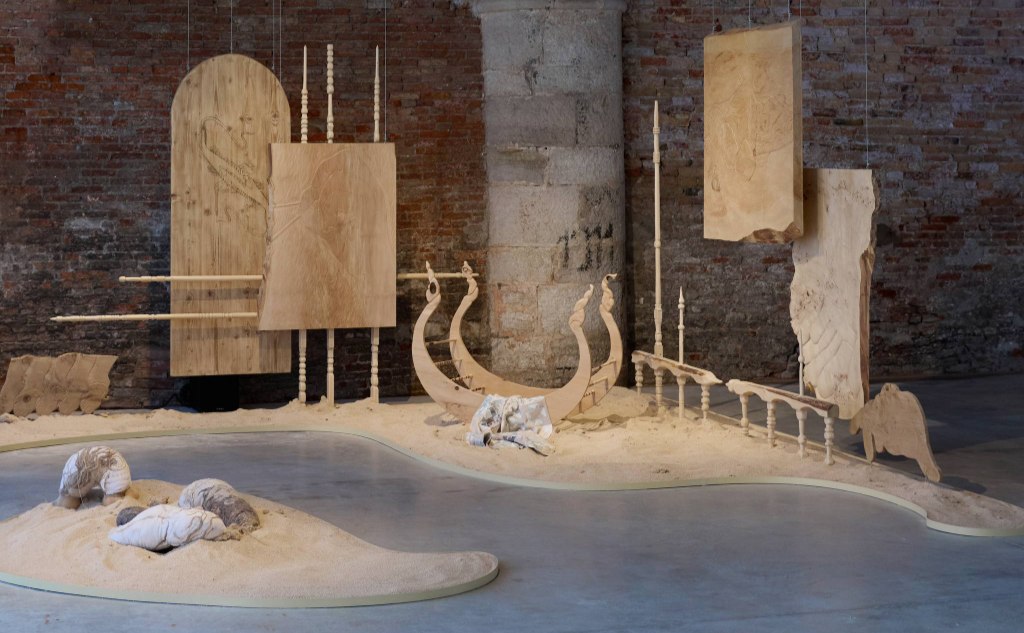
By naming the pavilion «The Aural Sea», the project invites visitors to «listen» to the history of a receding shoreline. It explores how the disappearance of the water has left behind a resonant void filled with the stories and identities of those who lived alongside it.
Celebrating a legend: Vyacheslav Akhunov
In addition to the national pavilion, the 2026 programme includes a significant solo exhibition by Vyacheslav Akhunov titled «Instruments of the Mind». Hosted at the historic Palazzo Franchetti, this retrospective honours one of the most influential figures in Central Asian conceptual art.
The exhibition features previously unreleased works dating back to the 1970s, a comprehensive look at five decades of Akhunov’s career and pieces that challenge traditional perspectives on power, philosophy and art.
Mirziyoyeva emphasised that Akhunov’s presence in Venice demonstrates the enduring power of Uzbek contemporary art to engage with international intellectual discourse.
Understanding the Venice Biennale: The «Olympics of Art»
For those unfamiliar with the magnitude of the event, the Venice Biennale is widely regarded as the most prestigious contemporary art exhibition in the world. Established in 1895, it has evolved into a massive cultural machine that transforms the city of Venice into a global hub for creative exchange every two years.
Much like the Olympic Games, participating countries host their own exhibitions. These are primarily located in the Giardini (a park established by Napoleon) and the Arsenale (a former shipyard and armoury).
The event is famous for its competitive edge, with the «Golden Lion» awarded to the best national pavilion and the best artist in the central exhibition.
The Biennale acts as a barometer for the art market and academic trends, attracting hundreds of thousands of curators, collectors and tourists from every corner of the globe.