“A Perfect Target”: Uzbek Survivor Testifies to Abuse While Jeffrey Epstein Was Under House Arrest

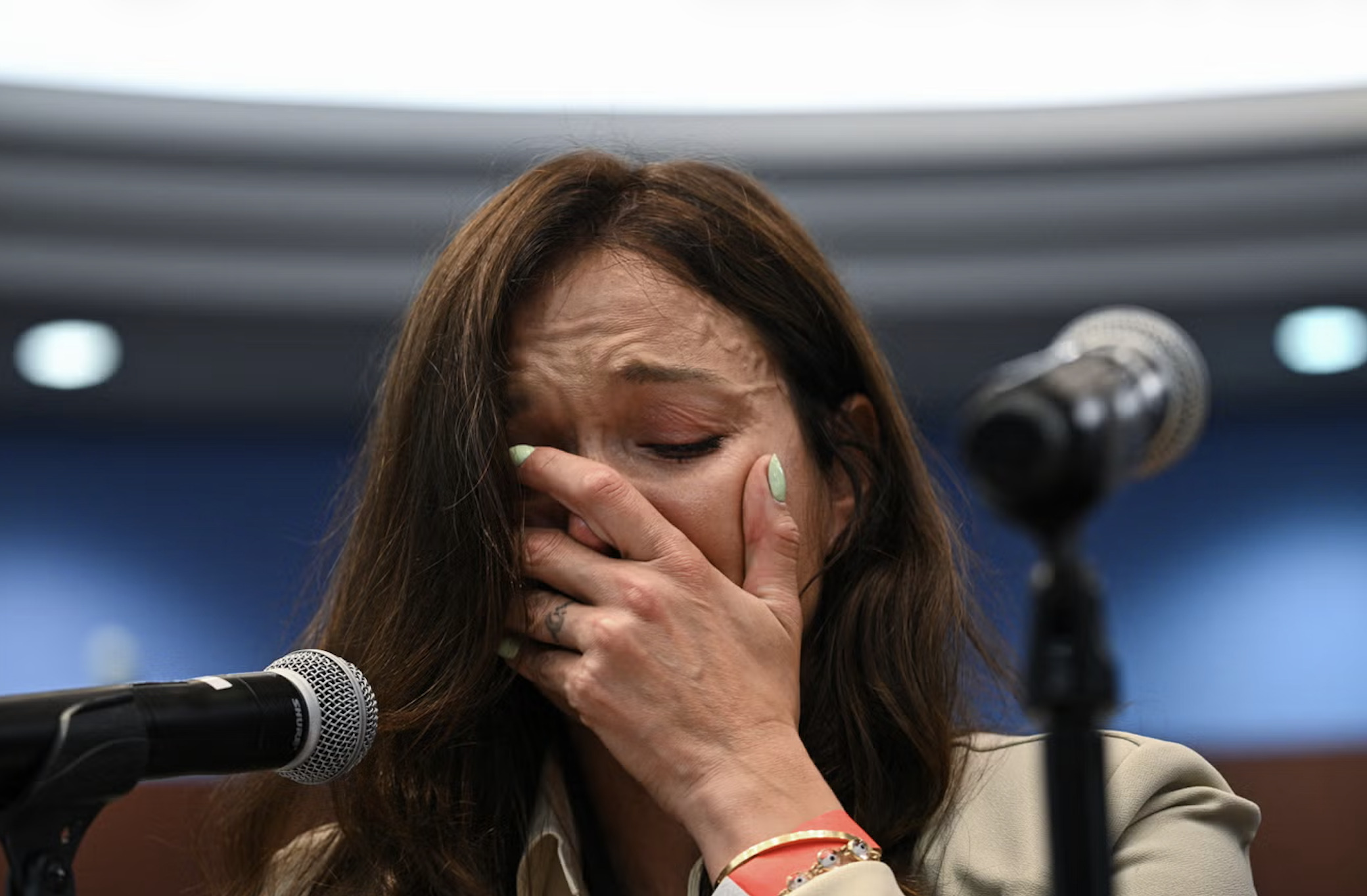
A woman who was trafficked from Uzbekistan as a vulnerable teenager delivered powerful public testimony detailing the horrific abuse she endured at the hands of Jeffrey Epstein. Speaking publicly for the first time, the survivor, identified only by her first name, Roza, revealed that the late sex offender repeatedly raped her whilst he was supposedly serving a sentence under house arrest, BBC reports.
Roza delivered her harrowing account alongside other victims during a special field hearing organised by House Democrats in West Palm Beach, Florida. The location was deliberately chosen by Democratic lawmaker Robert Garcia as the area where Epstein’s widespread crimes were initially exposed to the public.
Trafficked from Uzbekistan under false pretences
The hearing highlighted the international scope of Epstein’s trafficking network and the specific vulnerability of young women from developing nations. Roza explained that she was just 18 years old in 2008 when she was approached in Uzbekistan by the late Jean-Luc Brunel, a notorious modelling agent and close associate of Epstein.
Brunel lured the teenager with the promise of «a modelling career beyond my dreams». Looking back on the traumatic experience, Roza tearfully told lawmakers,
By May 2009, the young Uzbek woman had been moved to New York City on a visa. Just two months later, Brunel introduced her to Epstein at his sprawling West Palm Beach estate. Crucially, Epstein was under strict house arrest at the time following his 2008 conviction for soliciting prostitution from a minor.
Abuse under the guise of employment
Exploiting her precarious financial situation and vulnerable status as a young immigrant, Epstein offered Roza a position at his Florida Science Foundation. This was the same organisation that previously allowed him a highly controversial arrangement to leave custody for up to 16 hours a day.
The reality of the employment was far darker.
The fact that Epstein was able to perpetrate such abuse while supposedly serving a sentence «made justice feel impossible,» Roza explained. A recent report published by Democratic oversight committee members concluded that the heavily criticised 2008 plea deal negotiated by Epstein’s legal team directly enabled him to «continue his abuse and trafficking activities for almost another decade». Epstein later died in a New York prison cell in August 2019 while awaiting trial for federal sex trafficking charges.
Institutional failures and retraumatisation
Roza told the committee that she eventually found the immense courage to seek help but was subsequently subjected to further trauma by the very institutions meant to protect her.
She explained how she was retraumatised when the Department of Justice (DOJ) accidentally published her unredacted name in released Epstein files. She noted the bitter irony of her exposure «while the rich and powerful remained protected by redaction».
The DOJ has previously responded to these catastrophic errors by claiming they were the result of «technical or human error» and insisting they take victim protection seriously.
The unofficial hearing, held in close proximity to Donald Trump’s Mar-a-Lago residence, was convened by Democrats from the U.S. House Oversight Committee to ensure the Epstein case remains under intense public scrutiny.
Fellow survivor Maria Farmer also provided evidence via a recorded message, castigating law enforcement for ignoring her initial reports of abuse dating back to 1996 and demanding that «the government needs to start telling the truth.»