Boeing Stock Slides as China’s 200-Jet Order Misses Wall Street Expectations

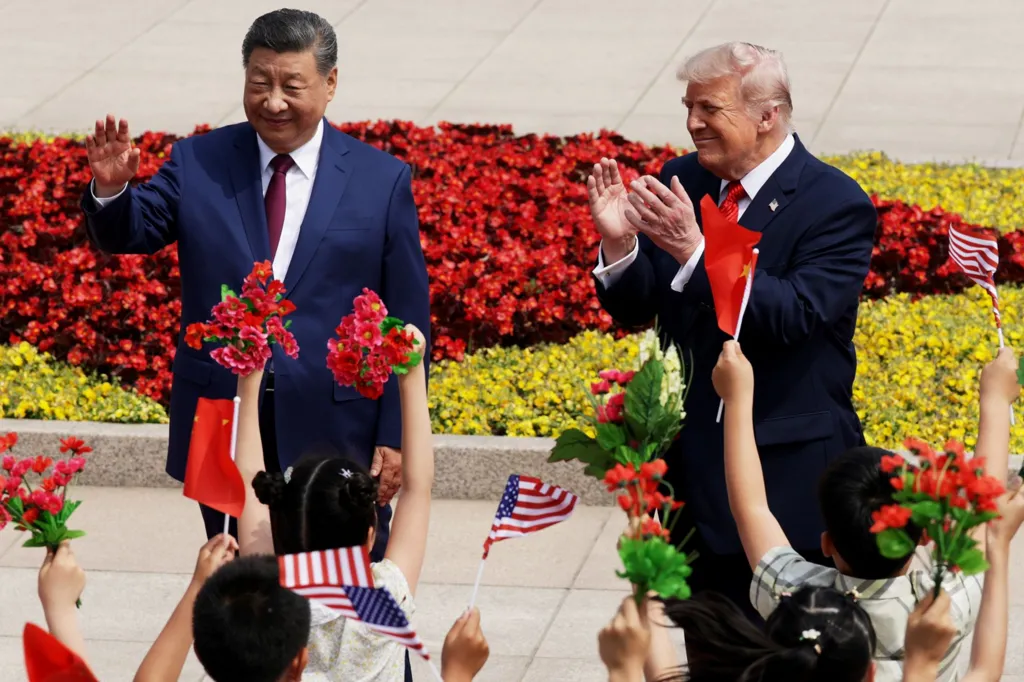
U.S. President Donald Trump has revealed that China has agreed to purchase 200 Boeing aircraft following diplomatic talks. However, the American planemaker saw its shares drop as the final figure fell significantly short of market expectations, Reuters reports.
Speaking to the Fox News Channel on Thursday, Trump confirmed the agreement following his highly anticipated summit with Chinese leader Xi Jinping.
Despite the announcement, Boeing’s stock dropped by 4.1% during Thursday’s trading session. Financial analysts had previously anticipated a much larger package. Sources familiar with the negotiations had indicated that a deal for roughly 500 Boeing 737 MAX aircraft alongside potential follow-on orders for premium widebody jets was under discussion prior to the summit.
Specific details regarding the exact models and delivery timelines remain undisclosed. The White House has not yet commented on Wall Street’s negative reaction to the news.
Trade relations and fierce rivalry
The aircraft order was widely expected to be a cornerstone of the business agreements emerging from the summit. The meeting also saw the extension of a fragile trade truce which previously involved Trump suspending significant tariffs on Chinese imports while Xi ceased restricting global supplies of crucial rare earth materials.
China remains the world’s second-largest aviation market and a fierce battleground for both Boeing and its European rival Airbus. During the 2010s, Airbus managed to overtake Boeing to secure a majority market share and even established an A320 assembly facility in Tianjin.
Industry experts note that Beijing must source aircraft from both manufacturers to satisfy surging travel demands. Current market projections from both Airbus and Boeing suggest China needs up to 1,000 new planes immediately and will require a total of 9,000 jetliners by 2045.
The politics of aviation
The last substantial Boeing order from China occurred during Trump’s state visit to Beijing in November 2017 when an agreement for 300 jets was reached. Subsequent diplomatic tensions heavily impacted sales, with Boeing receiving a mere 51 orders, primarily for freight aircraft, in the intervening years.
Analysts frequently point out that the Chinese government uses major aviation orders to signal the prevailing political climate rather than purely reflecting commercial realities. Matt Akers, an aerospace investment analyst at BNP Paribas, explained that aircraft purchases by Chinese carriers require central government approval and are often tethered to diplomatic missions.
Boeing chief executive Kelly Ortberg and GE Aerospace boss Larry Culp were among the prominent American business leaders who travelled with Trump to China in an effort to secure lucrative deals and resolve ongoing disputes. Ortberg had stated last month that he was relying on the Trump administration to help finalise a major agreement with Beijing.
