Ebola Strain Prompts WHO to Declare Global Health Emergency in Central Africa

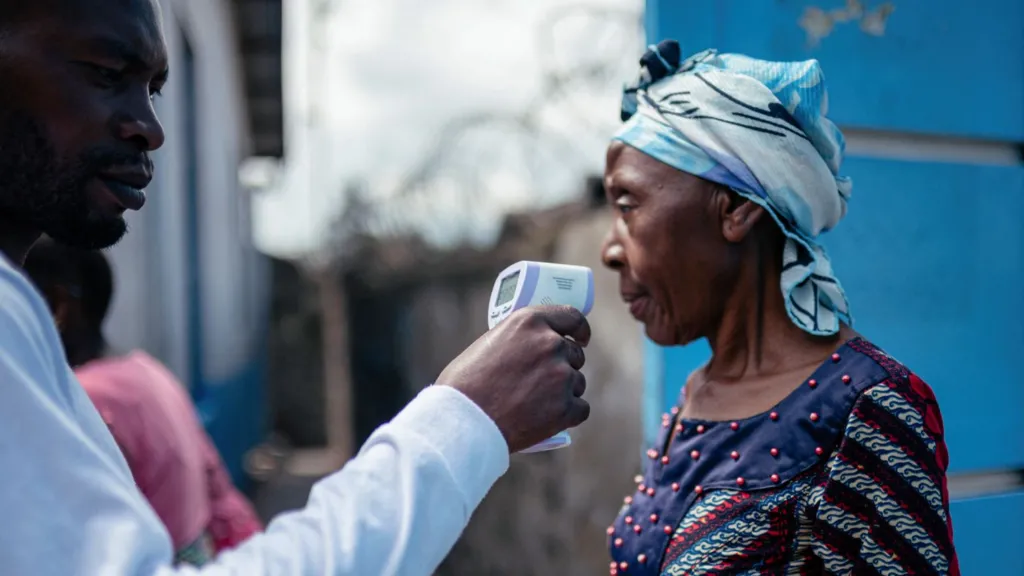
The World Health Organization (WHO) has triggered its highest level of alert in response to a surging Bundibugyo Ebola virus outbreak. In a statement issued on May 17, 2026 the WHO Director-General officially designated the escalating situation across the Democratic Republic of the Congo (DRC) and Uganda as a public health emergency of international concern.
An unprecedented and untreatable threat
This particular strain of Ebola presents a unique peril because medical professionals currently have no approved vaccines or targeted treatments to deploy against it. The epicentre of the crisis lies in the DRC’s Ituri Province where officials have tracked eight confirmed cases, 246 suspected infections and 80 potential deaths across health zones such as Bunia, Rwampara and Mongbwalu.
The virus has already demonstrated its ability to cross international borders. Two confirmed infections and one fatality were recently identified in the Ugandan capital of Kampala among travellers arriving from the DRC. Fortunately, a separate suspected case involving a passenger travelling from Ituri to Kinshasa returned a negative test result.
Hidden transmission and frontline dangers
Health officials are sounding the alarm over unexplained clusters of community fatalities and a worrying death toll among medical personnel. These infections within clinical settings point to severe shortcomings in standard safety protocols and raise the terrifying prospect of hospitals becoming amplification hubs for the disease.
Coupled with high testing positivity rates these factors heavily imply that the true scale of the epidemic is currently going undetected. Containing the virus is proving exceptionally difficult due to regional instability, transient populations and the densely packed urban nature of the newly affected regions.
Strategic containment without border closures
To stem the tide the WHO is demanding immediate and robust action from the impacted nations. Directives include launching top-level emergency operations, ramping up decentralised testing and embedding local community leaders into the heart of the response strategy.
Neighbouring countries are on high alert and have been instructed to bolster border screening for febrile travellers, establish rapid reaction teams and intensify their domestic disease surveillance.
Despite the escalating threat the WHO remains adamantly opposed to international travel or trade embargoes. Global health experts warn that sealing borders is a reactionary measure that merely drives people to use clandestine routes. This unmonitored movement makes tracking the virus almost impossible and severely cripples the logistical networks required to deliver vital medical supplies.