UN Hails Uzbekistan’s Green Development but Warns of Ongoing Pollution Risks

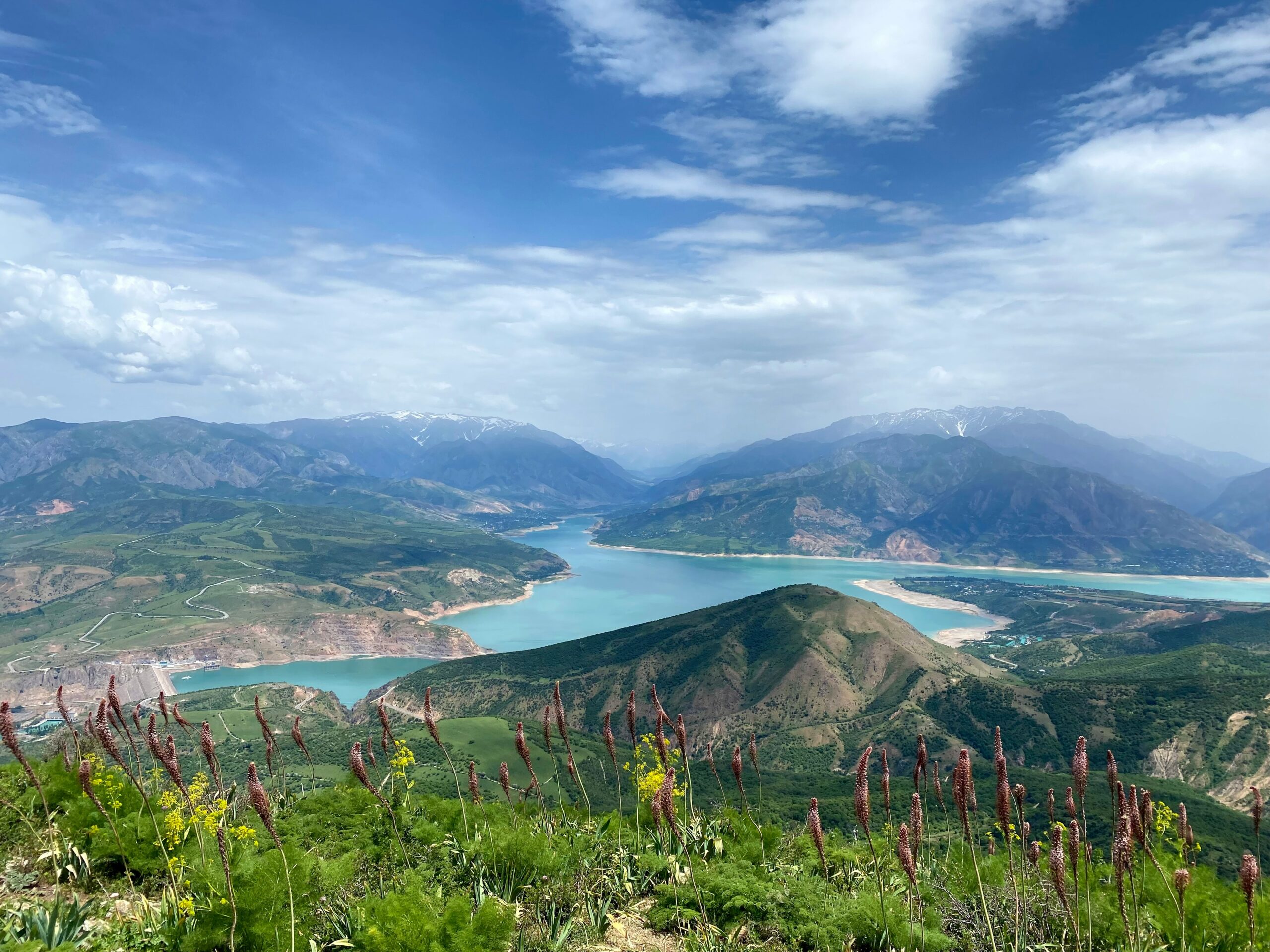
Uzbekistan has taken substantial strides in its transition towards sustainable development but still faces considerable hurdles in combating environmental pollution.
These findings were detailed by experts from the United Nations Economic Commission for Europe (UNECE) during the presentation of the Fourth Environmental Performance Review in Samarkand.
UNECE Executive Secretary Tatiana Molcean praised the nation’s efforts, noting that Uzbekistan has executed ambitious reforms and embraced innovative methods to foster green development, renewable energy and nature-based solutions.
Significant green milestones
The country has successfully actioned 77% of previous UNECE recommendations. A key environmental success includes atmospheric pollutant emissions dropping by 25% between 2018 and 2024, which was supported by the introduction of new legislation designed to limit greenhouse gases.
Additionally, national forest cover has grown to 8.7%. Massive ecosystem restoration efforts, particularly around the Aral Sea, saw over 600,000 hectares of trees planted in 2021 alone.
Clean energy sources now account for 15% to 18% of the country’s electricity generation. To support this growth the government has launched green bonds and adopted a comprehensive strategy for transitioning to a green economy by 2030.
Furthermore, in a major governance shift, the environment ministry was restructured in 2025 into an independent National Committee for Ecology and Climate Change reporting directly to the president.
Pressing environmental challenges
Despite these positive trends, international specialists warn that systemic issues remain a significant threat to the nation’s ecological stability. The economy continues to be heavily reliant on traditional energy. In 2023 natural gas met 80% of primary energy consumption, followed by oil at 10% and coal at 8%.
Waste management poses another severe problem. The recycling rate for municipal solid waste sat at a dismal 5.2% in 2024 and the vast majority of the country’s 200 registered landfill sites fail to meet modern environmental standards.
Inefficient irrigation systems also continue to exacerbate a national water deficit. Currently, only 48% of monitored water bodies are deemed clean. Agricultural runoff is a major culprit and causes up to 90% of the pollution in the Syr Darya river basin.
On top of this Uzbekistan currently ranks 19th out of 138 nations for high concentrations of harmful PM2.5 particulate matter in the air. Without intervention, climate change could cost the economy up to 1% of its GDP by 2030.
Roadmap for future reform
To help navigate these ongoing challenges the UNECE partnered with experts from Germany, Italy, the UNDP and UNEP to formulate 45 targeted recommendations.
The proposed measures urge the government to draft comprehensive climate change legislation, develop a National Adaptation Plan, upgrade wastewater treatment facilities, integrate nature-based solutions into urban infrastructure and implement robust financial charges for environmental pollution.
Molcean concluded that these guidelines offer a practical roadmap to boost ecological efficiency, fight pollution, build climate resilience and ultimately improve public wellbeing across the country.