Opinion: Iran War Rekindles Debate Over NATO’s Global Role

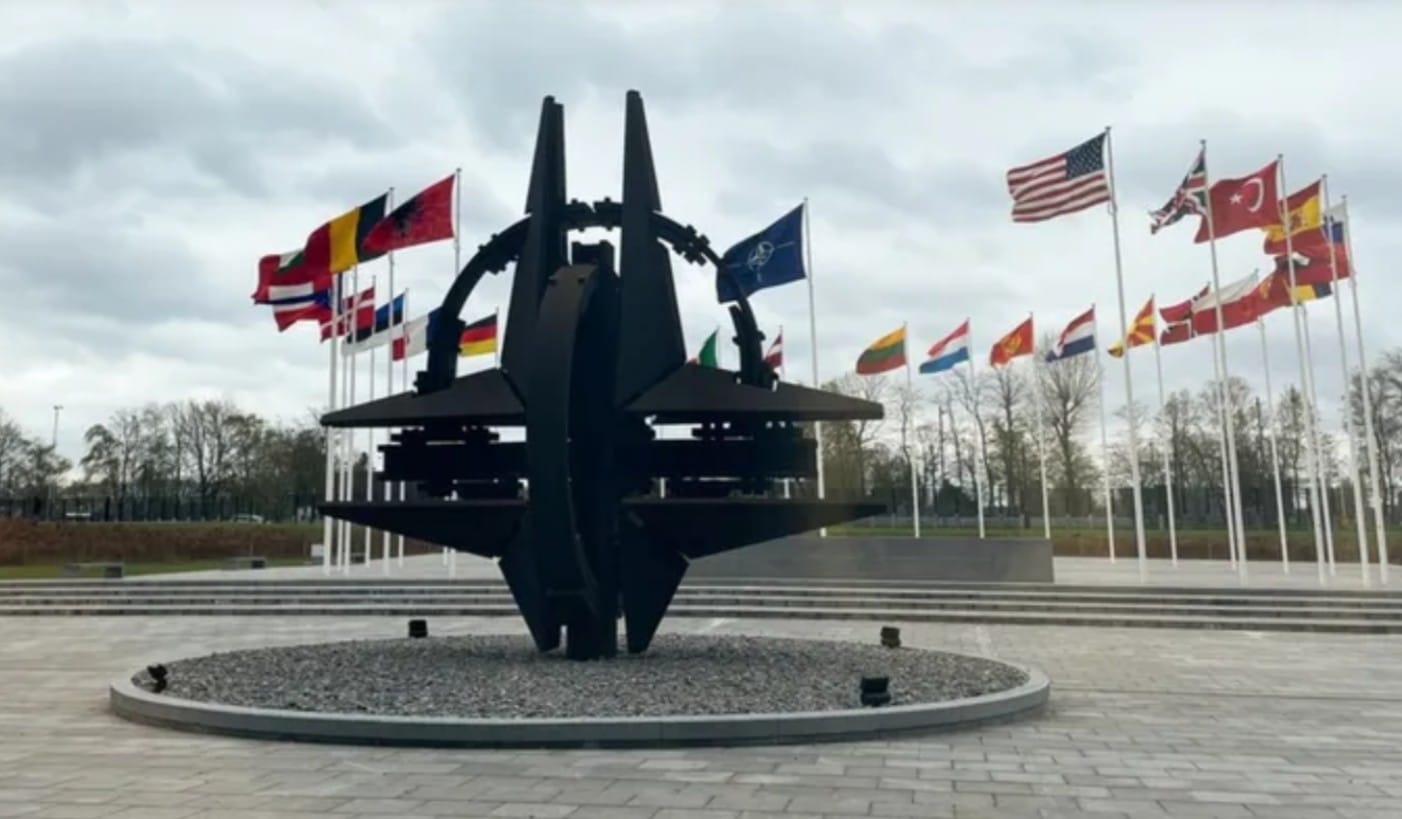
Photo: XINHUA
The recent conflict involving Iran has reignited debate over NATO’s purpose and strategic role beyond its traditional borders, with some analysts arguing that the alliance has increasingly become an instrument supporting broader Western geopolitical objectives rather than solely a collective defence organisation.
In a commentary published as part of an IOL BRICS series, the author argues that the Iran conflict demonstrated NATO’s political alignment with U.S. and Israeli security interests. The piece contends that several alliance members publicly backed Washington’s military actions, reinforcing perceptions among parts of the Global South that NATO increasingly acts as a geopolitical bloc rather than a purely defensive alliance.
The article also contrasts NATO’s position with that of BRICS, highlighting that the expanded grouping has sought to present itself as a champion of multipolarity, sovereignty and non-intervention. According to the commentary, differing reactions to the Iran conflict have deepened global divisions over international security and governance.
The analysis reflects the author’s perspective rather than an official BRICS position. NATO, for its part, maintains that it is a collective defence alliance and has continued to stress its commitment to protecting member states while responding to evolving security threats.