U.S. Government Subpoenas NYT Journalists Over Air Force One Leak
U.S. officials served legal orders to multiple New York Times staff members on Friday following published articles regarding alleged defensive flaws in the latest presidential aircraft.
Government operatives arrived directly at the private residences of the writers to hand over the paperwork. These court summonses require the individuals to appear at a federal grand jury hearing in Manhattan this Wednesday to discuss their confidential informants.
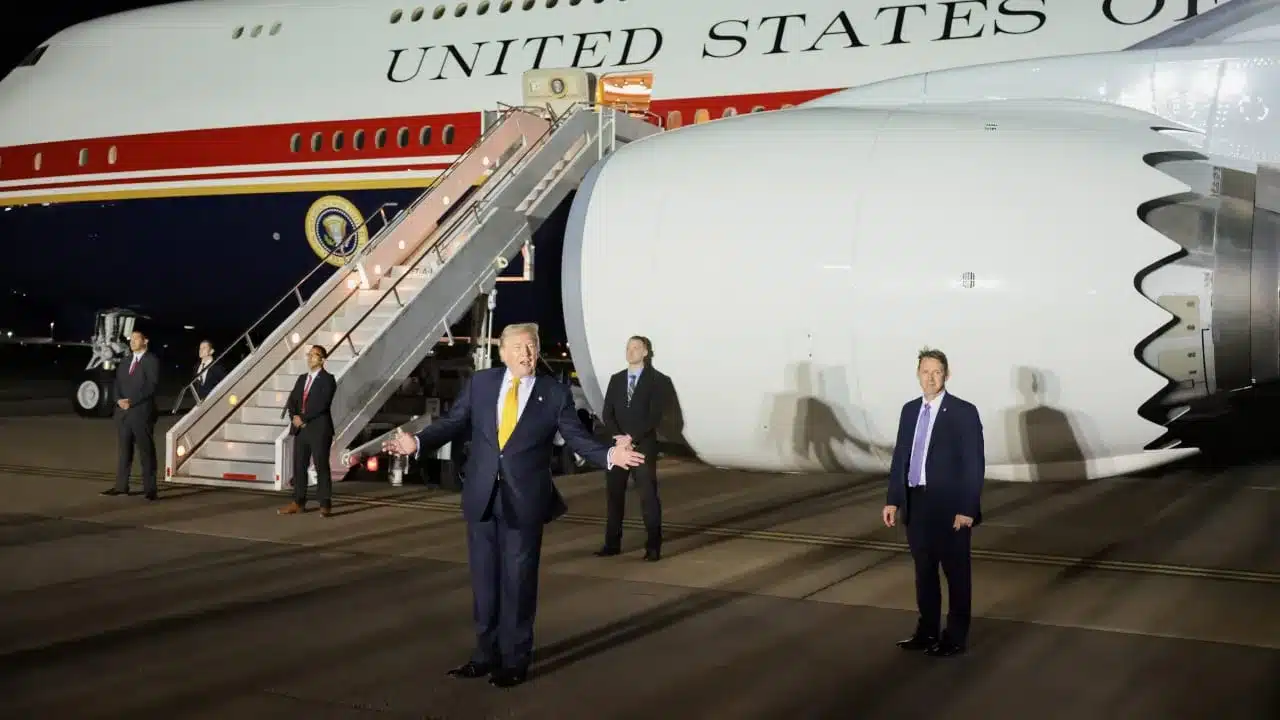
This aggressive judicial move stems from stories printed earlier in the week. The newspaper initially claimed that executive protection teams recommended a last-minute plane change over safety anxieties. A follow-up piece published Thursday stated the upgraded jet is missing crucial countermeasure technology present in legacy fleets such as anti-missile systems.
NYT legal counsel David McCraw strongly condemned the administration’s tactic.
Mid-flight logistics and global hostilities
The dispute highlights highly scrutinised transport decisions made during a recent diplomatic tour. After concluding a Turkish NATO conference the president flew aboard an older specification Boeing aircraft to a British military installation in Suffolk. Two separate presidential planes had been dispatched to the base. Upon arrival he transferred to the modernised jet before heading back to the U.S.
These complex travel arrangements unfolded alongside escalating Middle Eastern conflict. A temporary truce with Iranian forces recently shattered prompting American military strikes on regional targets while Tehran simultaneously launched offensives against a trio of Gulf Arab nations.
Neither the justice department nor the executive branch has released an official statement regarding the summonses. Officials have however vigorously denied the underlying journalism characterising the fleet upgrades.
The president publicly rejected assertions that Middle Eastern hostilities dictated his flight schedule. He argued the British layover was purely a public relations stop designed to let armed forces view the vehicle. When pressed by media members about specific overseas plots targeting his transport he downplayed the risk.
Executive branch spokesperson Steven Cheung likewise dismissed rumours concerning missing defensive hardware.