Hormuz Shipping Traffic Drops as US-Iran Strikes Escalate

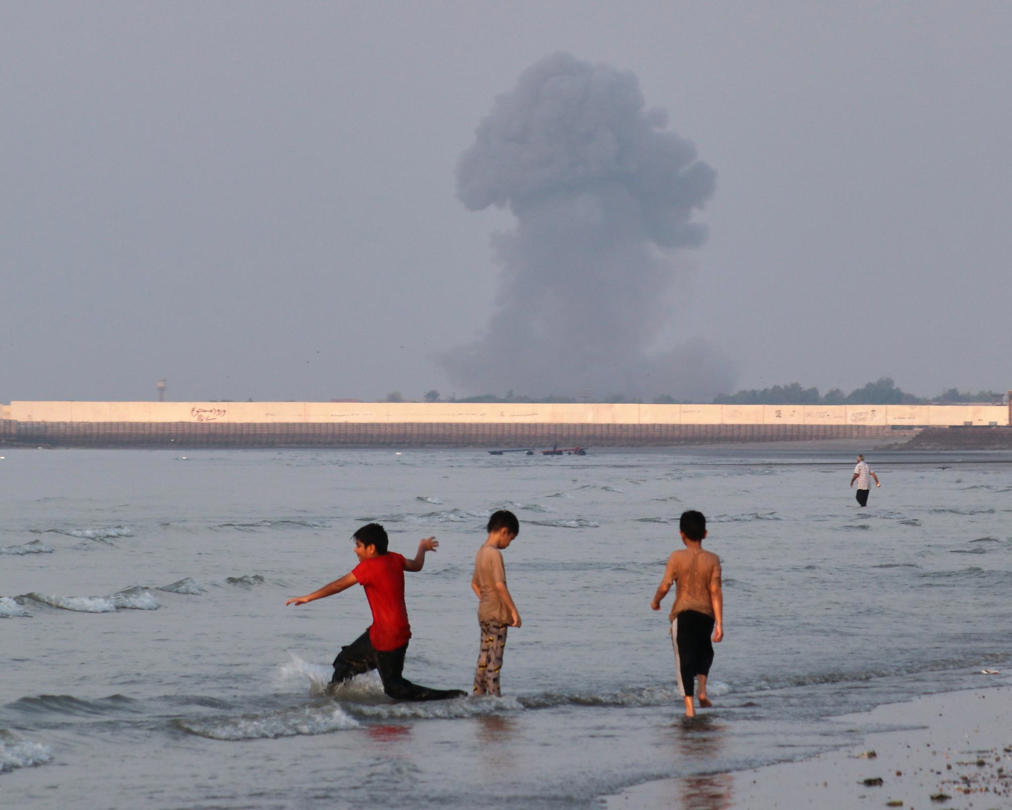
Commercial shipping through the Strait of Hormuz has fallen sharply after renewed military strikes between the United States and Iran heightened security concerns in one of the world’s most important energy corridors.
Shipping data showed tanker traffic dropped to its lowest level in weeks as operators delayed voyages or sought alternative routes amid fears of further attacks. Some vessels also switched off their automatic tracking systems while transiting the area to reduce security risks.
The latest disruption follows a new exchange of strikes between Washington and Tehran, with both sides accusing each other of threatening freedom of navigation. The Strait of Hormuz handles a significant share of global oil and liquefied natural gas exports, making any disruption a potential risk to global energy supplies and shipping markets.
Despite the decline in vessel traffic, international authorities continue to monitor the situation closely as tensions remain high and concerns grow over the impact on global trade and energy prices.