Lukashenko Addresses Uzbek Labour Migration Following Vitebsk Dispute

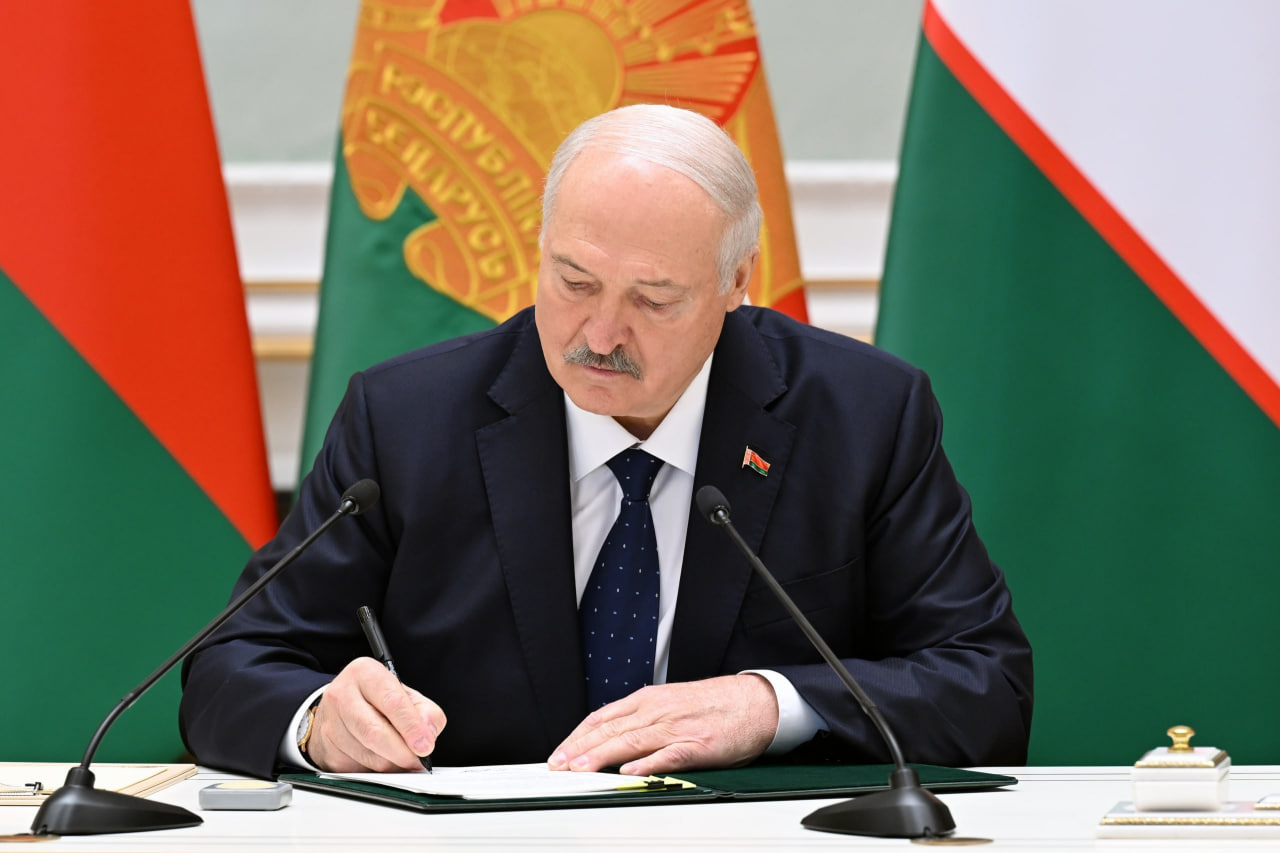
Belarusian President Alexander Lukashenko defended the targeted recruitment of foreign workers to combat regional staffing deficits, pushing back against public criticism surrounding the arrival of Uzbek labour migrants.
Addressing the political backlash, Lukashenko stated: «A whole storm has risen: they say they are taking Uzbeks. We do not need to, we will not take anyone—then we have to push and work. But I see that in the Vitebsk region and in every region there are problems. If there are not enough people, you select who is needed.»
He emphasised that municipal leaders must assess localised shortages and selectively hire individuals willing to integrate.
Differentiating between permanent settlement and temporary economic migration, he added:
«If you came only to earn money and nicely go home — that is a different situation.»
While foreign specialists engaged in joint agricultural and industrial projects receive comprehensive state provisions including accommodation, healthcare and schooling for children, transient workers seeking only quick capital face distinct expectations.
Agricultural partnerships and wage disputes
Lukashenko also highlighted bilateral negotiations with Tashkent concerning food security, noting: «The President of Uzbekistan asked not only for the employment of people, but also for supplies of meat and milk. I suggested: if your citizens come to work under our system, they will be able to produce agricultural products together with Belarusians, which will then be supplied to Uzbekistan.»
The presidential clarifications follow a mid-July labour dispute in the Vitebsk region involving 255 Uzbek nationals. Workers raised public grievances after discovering promised wages of $900 to $1,000 were reduced to approximately $500 alongside mandatory deductions for board and lodging.
Following subsequent negotiations, compensation was raised to roughly $700 with complimentary living expenses. Concurrently, Uzbek President Shavkat Mirziyoyev dismissed Ambassador Rahmatulla Nazarov in response to the diplomatic fallout.