
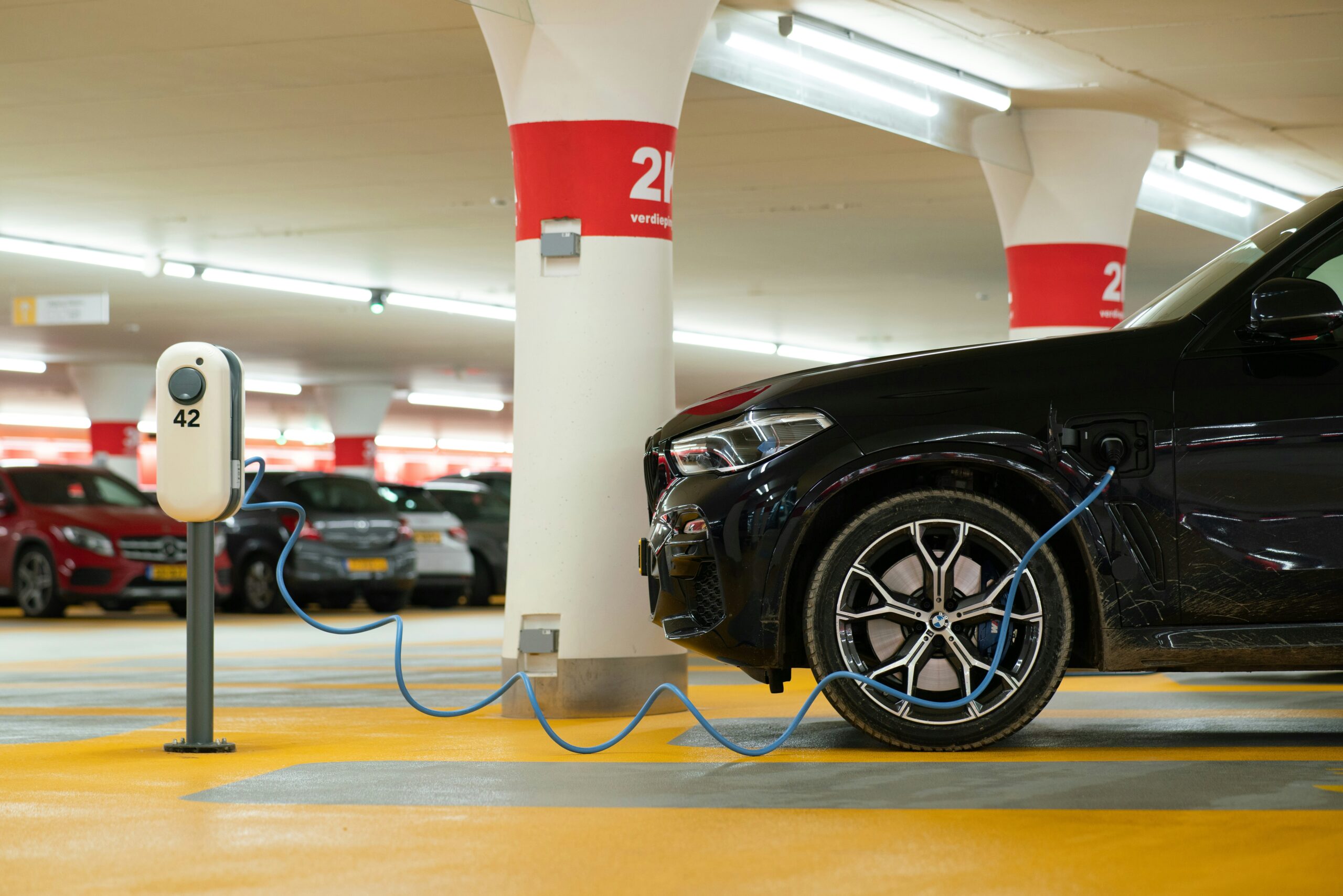
Chinese EV manufacturers are exporting battery-powered cars faster than overseas markets are absorbing them, according to the International Energy Agency (IEA). Over 1 million vehicles shipped over the past year and a half are yet to be registered for sale abroad.
The global automotive centre of gravity is shifting east, the IEA warned in a newly released report.
China’s domestic car market has weakened considerably this year, with total vehicle sales falling by more than 20% year-on-year in the first half of 2026. Electric vehicle sales also declined, though less sharply than conventional cars.
The agency highlighted that China’s EV exports increased by over 120% in the first half of 2026, marking a significant shift in global industry dynamics and signalling rapid export growth. According to the IEA, the export boom almost entirely compensated for falling domestic EV sales and helped limit the decline in China’s overall vehicle production to around 6% year-on-year.
Electric vehicles also accounted for a growing share of Chinese exports, rising from around 35% in 2025 to more than 45% during the first half of this year.
1 million EVs still unsold
The agency estimated that more than one million Chinese electric vehicles exported over the past 18 months have yet to appear in overseas sales registrations. While some vehicles remain in transit, the report said the widening gap between exports and registrations suggests inventories are building in destination markets.
The IEA said China’s expanding global presence reflects more than strong export growth. It argues that Chinese manufacturers now enjoy a structural cost advantage that competitors in Europe and North America will struggle to match quickly.
Cost factors
Producing a battery electric vehicle in China costs around 35% less than in advanced economies.
Battery packs account for roughly one-third of the direct production cost of an electric vehicle, making battery manufacturing a decisive competitive advantage. The IEA noted that battery prices in China were around 35% lower than in Europe in 2025 and about 30% lower than in North America, helped by large-scale production and advances in lower-cost lithium iron phosphate battery technology.
The report also highlighted China’s vertically integrated supply chain, stretching from mineral refining and battery production to vehicle assembly, as another factor reducing manufacturing costs.
Global rivals face growing pressure
The IEA warns that China’s cost advantage is reshaping global automotive competition, urging industry professionals and policymakers to adapt quickly to this evolving landscape.
It said incumbent manufacturers continue to dominate sales of internal combustion engine vehicles but account for only around 55% of global electric vehicle sales.
To narrow the competitiveness gap, governments and manufacturers outside China would need to focus on expanding battery production, improving manufacturing efficiency, strengthening domestic supply chains and supporting innovation, rather than relying solely on trade measures.
From economics and politics to business, technology and culture, Kursiv Uzbekistan brings you key news and in-depth analysis from Uzbekistan and around the world. To stay up to date and get the latest stories in real time, follow our Telegram channel.