Leaked Samsung codenames reveal Galaxy Z Fold 9 and new rollable device

Samsung’s recently announced foldable phones have barely reached store shelves, yet internal developments reveal the South Korean technology giant is already advancing its 2027 hardware portfolio.
According to Dutch publication GalaxyClub, a fresh leak of hardware codenames indicates the company is preparing up to five distinct flexible devices for release next year. The leaked identifiers, B9, H9, Q9A, Q9B and Z9, provide a detailed roadmap of Samsung’s future product strategy. While the majority of these internal monikers correspond to expected generational upgrades, the appearance of an entirely new category suggests a major shift in form factor design.
Expanding the core foldable range
The baseline lineup remains straightforward. Development under the B9 codename confirms Samsung will release a new Flip model in 2027, maintaining its popular clamshell design. Similarly, H9 represents the standard Galaxy Z Fold 9. The strategy becomes more intricate with the Q9 moniker, which developers have split into two separate tracks.
Current analysis suggests Q9A is the premium Galaxy Z Fold 9 Ultra, a direct successor to the high-end variant introduced in the current generation. Meanwhile, Q9B is believed to be a second-generation TriFold. Samsung introduced its original tri-fold smartphone as a limited release in South Korea last year, developing it as a variant of the Galaxy Z Fold 7.
Allocating a dedicated variant within the Q9 series implies the next TriFold could see a wider global consumer launch, moving beyond a niche regional exclusive. This aggressive expansion highlights Samsung’s intent to dominate the premium smartphone sector by offering multiple tiers of foldable technology to suit varied consumer demands.
Pioneering a radical new form factor
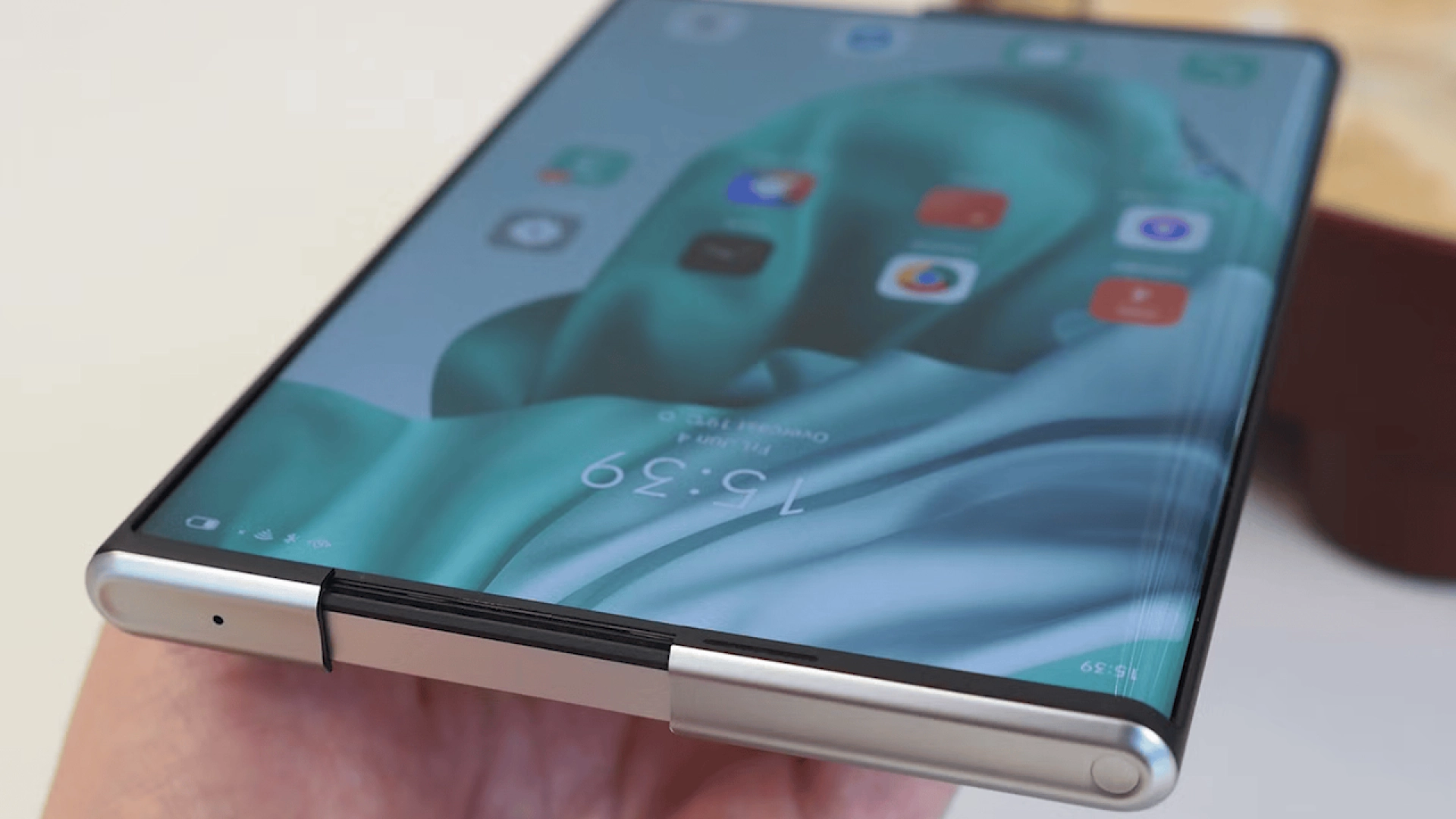
The most intriguing revelation from the leak is the fifth device, operating under the codename Z9. Unlike its foldable siblings, the Z9 features a hardware footprint more aligned with a tablet than a traditional handset. Industry watchers speculate this identifier belongs to Samsung’s highly anticipated rollable device. Rather than relying on a central hinge to close like a book, a rollable tablet would physically expand its screen area by extending a flexible OLED panel outwards from the main chassis.
Samsung Display has publicly explored this technology for several years, notably demonstrating the Rollable Flex OLED panel prototype at the SID 2023 exhibition. The Z9 project indicates the manufacturing division is now actively transitioning this concept from a controlled trade show prototype into a viable retail product. The ability to seamlessly morph a standard mobile device into a large-screen tablet without adding the bulk of a folding mechanism could redefine mobile productivity.
While the mainstream Galaxy Z Flip 9 and Fold 9 models are anticipated for a standard 2027 release window, the timeline for the experimental rollable remains uncertain. However, the presence of an active internal codename confirms Samsung is dedicating significant engineering resources toward bringing the sliding display concept to the consumer market.