
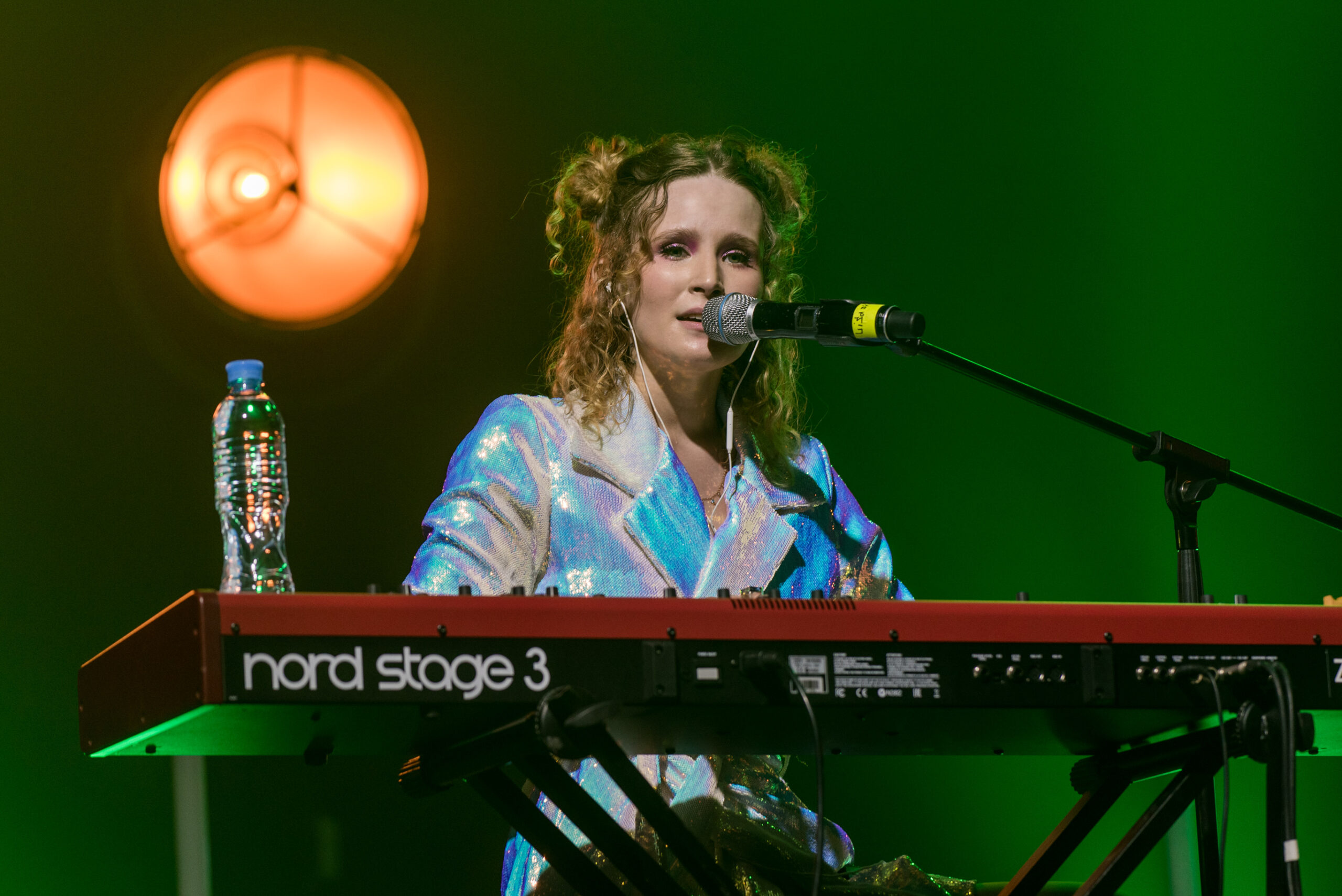
Russian singer Monetochka has defended her decision to release an artificial intelligence-generated music video after it sparked widespread criticism from fans, arguing that AI should be viewed as another artistic tool rather than a replacement for creativity.
The video accompanies Monopoly (Монополия), a track from her 2024 album Molitvy. Anekdoty. Tosty, which recently gained international attention after being featured in Marvel’s latest Spider-Man film. The inclusion marked a rare appearance of a contemporary Russian-language song in a major Hollywood blockbuster.
Released on YouTube shortly after the film’s premiere, the clip presents a stylised vision of Russia inspired by VHS-era music videos from the 1990s. AI-generated imagery depicts lavishly dressed characters dancing against backdrops including the Kremlin and Moscow traffic, blending nostalgic aesthetics with surreal visual effects.
Created with director Nina Guseva and AI artist Fyodor Maksimishin, the video relied extensively on generative AI technology.
Fans question use of AI
The project quickly divided Monetochka’s audience. Many viewers criticised the use of AI, arguing that it threatens employment opportunities for artists and designers while offering little that could not be achieved with conventional digital animation.
Others raised environmental concerns over the computing power required to train and operate AI models, while some questioned whether relying on generative technology undermines the creative process itself.
Not all reactions were negative. Supporters described AI as simply another medium available to artists and argued that producing the video’s distinctive visual style without machine-generated imagery would have been considerably more demanding. Rapper Slava KPSS also publicly backed the singer, calling the criticism excessive.
Facing the backlash, Monetochka briefly removed the video before restoring it.
Singer says message matters more than the medium
Speaking on TikTok, the singer explained that the exaggerated interpretation of the 1990s and early 2000s required a visual approach she believed AI could deliver most effectively. She also praised the AI artists involved in the project, rejecting suggestions that their work amounted to little more than typing prompts into software.
Monetochka argued that technological progress cannot be halted and said the value of art lies in the ideas expressed by its creator rather than the tools used to produce it.
She added that listeners ultimately judge music by whether they enjoy it, saying artistic methods should not be restricted to preserve existing creative workflows.
During one livestream, the album’s producer and her husband, Vitya Isaev, joined the discussion, arguing that the quality of an artwork has never depended on the amount of labour invested. He pointed to Marcel Duchamp’s famous Fountain as an example of how artistic significance can transcend traditional craftsmanship.
The singer also dismissed concerns that advances in AI could be used to imitate her own voice or likeness. She recalled that fans previously created an AI-generated cover of a song using her vocals, which she enjoyed enough to later record an official version herself. Monetochka said she sees such projects as examples of AI encouraging fans to participate creatively rather than diminishing artistic expression.