Halve Earth’s population by 2200 or lose the planet, academics suggest

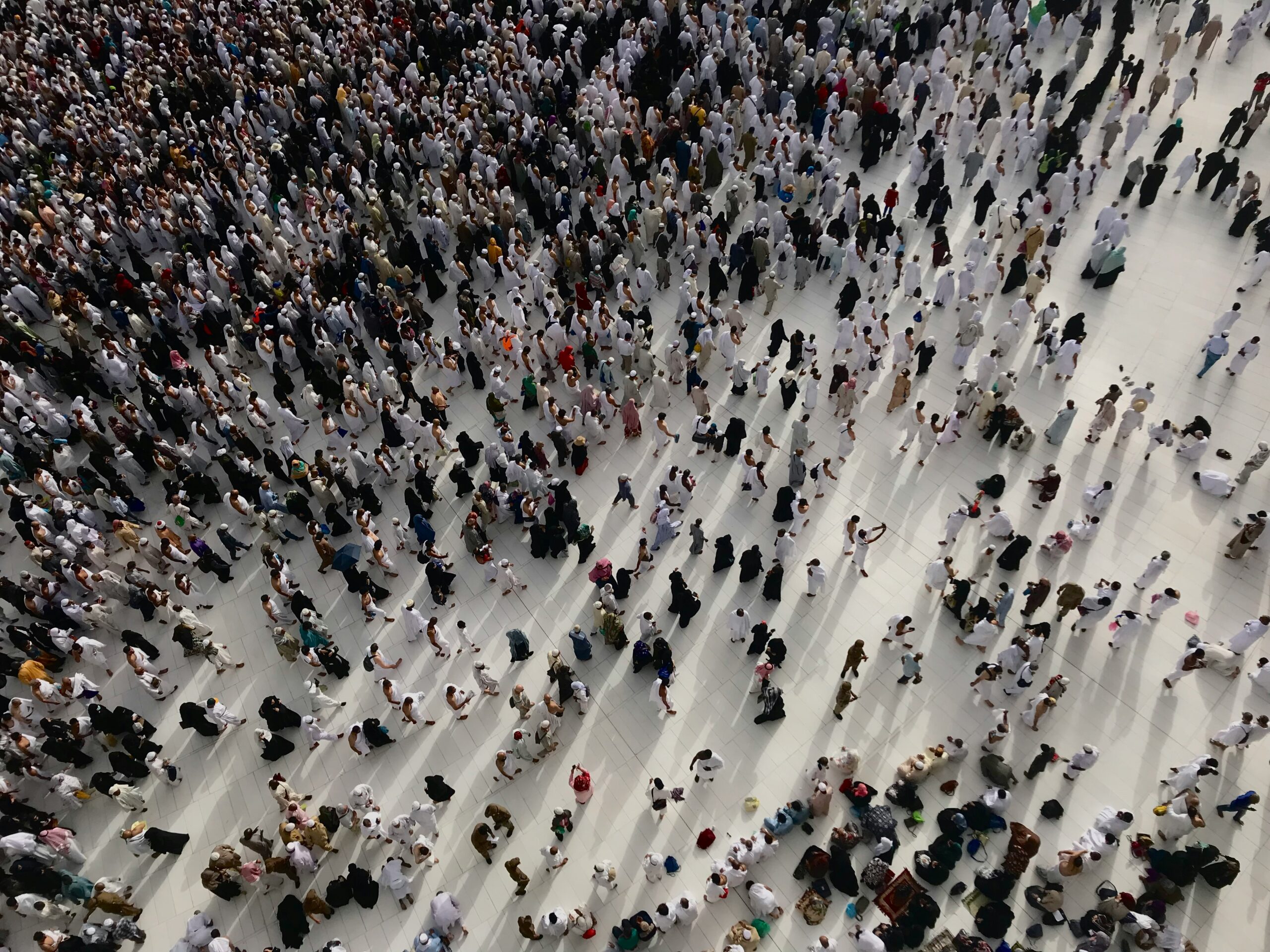
A coalition of international researchers, led by academics from Columbia University and Tsinghua University, floated an idea to gradually reduce the global population to four billion by 2200.
The researchers outlined their proposal in a recent paper published in the journal Sustainable Development. The paper argues that reversing the demographic growth of the past century is the most viable strategy to mitigate severe environmental degradation and systemic resource depletion.
Mark Keegan of Columbia University and Khaoula Houssini of Tsinghua University collaborated with a team of scholars to detail how a deliberately eased population trajectory could permanently restore ecological balance.
In the last 100 years, huge population growth and heavy industrial use have caused a chain reaction of environmental problems, they maintain. The study highlights strong correlations between population size and pollution, resource consumption and biodiversity loss.
The authors claim that current academic and political frameworks often obscure the root causes of these ongoing climate crises by ignoring demographic pressures entirely. By focusing strictly on technological fixes, policymakers miss the fundamental mathematics of human impact on the biosphere.
Easing demographic pressures
Slowing demographic momentum requires strategic long-term planning rather than immediate drastic interventions. The authors assert that easing global numbers to four bn, roughly half of the current total, over the next 175 years would provide critical breathing room for the planet. This extended timeline allows for natural attrition, voluntary family planning and declining birth rates to shape the outcome without requiring coercive governmental measures.
By moderating both individual per capita impact and overall headcount simultaneously, societies can begin to reverse the damage inflicted upon global ecosystems. The researchers describe specific causal mechanisms linking high population density directly to runaway greenhouse gas emissions and widespread habitat destruction.
They argue that gradually reducing the number of people on Earth will seamlessly translate to a decline in carbon output and significantly alleviate the overwhelming strain currently placed on agricultural systems.
Global benefits and poverty alleviation
Researchers say that the possible benefits of a population of four billion people go far beyond traditional environmental measures. A substantially smaller global population would lead to immense habitat recovery and help conserve vulnerable wild species currently pushed to the brink of extinction. Furthermore, reducing the relentless demand for finite resources would minimise geopolitical conflicts over freshwater, rare minerals and arable land.
This proposed demographic shift is also presented as a powerful mechanism for achieving true economic equity. A managed reduction in population density could help alleviate global poverty by ensuring abundant resources are available per capita rather than stretched thin across a crowded globe. The Columbia and Tsinghua scholars conclude that committing to this 2200 target represents a necessary paradigm shift for long-term human survival and global prosperity.