Ancient Roman “Venus” unearthed near Spanish beach

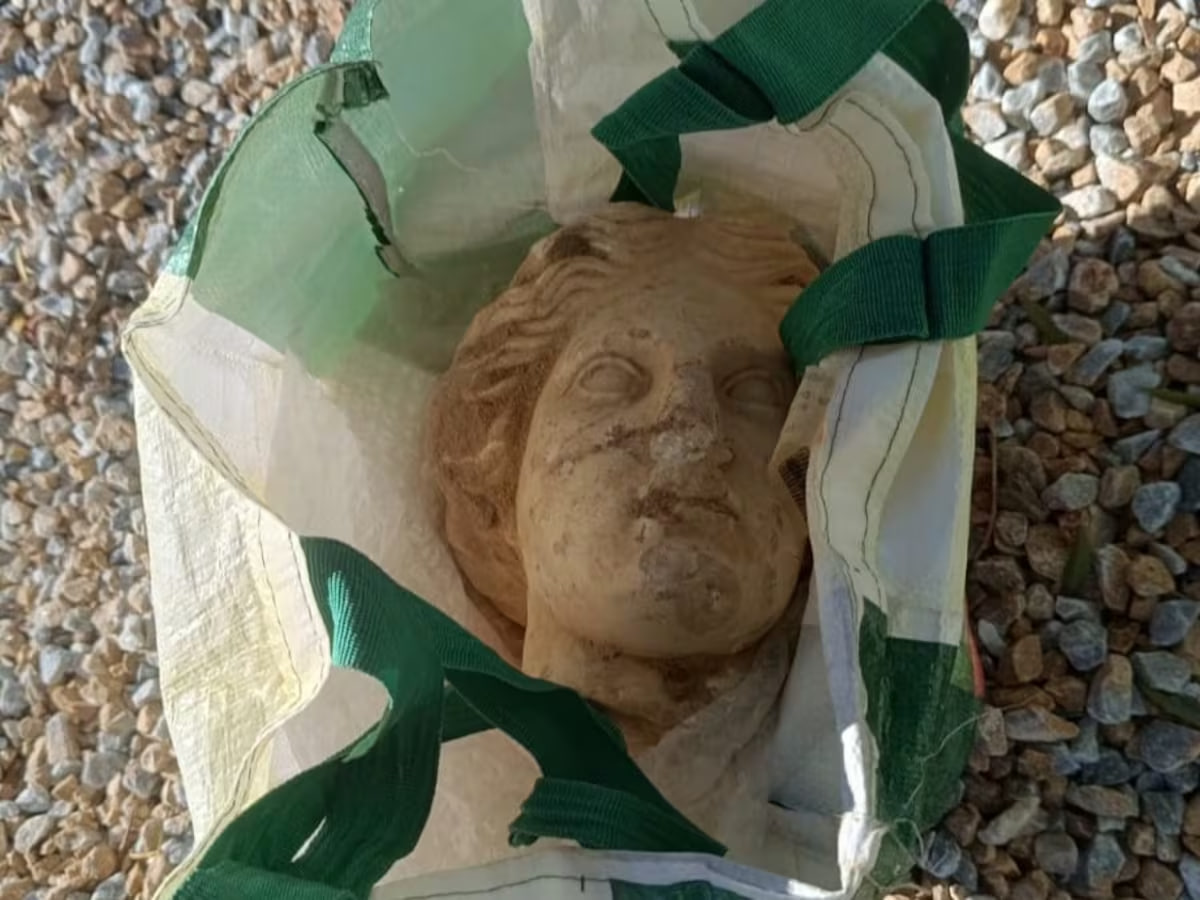
Workmen digging a trench near Almadraba beach in Alicante made an archaeological discovery in May: a 2,000-year-old marble head of a Roman goddess, believed to be Venus, EL Pais reports. The white marble carving emerged from the dirt amidst common debris, including stones and beer bottles.
The find occurred during a municipal project to lay pipes and regenerate the sandy area between Albufereta and Cabo de las Huertas. Recognising the artefact’s potential significance, the labourers halted work and alerted their superiors. The well-preserved head was initially safeguarded in a supermarket bag before authorities were notified.
Two weeks later, the Alicante city council formally announced the discovery. The sculpture, which they dubbed the «Venus of Alicante,» dates back to the first or second century AD, during the height of the Roman Empire. The city has begun adopting the artefact as a new civic symbol.
Assessing the archaeological value

Despite the chaotic initial handling of the find, experts have confirmed its authenticity. The head, currently stored at the Alicante Museum of Contemporary Art (MACA), weighs 14 kilogrammes and measures roughly 22 by 19 centimetres.
José Miguel Noguera, a professor of archaeology at the University of Murcia, is leading the analysis. According to José Manuel Pérez Burgos, Alicante’s head of cultural heritage, the piece represents a woman, most likely the goddess of love, beauty and fertility. He noted that the intricate hairstyle, featuring a bun at the back, is typical of Venus iconography from that era, pointing to similar discoveries in Tarragona, Seville and Cartagena.
Experts believe the head belonged to a life-size statue rather than a bust. The use of high-quality marble, likely imported from Greek quarries or Carrara in Italy, suggests it belonged to a wealthy individual.
Pérez Burgos added that the neck shows an ancient patina, indicating the decapitation was not a recent event.
The trench was located near the Almadraba archaeological site, thought to be a Roman maritime villa. This area is close to the remains of Lucentum, the Roman precursor to modern-day Alicante. The leading theory suggests the statue once adorned a grand residence within the Lucentum territory.
While the exact final home for the Venus remains undecided by the regional heritage directorate, the city plans to display it to the public later this year and commission replicas.
