El Niño set to push almost 50mn into acute food crisis by 2027

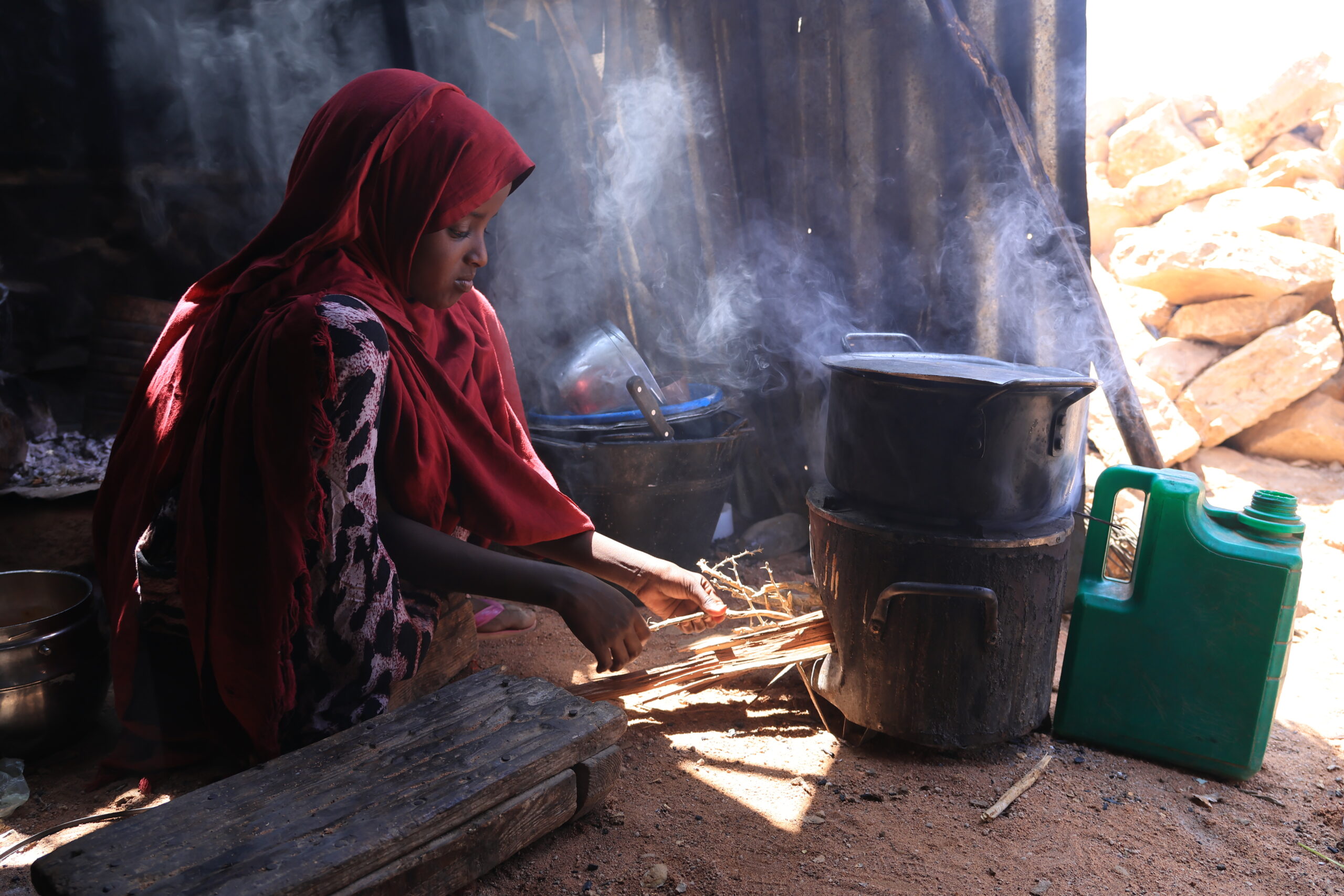
An intensifying El Niño climate pattern is forecast to drive an additional 49mn people into severe food insecurity by the end of 2027.
According to an analysis of 45 at-risk nations by the UN World Food Programme (WFP), the number of individuals unable to secure their daily meals will surge by 22%, climbing from 225mn to 274mn.
Although the weather phenomenon is projected to peak between September and December 2026, its damaging effects on agriculture will ripple throughout the following year. Carl Skau, WFP acting executive director, warned the climate pattern poses a massive threat to populations already on the frontlines of hunger.
Vulnerable regions at risk
The impending crisis will severely impact areas already struggling with conflict, economic turmoil and extreme weather. The effects will depend heavily on local farming cycles, with some regions facing abnormal heat and low rainfall while others brace for destructive conditions during vital planting seasons.
- East and Southern Africa: Facing the highest absolute risk, these regions could see 18mn more people pushed into hunger. Southern Africa is especially vulnerable due to its heavy reliance on rain-fed farming.
- Latin America and the Caribbean: Central America is forecast to suffer the sharpest percentage increase in acute hunger at 83.1%, contributing to 16mn more affected individuals across the broader region.
- Asia, the Pacific and Africa: Asia and the Pacific anticipate 8.2mn more people facing severe food shortages, while West and Central Africa expect a 12% rise affecting nearly 6mn individuals.
Preventative measures
To cushion the blow, the WFP and its partners have rolled out early action plans in over 50 countries. Since May, the agency has spent $14mn in nations such as South Sudan, Chad and Guatemala to support half a million people via digital payments, credit facilities and disaster insurance.
The UN notes that these proactive steps drastically cut humanitarian costs and keep local economies running. Past data reveals that every $1 spent on preventative measures saves between $3 and $7 in emergency relief and avoided agricultural losses.
Consequences of the 2015-2016 El Niño wave
The 2015-2016 El Niño ranked among the strongest on record and triggered devastating global consequences for agriculture and food security. The severe weather pattern disrupted the food supply for an estimated 60mn to 100mn people worldwide.
In Eastern and Southern Africa, the phenomenon caused some of the worst droughts in decades. Nations such as Ethiopia and Zimbabwe suffered massive crop failures and the decimation of livestock herds, leaving millions dependent on emergency food aid.
Simultaneously, prolonged dry spells in Central America’s Dry Corridor wiped out staple crops like maize and beans, crippling the livelihoods of subsistence farmers. The resulting billions of dollars in lost global agricultural yields forced the UN and various humanitarian organisations to launch massive emergency funding appeals to prevent widespread famine.
