Hormuz deal could hand Iran major concession – report

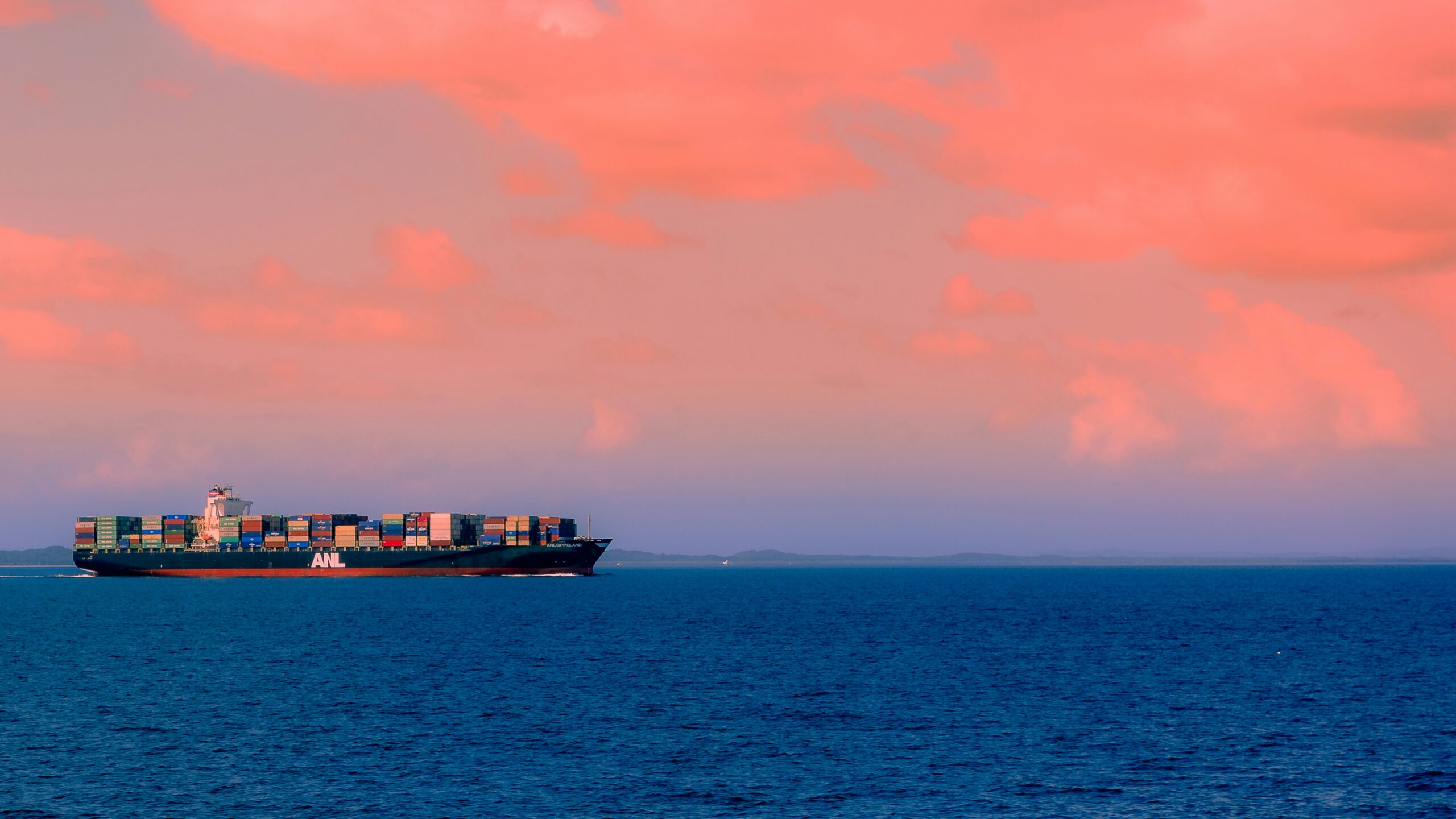
The US and Iran appear to be moving towards an agreement to reopen the Strait of Hormuz, with Tehran possibly achieving a significant strategic win. Donald Trump lauded the talks but warned that military action was still an option if diplomacy failed.
The United States is contemplating one of its biggest concessions to Iran since the start of the conflict, as Washington and Tehran appear to be nearing a deal to reopen the Strait of Hormuz.
Under a draft agreement now being discussed, Iran would be allowed to monitor inbound commercial shipping through the Strait of Hormuz, while outbound traffic would pass through Omani waters, Reuters reported on Wednesday, citing a senior Iranian source and regional officials.
Washington insists publicly that any final deal must maintain freedom of navigation and reject Iranian demands for shipping fees. But the concessions would represent a major shift in the balance of power over one of the world’s most important waterways.
US President Donald Trump expressed optimism on Wednesday, saying US negotiators had had «very good» talks with Tehran. Later, Trump told Fox News that Washington would «hit them really hard» if diplomacy failed to reach an agreement.
Iran wants larger role in Hormuz
Meanwhile, Iran and Oman are discussing a framework to reopen the Strait of Hormuz after months of disruptions to global shipping.
The plan would divert ships into the Gulf through waters controlled by Iran, giving Tehran a formal role in managing incoming maritime traffic. But there are still serious disagreements, including over the extent of Iran’s authority and whether ships would have to pay transit charges.
Iran is reportedly demanding fees of up to 7% of the cargo’s value, while the US has refused any tolls. Oman has offered a possible compromise of a 3% fee.
The Strait of Hormuz is one of the world’s busiest routes for oil and gas exports, so any agreement on how it will be managed is being closely watched by energy markets and governments.