PM Takaichi reaffirms nuclear ban at Hiroshima but hints at security shifts

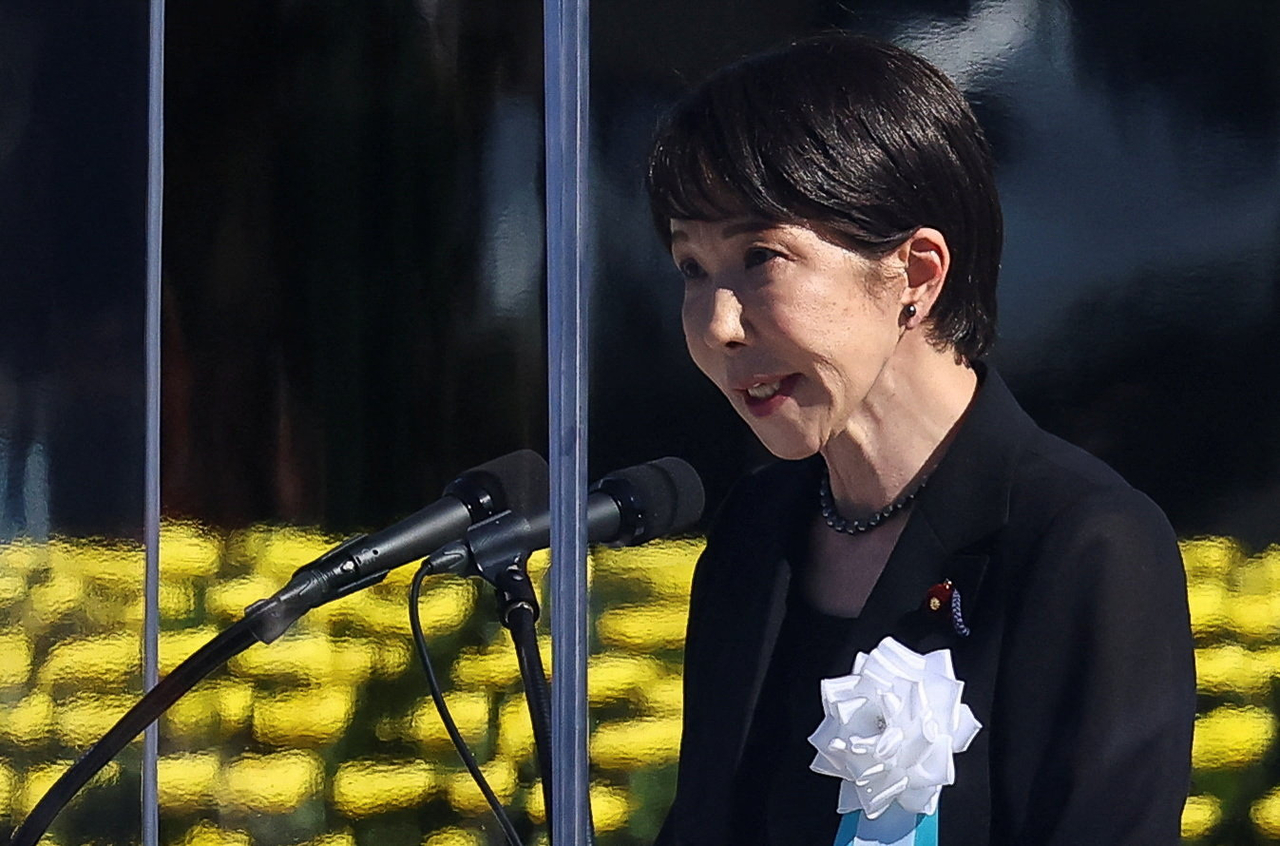
Prime Minister Sanae Takaichi emphasised Japan’s commitment to its non-nuclear principles during a speech in Hiroshima on Thursday, while simultaneously hinting at potential policy revisions amid a worsening global security environment.
Marking the 81st anniversary of the US atomic bombing, Takaichi joined survivors, bereaved families and foreign delegates at the Hiroshima Peace Memorial Park. Attendees observed a minute of silence at 8:15 a.m., the exact moment the weapon detonated in 1945. The blast ultimately killed an estimated 140,000 people in Hiroshima and another 74,000 in Nagasaki three days later.
«The devastation caused by the atomic bombings of Hiroshima and Nagasaki, and the indescribable suffering endured by so many people, must never be repeated,» Takaichi told the crowd.
She pledged to pursue a world free of nuclear weapons and reiterated Japan’s long-standing three non-nuclear principles: not to possess, produce or permit the introduction of atomic weapons into the country.
Conflicting rhethorics
However, the prime minister immediately caveated this pledge by highlighting the increasingly severe global security landscape. This rhetoric comes as her government prepares to revise key national security documents later this year, prompting speculation about the survival of the decades-old nuclear ban.
While officially maintaining support for the three tenets, Takaichi has previously endorsed a 2010 stance from former Foreign Minister Katsuya Okada. That position suggested the government could permit temporary port calls by nuclear-armed vessels during a crisis.
Furthermore, the Japan Innovation Party, a junior partner in the ruling coalition, submitted a policy proposal in June demanding a realistic examination of the ban on permitting nuclear weapons on Japanese soil.