Anthropic embeds invisible watermarks in Claude AI text output

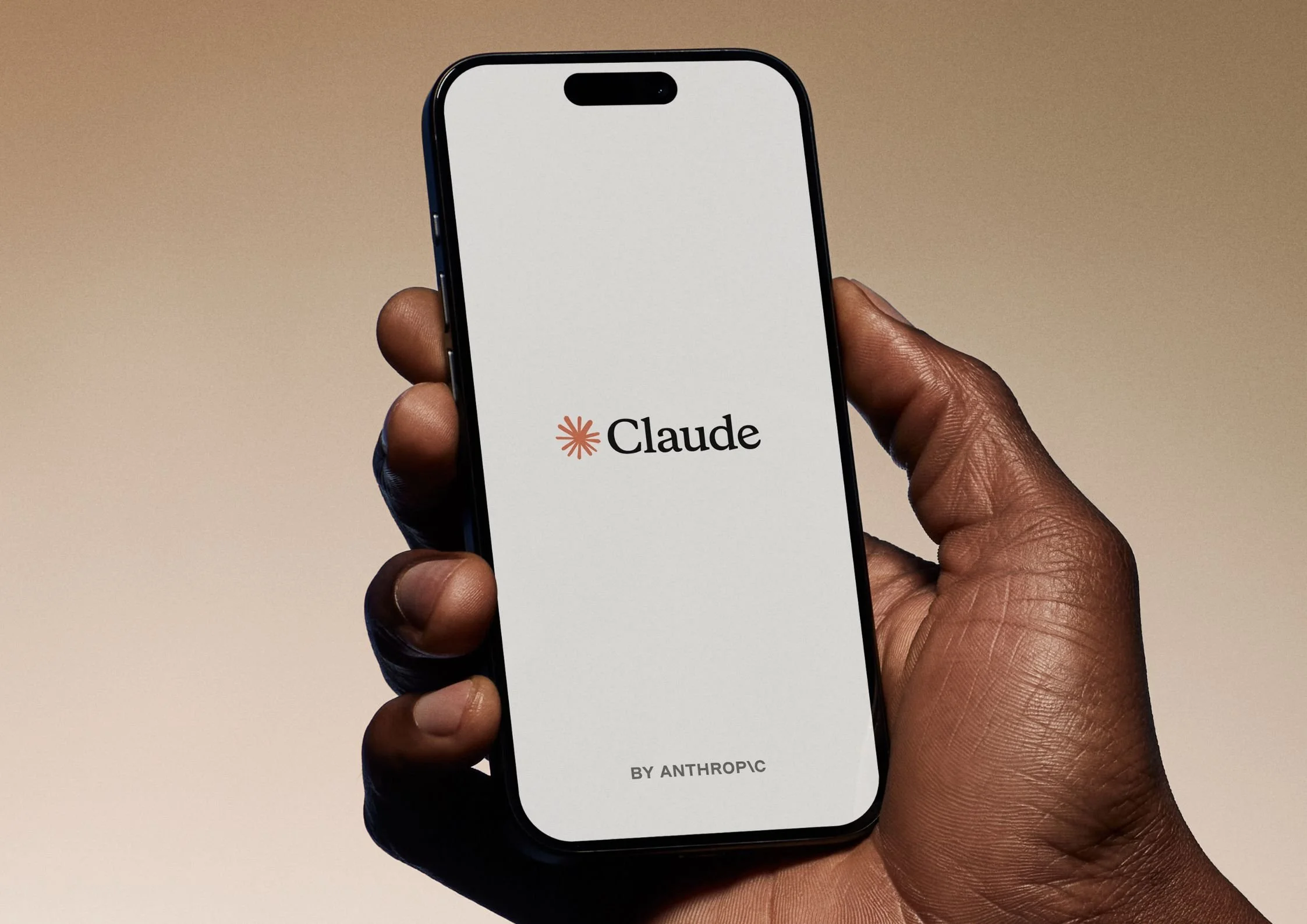
Content generated by Anthropic’s newest Claude artificial intelligence models now carries a hidden signature detectable by software even after it has been copied or lightly edited. The company implemented these invisible text watermarks to comply with transparency mandates outlined in the European Union AI Act.
The mechanism weaves an imperceptible pattern directly into the token generation process. Unlike basic file metadata that can be easily stripped, this statistical signature forms a structural part of the text itself. Anthropic confirmed the feature applies to all Claude models launched since Aug. 2. The system alters the mathematical distribution of word choices without degrading the meaning, tone or readability of the final output.
While the regulatory pressure stems directly from European legislation, the firm applied the modification globally rather than creating regional exceptions. Users accessing the technology through the official web interface, developer APIs or third-party cloud computing partners like AWS, Google Cloud and Microsoft Foundry will automatically receive marked content.
For supported media file formats such as JPEGs or SVGs, Claude now attaches signed provenance metadata based on Coalition for Content Provenance and Authenticity standards.
Complexities in authorship verification
The tracking system introduces significant nuances for establishing true authorship. Anthropic explicitly warned that a positive watermark detection simply indicates Claude processed the text. It cannot definitively prove the AI generated the underlying concepts from scratch. Many professionals routinely rely on large language models to translate, proofread, summarise or reformat original human writing, which would still result in a flagged document.
Conversely, the absence of a mark does not guarantee human authorship. Heavy paraphrasing, manual restructuring or extremely short text prompts can disrupt the statistical pattern enough to render the embedded watermark entirely unreadable. Furthermore, outputs generated by legacy Claude models operating during the current regulatory transition period remain untraceable.
Regulatory pressures and Industry impact
The rollout marks a major shift in how the tech sector handles machine-generated text tracing. The EU AI Act requires providers to ensure their artificial intelligence outputs are clearly marked in a standardised format. Anthropic intends to release dedicated detection tools for third-party verification in the near future.
This capability poses profound implications for confidentiality workflows. Widespread adoption of embedded text tracking could heavily influence sectors reliant on document integrity. Educators, journalists and corporate compliance officers will soon possess a more reliable method to identify machine-assisted writing at scale, though they must interpret the detection signals with caution.