US quietly brokers deal to remove nuclear material from Syria

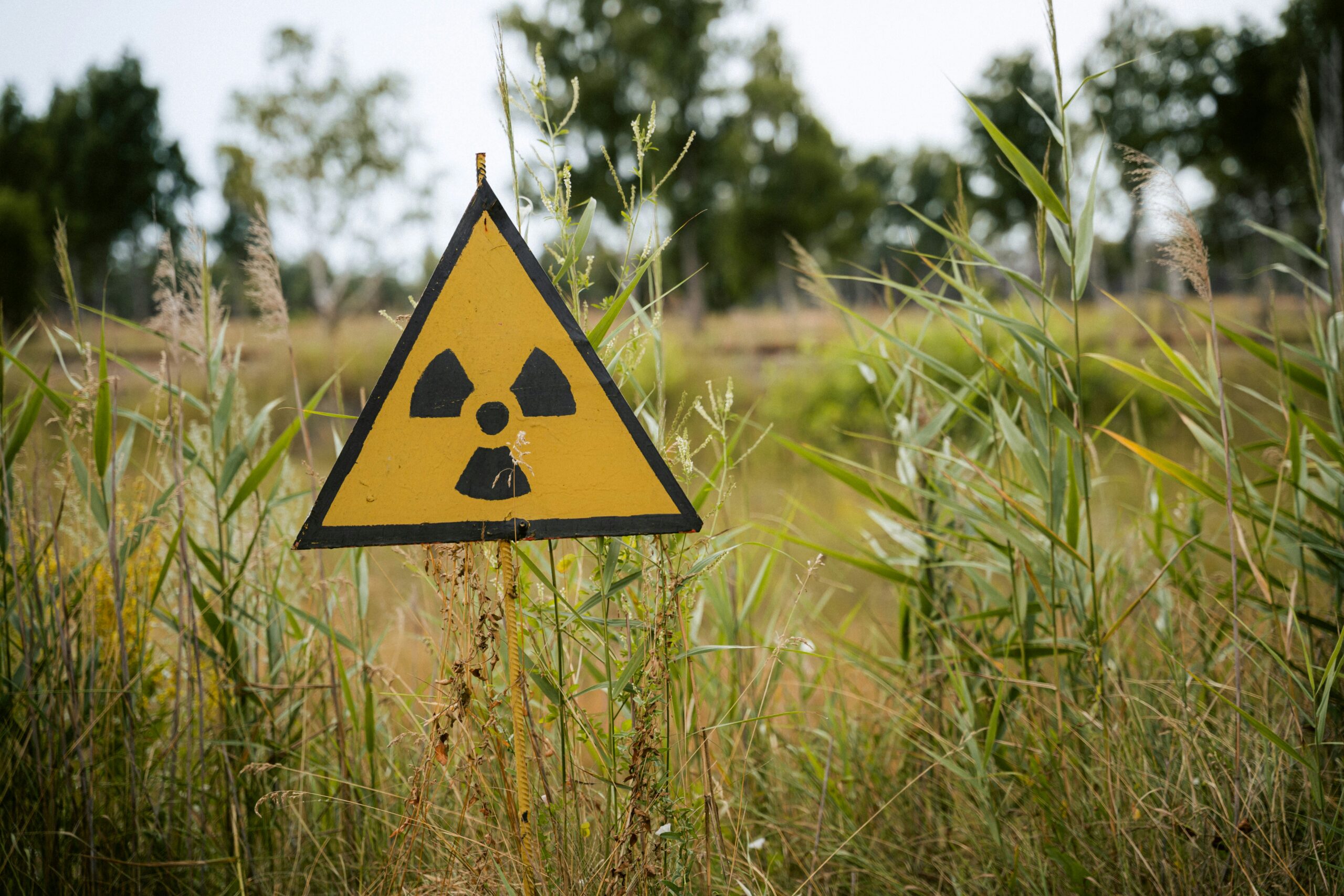
The International Atomic Energy Agency is preparing to remove uranium concentrate from a secretive storage site in Syria after the US helped broker an agreement involving Damascus and Jerusalem, Axios reported.
The arrangement followed months of concern that the site could trigger a wider confrontation involving Israel and potentially Türkiye.
The facility, known as Site 99, was used during the rule of Bashar al-Assad to store material related to Syria’s former Al-Kibar nuclear programme, US and Israeli officials told Axios. But the material has not been taken out, and a deal between the IAEA and Syria was signed about three weeks ago.
The stockpile includes yellowcake, a form of uranium concentrate that can be further processed in the nuclear fuel cycle, and other material left over from the Al-Kibar project, a US official said. The material could not be used directly to make a nuclear weapon, but it could potentially be dispersed in a radiological, or so-called «dirty» bomb, the official told Axios.
After the fall of the Assad government, Israel believed the Syrian authorities might be trying to get hold of the material after recent activity around the facility, the report said. The US has urged Israel not to take military action and involved the IAEA, Axios reported.
What is Syria’s Al-Kibar nuclear programme?
In 2007 Israel destroyed the Al-Kibar facility in eastern Syria. The IAEA later concluded that the building was very likely an undeclared nuclear reactor, while Assad’s government said the site was a conventional military installation.
The question resurfaced after Assad’s fall, when the new Syrian authorities allowed the IAEA greater access to sites related to the old programme. In 2025, inspectors found a large number of chemically processed natural uranium particles at one of the related sites.
The uranium was not enriched, and the agency did not reach a definitive conclusion about what the traces represented. Syria later promised greater transparency about its past nuclear activities.
From economics and politics to business, technology and culture, Kursiv Uzbekistan brings you key news and in-depth analysis from Uzbekistan and around the world. To stay up to date and get the latest stories in real time, follow our Telegram channel.