
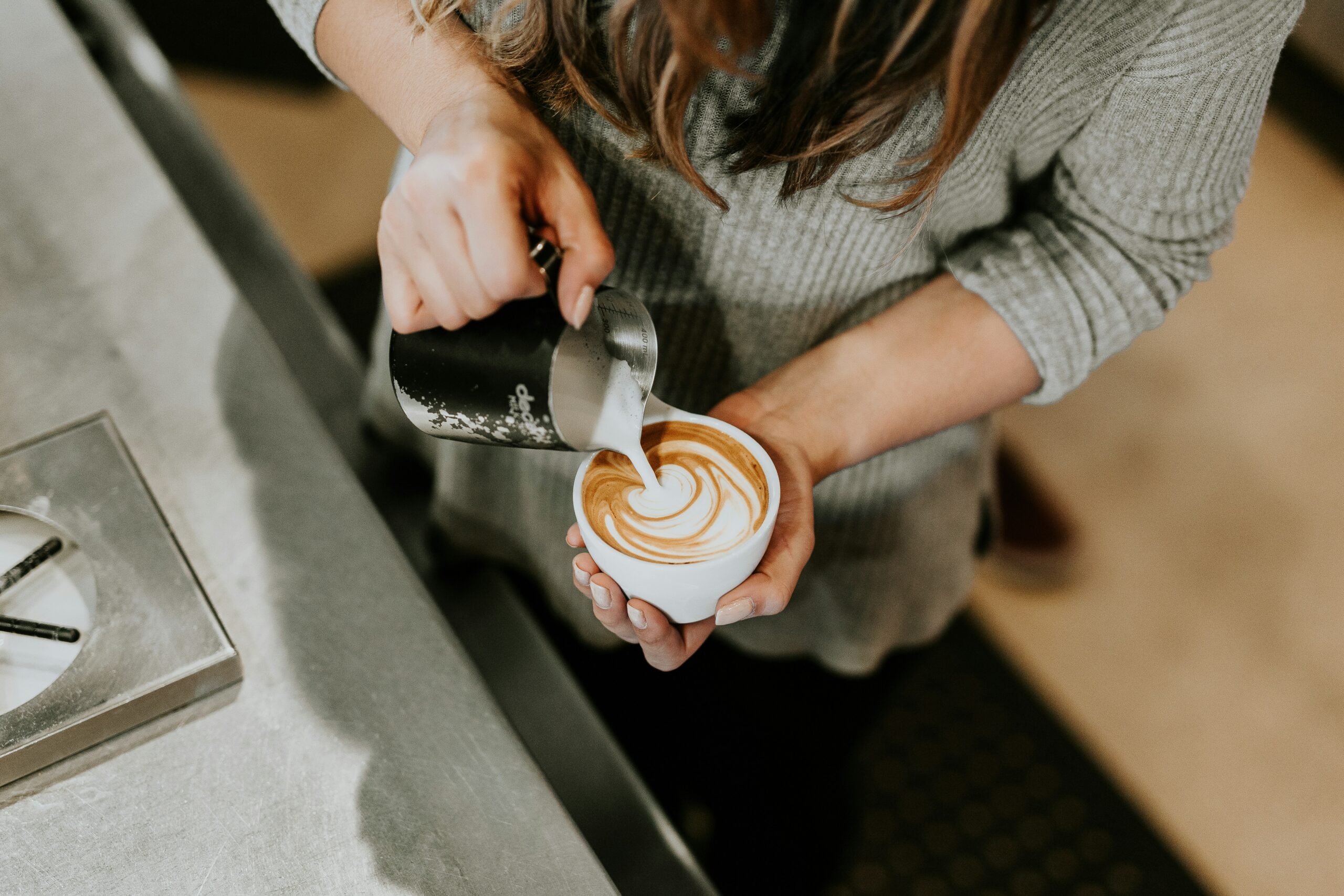
The coffee culture in Tashkent has progressed considerably beyond the latte with lots of syrup and the automated machine. From mom-and-pop roasteries to breakfast cafes, Kursiv Uzbekistan picked seven spots that pay a touch more attention to the beans and the brewing process.
The word «speciality coffee» is intentionally vague. Instead of just coffee that meets a specific numerical score, the Speciality Coffee Association (SCA) now defines it as coffee valued for its distinctive qualities, such as aroma, flavour, origin, processing, and the people behind it.
«Special» or «specialty» can reflect a relationship with a local roaster or a commitment to sustainability and responsible sourcing” — SCA.
The consumer can more easily understand the distinction: cafes should be careful about the origin, roasting method, and brewing technique of their beans.
Anything from a simple espresso to V60, batch brew, and beans roasted right there in Tashkent can be considered a good cup of coffee.
Rassvet
Average coffee bill: 35–60,000 UZS
Location: Chimkent Street, 17
Rassvet sits on a leafy residential stretch of Chimkent Street rather than in one of Tashkent’s big malls. It is pet-friendly, serves breakfast well into the afternoon and has built a menu around both conventional espresso drinks and more experimental seasonal combinations.
Weekend film and cartoon screenings give Rassvet more of a neighbourhood café feel than a grab-and-go coffee bar.
Dosan
Average coffee bill: 50–100,000 UZS
Location: Yakub Kolas Street, 6
For travellers still getting used to Tashkent, Dosan is one of the easier coffee stops to navigate. Staff speak English, the menu is straightforward, and its convenient central location is within walking distance of Kosmonavtlar metro station (now a UNESCO World Heritage site, in case you missed it).
Read more: Tashkent’s ten Soviet-era modernist landmarks on UNESCO World Heritage list
The Korean-run café covers the familiar espresso basics but branches out into matcha and Korean-inspired drinks, including grain-based lattes. There is plenty of seating, including a communal work table, and weekday opening starts at 7am — useful in a city where many cafés get going rather later.
Master Coffee
Average coffee bill: 35–50,000 UZS
Location: Makhtumkuli Street, 114.
Originally from Kazakhstan, Master Coffee has two Tashkent addresses and sits closer to the modern specialty-coffee template: alongside familiar milk-based drinks are batch brew, pour-over coffee and cold-coffee combinations. Beans can also be bought to brew at home.
Come here if the aim is primarily coffee rather than a long restaurant meal; the food selection is comparatively restrained.
Coffee Nation
Average coffee bill: 50–100,000 UZS
Coffee Nation roasts coffee as well as serving it and sells beans ground for home or office brewing. The café also ventures beyond standard espresso drinks: its menu has included lungo and a latte flavoured with melon and bergamot.
There is more going on than caffeine. Visitors can play board games, and the café has displayed work by local artists, some of it available to buy. A terrace adds another reason to linger when Tashkent’s weather permits.
Where: Afrosiyob Street, 14/1
Shavi Coffee Roasters
Average coffee bill: 28–55,000 UZS
Location: Bukhoro Street, 26; also Shota Rustaveli Street, 43=
Shavi is a Georgian roaster that opened its first Tashkent shop in 2026. Its local operation uses its own roasted beans sourced from countries including Ethiopia, Colombia and Indonesia, and the menu makes it relatively easy to compare brewing styles rather than disguising the coffee beneath flavourings.
A useful option for the curious is the tasting set pairing espresso with filter coffee. Shavi now has two Tashkent locations, including its original Bukhoro Street café and a newer branch on Shota Rustaveli Street.
Tim’s Coffee & Roastery
Average coffee bill: 50–100,000 UZS
Location: Taras Shevchenko Street, 40
Tim’s combines a roastery with the sort of roomy café where opening a laptop does not immediately make you feel guilty. An independent Tashkent café guide notes its spacious, work-friendly setting, while the coffee menu includes espresso drinks and alternatives such as V60 and filter coffee.
There is also brunch and a substantial bakery side to the operation, so it works better for an extended stop than somewhere designed solely for a quick espresso at the counter.
Mad Lads
Average coffee bill: 50–100,000 UZS
Location: Kichik Halqa Yo‘li (Little Ring Road), 21
Mad Lads is the most roastery-focused name on this list. It describes itself as a specialty coffee roastery and café, roasting in Tashkent daily and working with single-origin beans, including coffees from Ethiopia and Colombia. It also runs coffee training and community events.
That makes it an interesting stop for anyone who has progressed beyond asking whether a café has a flat white and wants to know what is actually inside it. Unlike the more food-orientated cafés above, the emphasis here is squarely on roasting and coffee itself.
Uzbekistan’s coffee renaissance
Uzbekistan’s appetite for coffee is growing quickly. In the first half of 2025, the country imported 431 tonnes of coffee worth $3.9 million, up by 133 tonnes from a year earlier. Italy was the largest supplier with 125 tonnes, followed by Brazil with 81 tonnes and Vietnam with 39 tonnes, according to Uzbekistan’s Statistics Committee.
That growth is feeding into a broader shift in how coffee is consumed. Julius Meinl Uzbekistan says coffee is becoming a more regular part of urban daily life, particularly in Tashkent, Samarkand and Bukhara, while neighbourhood cafés, takeaway formats and specialty-style menus are gaining ground. Customers also remain price-conscious, pushing cafés to balance quality with affordability rather than simply chase premium positioning.