SCO leaders adopt 28 pacts on security and AI at Bishkek summit

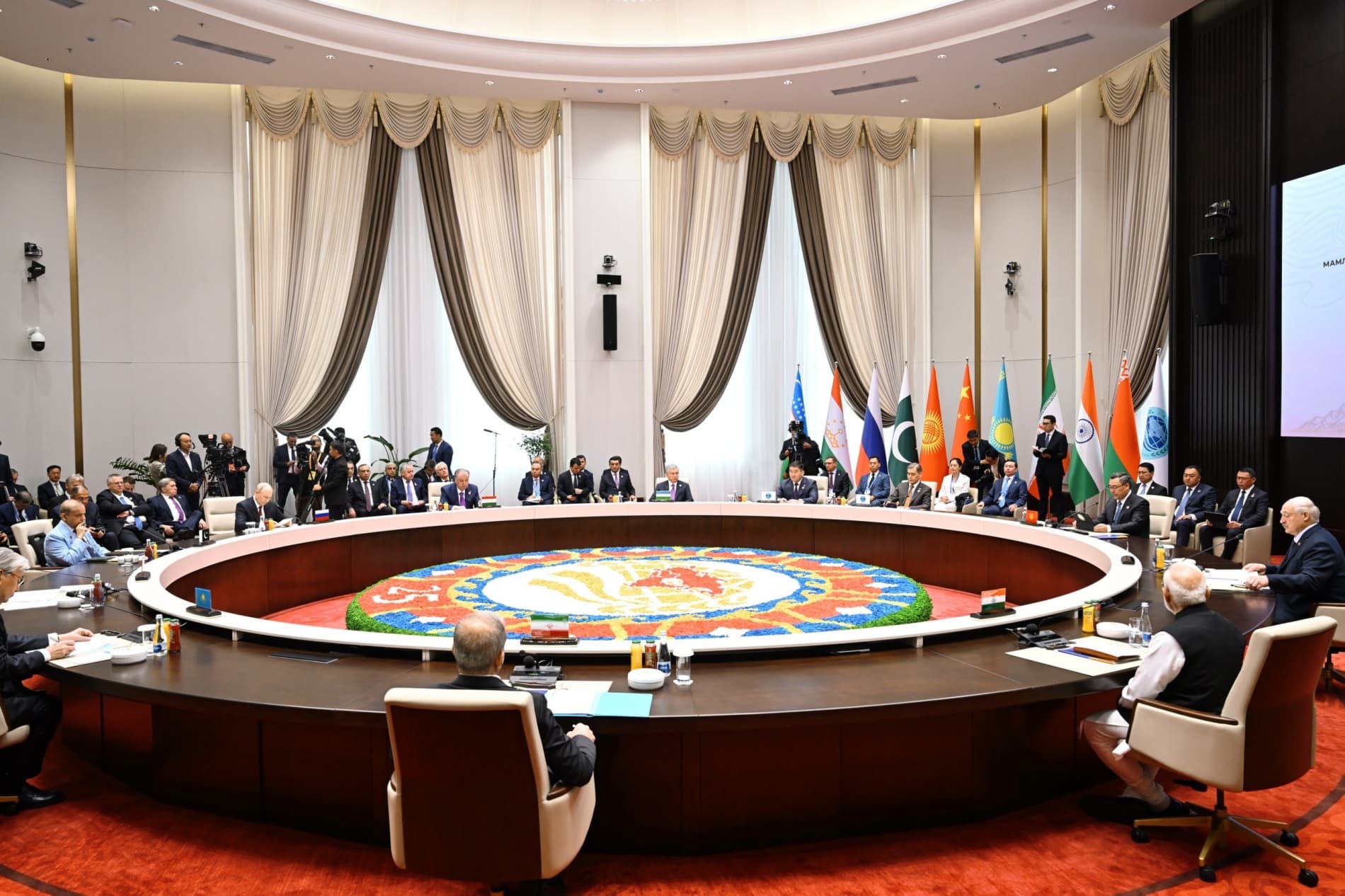
The Shanghai Cooperation Organisation concluded its 25th-anniversary summit on Tuesday with member states adopting a raft of agreements aimed at bolstering regional security, advancing artificial intelligence and tackling climate change.
Chaired by Kyrgyz President Sadyr Japarov, the summit gathered key global figures including Chinese President Xi Jinping, Russian President Vladimir Putin, Indian Prime Minister Narendra Modi and Iranian President Masoud Pezeshkian. The high-level talks in the Kyrgyz capital coincided with the opening of the sixth World Nomad Games, framing a busy week of Eurasian diplomacy.
The centrepiece of the event was the signing of the Bishkek Declaration, a document marking a quarter-century of the bloc’s existence and outlining its future trajectory. Leaders also approved amendments to the 2002 SCO Charter to modernise the organisation’s administrative framework.
Tackling emerging security threats
Security remained a dominant theme for the alliance. Member states ratified several measures to combat transnational crime and the illegal drug trade. Chief among these were the establishment of a Universal Centre for Countering Security Challenges and the creation of an executive committee for a newly minted Anti-Drug Centre.
Delegates agreed on a comprehensive programme to coordinate actions against synthetic drugs and their precursors up to 2030. The summit also produced a dedicated plan to guarantee international information security between 2026 and 2028, reflecting growing concerns over cyber threats. In the nuclear domain, the council issued a joint declaration pledging to strengthen multilateral partnerships for physical nuclear safety.
Technology, climate and trade integration
Moving beyond traditional defence issues, the SCO pivoted sharply towards digital and environmental cooperation. Leaders signed a conceptual framework for building regional data centres, expanding computing capacities and developing an integrated artificial intelligence industry across member states.
This was reinforced by a separate intergovernmental memorandum specifically targeting AI collaboration alongside a pact on general information sphere cooperation.
On the environmental front, the bloc approved a joint action plan for biodiversity conservation running until 2031 accompanied by a dedicated memorandum on climate change mitigation. To harmonise economic growth with these ecological goals, officials endorsed a «Green Technology Corridor» programme designed to streamline scientific and technological cooperation through 2030.
Infrastructure development received a significant boost with a new roadmap for expanding ports and logistics hubs over the next five years. Energy ministers secured statements promoting energy efficiency and the integration of regional power systems.
Expanding global reach
The organisation continued to widen its diplomatic footprint by signing a memorandum of understanding with the African Union Commission. Culturally, the Pakistani city of Lahore was designated as the SCO’s Tourism and Cultural Capital for 2026-2027.
Social and administrative matters rounded out the agenda. Member states issued statements supporting the institution of the family and promising mutual assistance for states affected by emergencies. The council also reviewed annual activity reports from the SCO Secretary-General and the Regional Anti-Terrorist Structure, while formalising the termination of several outdated council decisions and revising regulations for the Goodwill Ambassador title.
The summit concluded a pivotal chapter for Kyrgyzstan’s leadership of the bloc. The rotating presidency now passes to Pakistan, which will host the next heads of state council in 2027.
