Russia sanctions bill sent to Trump: What’s in store for Central Asia

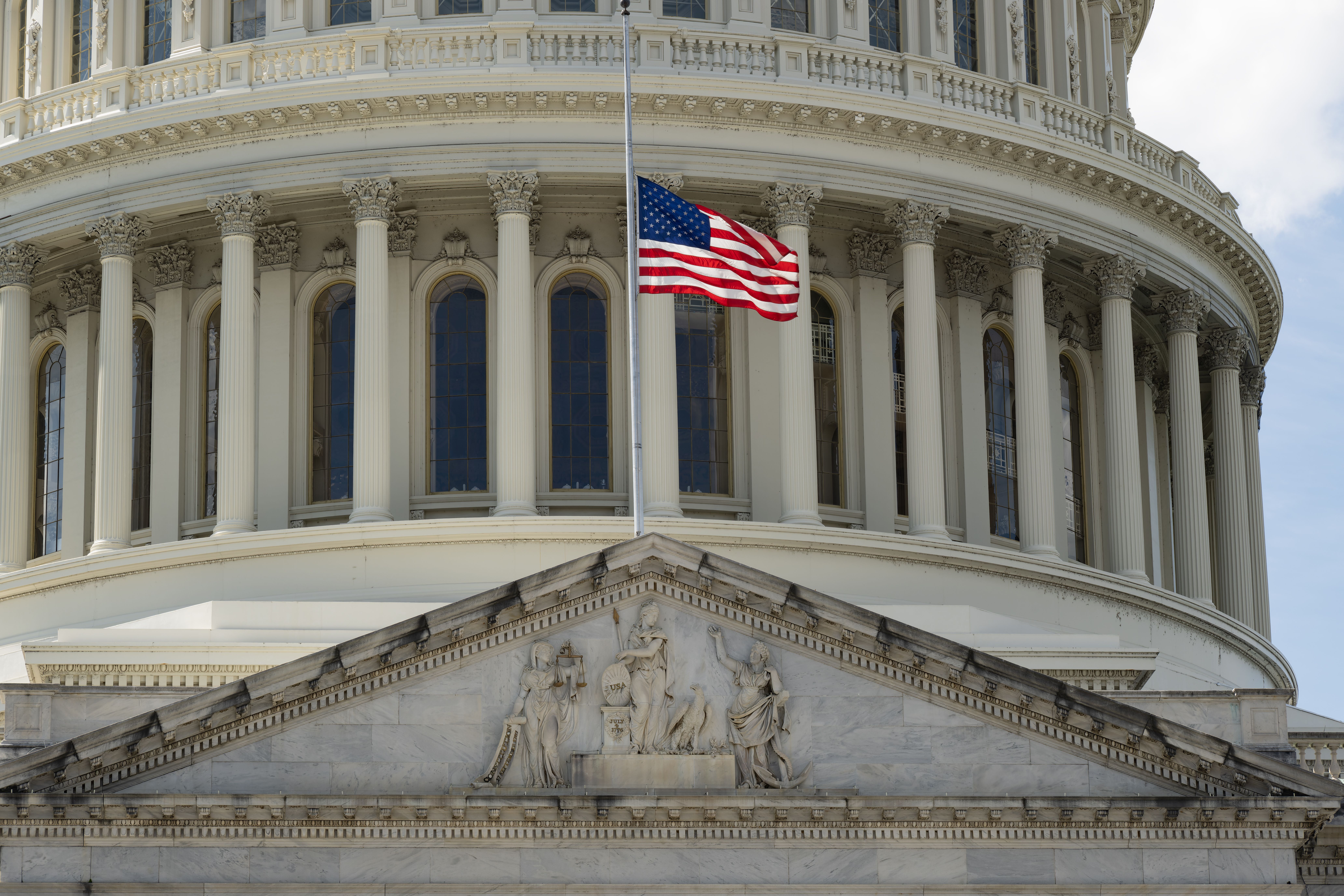
The US House of Representatives has passed the Russia sanctions bill championed by late Senator Lindsey Graham. For Central Asia, its tariff rules and banking restrictions carry different risks.
The 262–159 vote on 16 September sent the legislation to the US president, Donald Trump, after Senate approval. As per the latest confirmed update, the bill now awaits presidential signature, while congressional passage does not itself impose new tariffs.
The bill permits additional duties of up to 100% on imports from qualifying Russian energy buyers and sanctions-evasion hubs. In the meantime, a separate provision for goods imported directly from Russia allows rates of up to 500%.
Where Russia sanctions bill hits Central Asia
The tariff mechanism targets US imports from qualifying countries. It would not put a US customs charge directly on every shipment between Central Asia and Russia.
As the Congressional Research Service explains, the energy provision combines top-five importer status with qualifying new purchases after enactment. A separate provision covers the five leading countries facilitating Russian oil-sanctions evasion. The 100% figure is a ceiling, with duties additional to existing charges.
The backstory: US senators ease tariffs on Russian energy buyers in new sanctions bill
Why it is relevant for regional countries:
- Uzbekistan’s gas purchases are worth monitoring. Kursiv Uzbekistan reported back in July that the IEA expected Russian gas exports to the country to exceed 10 billion cubic metres in 2026. Increasing purchases – especially ahead of the coming winter – could complicate reliance on an exemption that requires reductions in imports.
- The exemption clause explicitly included Kazakhstan’s oil transit. Section 114(g) of the Senate text excluded non-Russian oil passing through Russia’s territory for export, along with entities transporting it. That protects a category of trade without giving Kazakhstan a countrywide exemption.
- Section 102 of the bill applies to foreign businesses that knowingly supply specified goods or services connected with Russia’s defence industry or facilitate sanctions evasion.
The other angle: Kazakhstan tells Caspian oil firms to host armed security teams
Banks face a separate exposure
Even outside the tariff provisions, regional banks must consider whom they finance. Existing US Treasury guidance already exposes foreign financial institutions to sanctions for significant transactions involving Russia’s military-industrial base, broadly defined to include entities blocked under the relevant executive order.
For Uzbek and other regional businesses, the potential consequence is additional scrutiny or fewer available counterparties, even where their goods remain permissible. Stricter screening and rejected transactions are therefore likely to become the most consequential outcome.
Read more: Revolut restricts transfers to France from Uzbekistan and Kazakhstan