
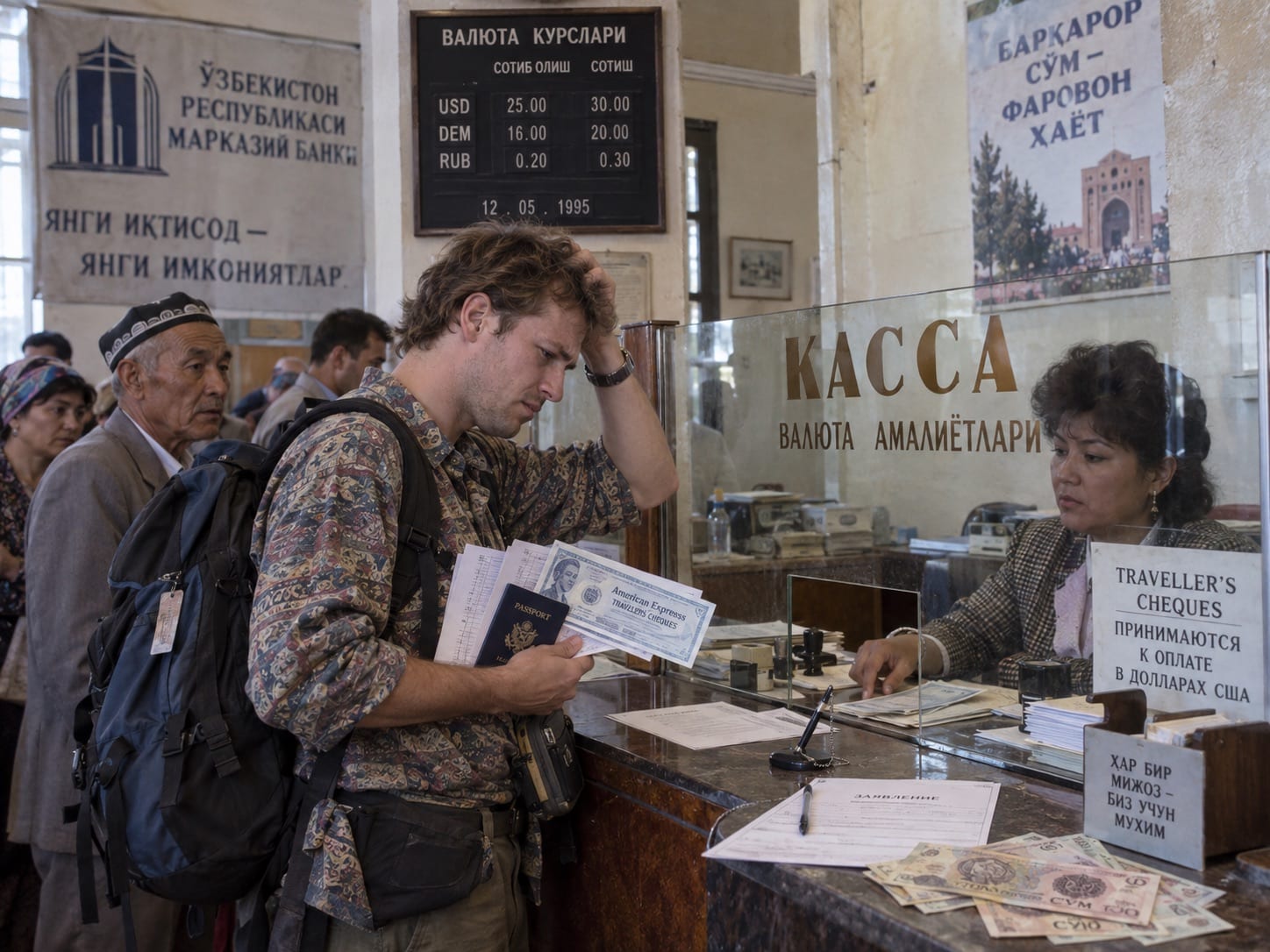
Imagine arriving in Uzbekistan with no banking app, no credit card and little hope of finding an ATM. In 1995, getting hold of Uzbek soums could be a travel experience in itself — and here’s how.
Footage recently shared on YouTube captures one foreign visitor, Ian, trying to do exactly that. His supposedly safe solution was the traveller’s cheque — a prepaid piece of paper that was designed to be less risky than wandering around with a wallet full of dollars.
There was only one snag. Someone had to cash it in Uzbekistan.
In the video, Ian first has to find a bank that knows what to do with his cheques. For a foreign visitor unable to explain the problem in Uzbek or Russian, something as routine as getting spending money could turn into a lengthy negotiation.
The episode also unfolded at an unusually interesting moment in Uzbekistan’s financial history. The soum itself was barely a year old, having replaced the transitional soum-coupon in July 1994. Uzbekistan was still putting the machinery of its new currency market together.
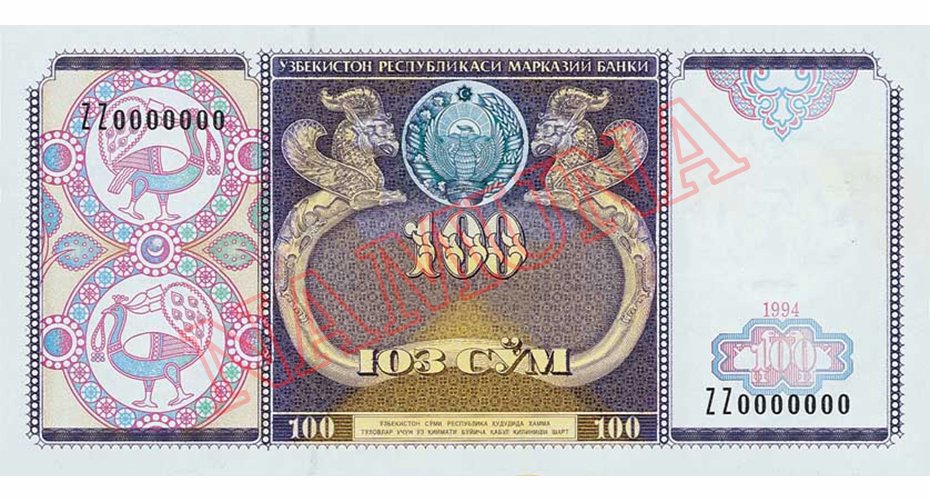
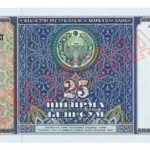
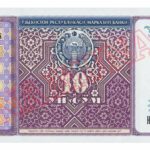
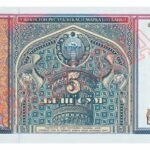
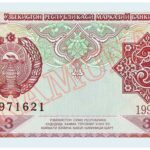
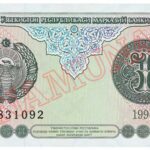
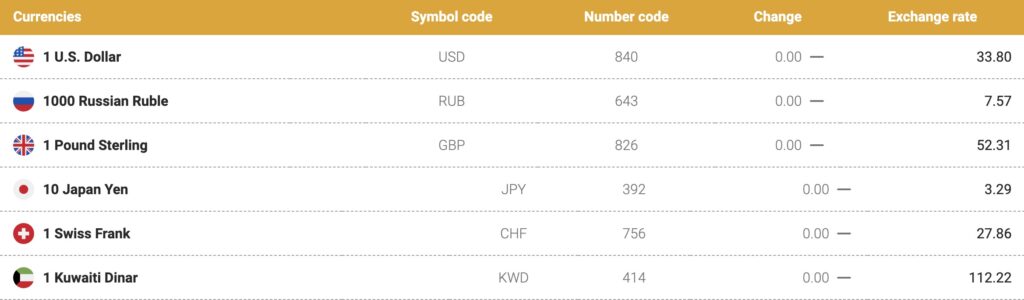
And the cash itself looked completely unique too. According to historical rates from 1995, $1 was worth 33.80 soums, £1 bought 52.31 soums, and 10 Japanese yen fetched just 3.29 soums.
So a crisp $100 bill would officially have turned into roughly 3,380 soums — a sum that today sounds almost comically small.
Read this before adding Uzbekistan to your bucket list: Uzbekistan on a budget: How much will a trip cost you in 2026?
Welcome to pre-ATM travel
Traveller’s cheques now belong to the same travel museum as paper airline tickets and suitcases without wheels, but in the 1990s they made perfect sense.
A traveller bought the cheques in advance, signed them and could theoretically replace them if they were lost or stolen. That made them safer than carrying an entire holiday budget in cash.
Read more: Uzbekistan’s exchange rate to capture more bank trading
Foreign exchange was far from smooth for visitors.
The US dollar auctions held by the Republican Foreign Currency Exchange set the soum rate. These auctions were increased to twice a week in April 1995, and sterling and yen rates were derived from international dollar cross-rates.
The official rate had suddenly changed. After different exchange rates were unified at 22 soums to the dollar in October 1994, the soum fell to 33.5 per dollar by September 1995, almost exactly the level shown in the historical table in the video.