Autumn smog begins: Air quality in Tashkent on 30 September

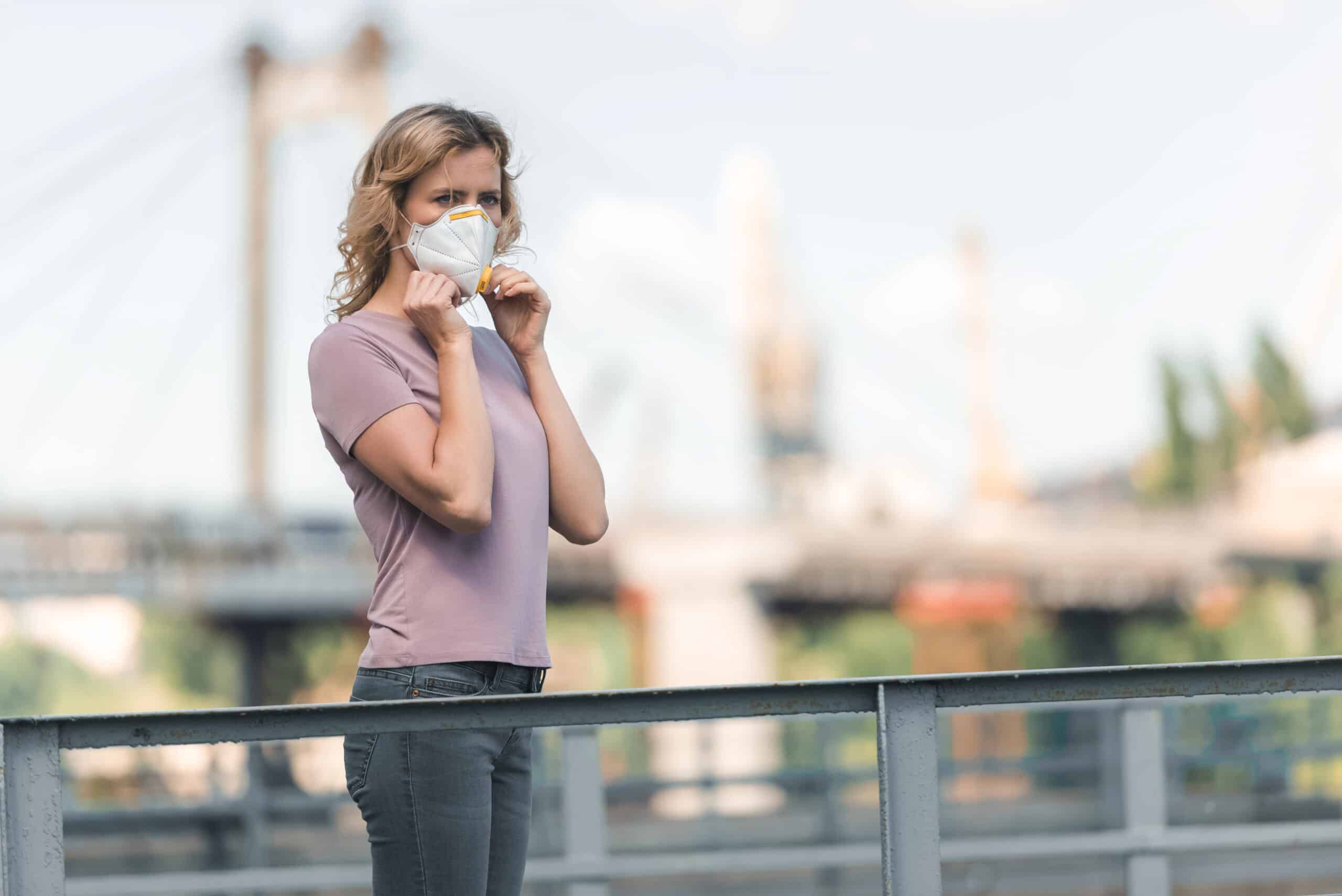
Tashkent residents are bracing for the familiar autumn haze as air pollution levels surge across the capital. Official data from Uzhydromet recorded fine particulate matter PM10 at 110 micrograms per cubic metre on Wednesday morning.
This figure exceeds the maximum permissible concentration of 75 micrograms per cubic metre by a factor of 1.46, signalling the start of the city’s seasonal environmental challenges.
Independent monitoring from the IQAir platform corroborated the shifting conditions.
The live Air Quality Index reached 91, classifying the atmosphere as «moderate» for the general public.
IQAir’s sensors measured the main pollutant, PM2.5, at 30.5 micrograms per cubic metre.
This aligns closely with Uzhydromet’s own reading of 35 micrograms per cubic metre. The meteorological shift traditionally traps emissions from vehicle exhaust, industrial activities and residential heating systems close to the ground. This thermal inversion creates a dense smog layer over the urban basin, visually obscuring the skyline and impacting daily commutes.
What is PM2.5
Particulate matter 2.5 refers to microscopic airborne particles with a diameter of 2.5 microns or less. Because of their minuscule size, these pollutants can bypass the respiratory system’s natural defences, entering the bloodstream and triggering severe cardiovascular and respiratory complications.
While Uzhydromet notes that current PM2.5 levels remain well below the local permissible limit of 60 micrograms per cubic metre, the World Health Organisation stresses that health risks increase rapidly with exposure, recommending a 24-hour average limit of just 15 micrograms per cubic metre and an annual average of no more than 5 micrograms per cubic metre.
The current local limits mean Tashkent technically complies with domestic regulations for PM2.5, even as it breaches international health benchmarks. Short-term forecasts offer some respite, with IQAir predicting the AQI will steadily decrease into the mid-40s by late evening.