Suspected plague in Russia: What we still don’t know?

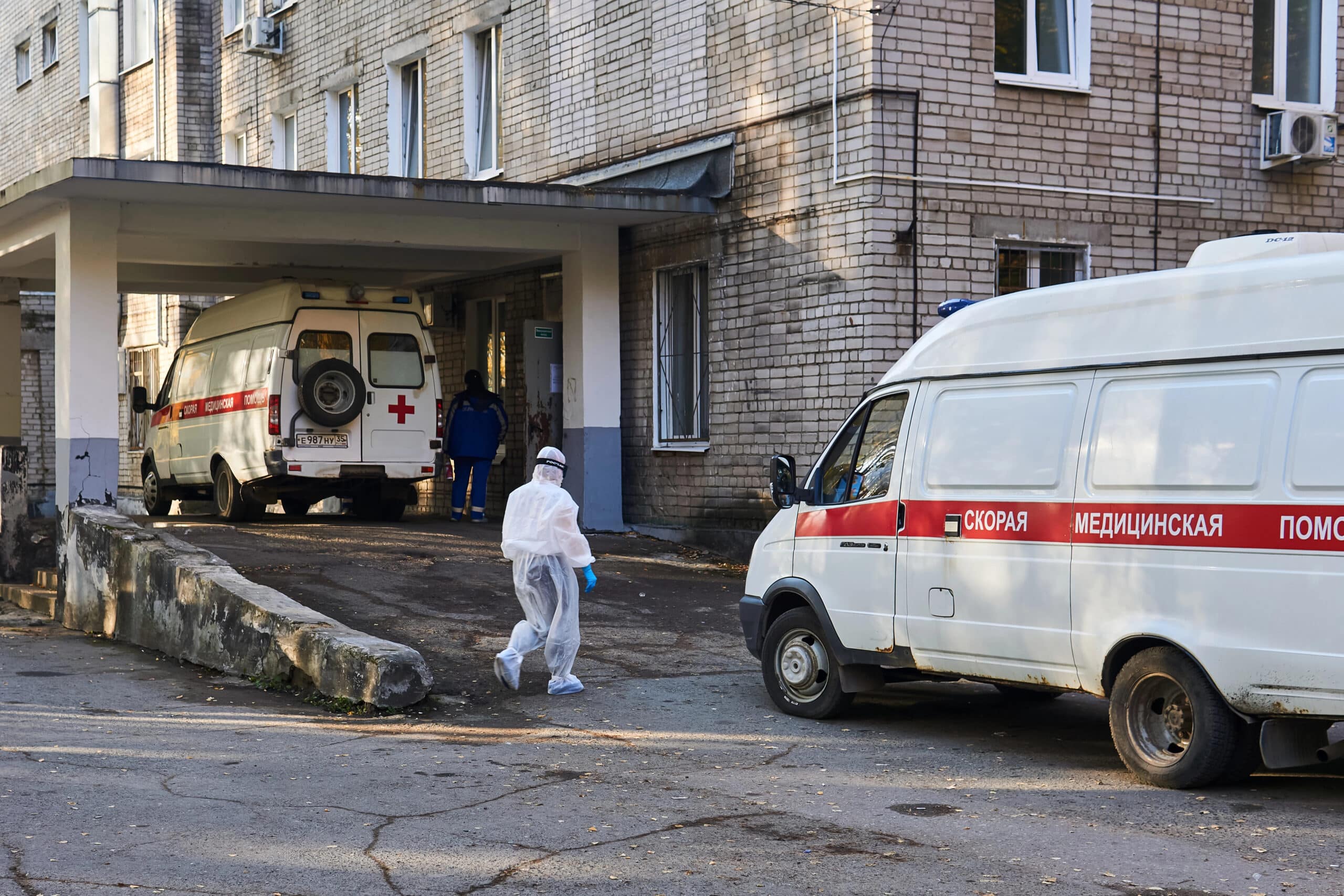
Russia says no plague cases have been confirmed in the Irkutsk region, but the death of a laboratory worker and mounting reports of a second patient remain unexplained publicly. Here are the biggest unknowns that make it difficult to understand what really happened.
Daria Shipilova, 28, worked at the Irkutsk Anti-Plague Research Institute and died in hospital in nearby Shelekhov on 2 October, according to local independent media outlet Lyudi Baikala. Around 200 contacts were placed under observation. Russia’s health watchdog, Rospotrebnadzor, described her illness as pneumonia of unknown cause and said tests found no microorganisms linked to her work.
US health and national security officials met at the White House on 5 October to assess the reports and possible next steps. In Europe, the European Commission added the incident to the agenda of its Health Security Committee meeting scheduled for 7 October, bringing together representatives of member states.
As the post-Covid world braces for a possible new pandemic, here are the key unknowns requiring further exploration:
- What killed Shipilova?
- Is there a second case?
- Was there a lab accident?
- Would Russia respond as it did to Covid?
What killed Shipilova?
«Pneumonia of unknown cause» describes the illness without identifying what caused it. The missing answer is whether investigators have established a specific pathogen, including whether they have conclusively excluded Yersinia pestis, the bacterium responsible for plague.
Rospotrebnadzor’s public explanation refers to expanded laboratory investigations but does not provide a detailed account of the samples, methods or individual results. On 6 October, WHO told Kursiv Uzbekistan that no cause of death had been officially confirmed and laboratory testing was reportedly continuing.
The backstory: WHO seeks clarity from Russia over lab death linked to plague fears
The post-mortem findings are another gap, as public accounts reviewed for this article do not establish what an autopsy found or whether a final report has been completed. Shipilova’s mother said on 5 October that she had not yet received an official conclusion about her daughter’s death, according to reporting by Lyudi Baikala.
Is there a second case?
There is no verified information on the second plague case aside from second-tier sources we reviewed at the time of writing. However, WHO Director General, Tedros Adhanom Ghebreyesus, said the organisation asked Moscow to clarify media reports of a second employee with pneumonia of undetermined cause.
Since the first media reports, @WHO has been actively following up on the reported death of a laboratory worker at the Irkutsk Antiplague Research Institute in Irkutsk oblast, Russian Federation. The individual died on 2 October 2026 after being hospitalised with severe pneumonia. Initial media reports suggested pneumonic plague following an alleged accidental laboratory exposure. In response to WHO’s verification request under the International Health Regulations, the Russian health authorities reported that no case of plague had recently been registered in Irkutsk oblast. They informed WHO that an epidemiological investigation had been conducted, preventive and control measures implemented, and identified contacts placed under medical observation and tested. They reported that no high-threat pathogens had been detected among the contacts and that medical observation of all identified contacts had been completed. WHO has remained in contact with the Russian health authorities and has offered technical support. WHO has requested further information to clarify the cause of the severe pneumonia, the pathogen that prompted the public health measures, and media reports of a second employee with pneumonia of undetermined cause. Timely, complete and transparent information sharing under the International Health Regulations is essential to clarify conflicting reports and enable an accurate assessment of potential public health risks.
— Tedros Adhanom Ghebreyesus (@DrTedros) October 6, 2026
The European Centre for Disease Prevention and Control said on 6 October that it had no reports of secondary cases and no evidence of sustained person-to-person transmission. Separately, Rospotrebnadzor reported two Covid-19 infections and two rhinovirus infections among contacts, with no other infectious pathogens detected.
Was there a lab accident?
The account of a broken test tube helped turn a local death into an international story. Lyudi Baikala reported the allegation, attributing it to journalist Pavel Stepanov and the Telegram outlet Mash. It remains unverified.
Rospotrebnadzor says inspections found no accident involving pathogenic microorganisms at the institute. The unresolved issue is the evidence behind that conclusion: the public statements do not set out a detailed reconstruction of Shipilova’s work or a confirmed alternative source of infection.
Meanwhile in the US: White House puts suspected Russian plague outbreak on watchlist
.@TravelGov: Иркутск, Россия: Посольство США осведомлено о сообщениях СМИ из Иркутской области о предполагаемом случае легочной чумы, повлекшем за собой смерть человека, а также о связанных с этим карантинных мерах и закрытии больниц в Иркутске. https://t.co/4FInbvt0OT
— США по-русски (@USApoRusski) October 7, 2026
Would Russia respond as it did to Covid?
Russia’s early Covid response combined isolation with restrictions on travel. Its first two confirmed patients were quarantined in January 2020. Moscow introduced additional precautions in early March, and Russia subsequently barred most foreign nationals from entering the country from 18 March.
Some measures would look familiar if pneumonic plague were confirmed: isolating patients, tracing contacts and protecting healthcare workers. In the meantime, plague has established antibiotic treatments.
Dig deeper: From Black Death to Russian lab: How lethal (and curable) is plague?
What remains unknown is how fully those measures have been applied in this investigation: who received preventive treatment, when potential exposure ended and what criteria were used to release contacts from observation.