Uzbekistan signs $4.7bn in energy deals, targets 54% renewables by 2030

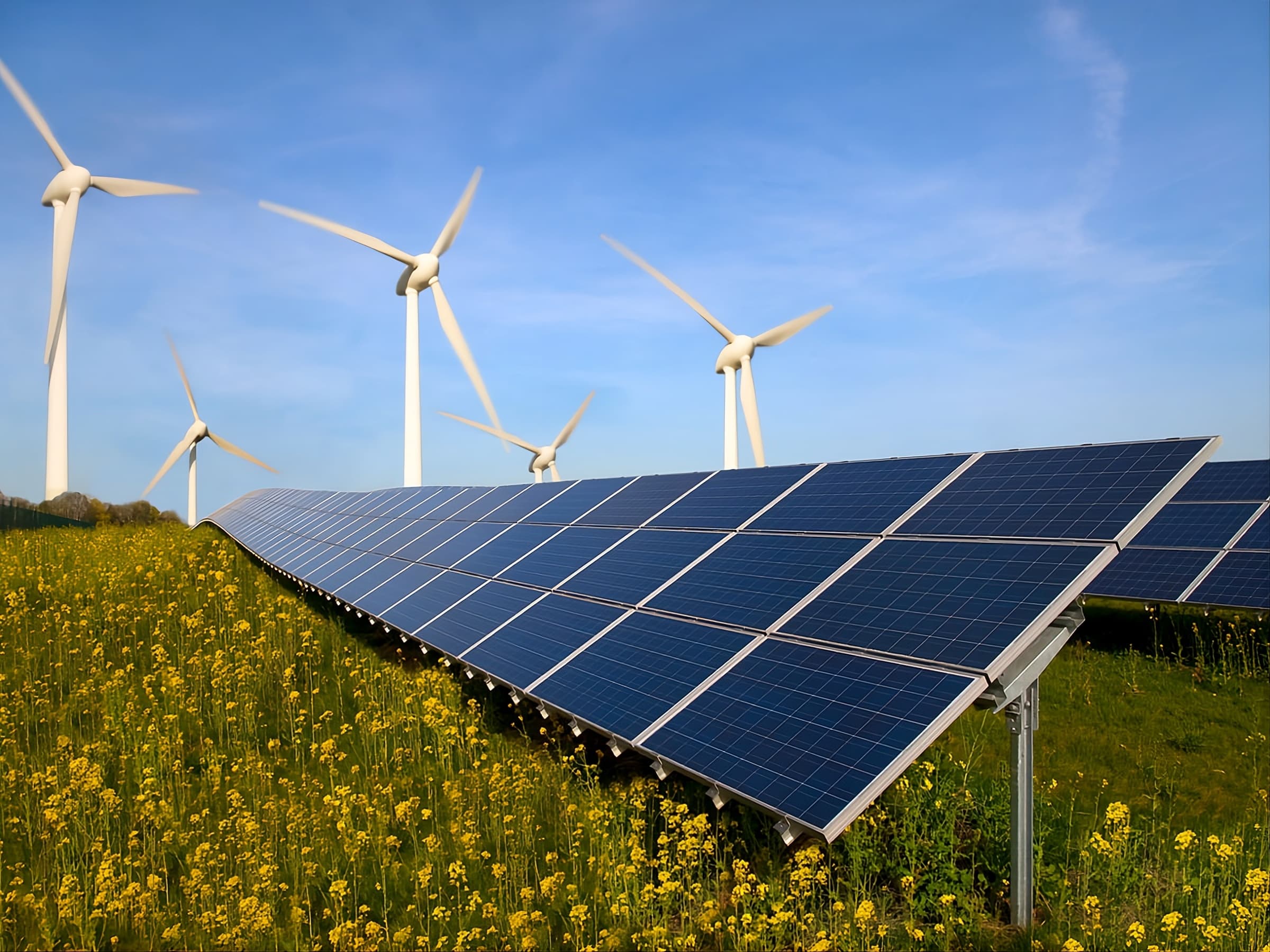
Uzbekistan has signed six energy agreements worth $4.7bn, covering 3,000 megawatts (MW) of electricity generation and 400 MW of energy storage capacity, President Shavkat Mirziyoyev announced during a meeting with energy investors on October 16.
The agreements come as Uzbekistan prepares to add 22,000 MW of generating capacity by 2030, raising annual electricity production to more than 129bn kilowatt-hours (kWh). Renewable energy is expected to account for 54% of total generation by then.
Mirziyoyev said Uzbekistan had attracted $35bn in energy investment over the past decade after opening the sector to private investors and introducing public-private partnerships.
The number of partner countries has increased from two or three to more than 10.
Renewable energy now accounts for 31% of electricity generation, with installed green energy capacity reaching 11.1 gigawatts (GW). Electricity production per capita has risen 28% to 2,300 kWh.
Uzbekistan to change how energy projects are awarded
Mirziyoyev announced changes to the way Uzbekistan selects locations for new power plants.
Previously, many renewable energy projects were built in areas proposed by investors. Although this helped attract investment, it also concentrated generating capacity in certain regions and increased the cost of transmitting electricity elsewhere.
«We do not need separate power plants, but an interconnected energy system,» Mirziyoyev said.
Under the new approach, the government will identify where additional generating capacity is needed before offering projects through competitive tenders.
Investors will receive information about land availability, grid connections, electricity purchase agreements and payment terms before bidding.
Six solar and wind projects with a combined capacity of 2,200 MW will be offered through competitive tenders soon.
Uzbekistan will also publish its first National Energy Master Plan covering development until 2050. A map showing available grid connections is due by March 1, 2027, followed by the full plan by July 1.
The government also plans to allow renewable energy producers to earn additional revenue from green certificates and carbon credits.
Data centres and energy storage receive priority
The president highlighted growing electricity demand from artificial intelligence, data centres and new industrial facilities.
Land with access to electricity networks and renewable energy sources will be identified for future data centres. Large facilities will need primary and backup power supplies, energy storage and cooling systems.
Investors will also be expected to use technologies that reduce electricity and water consumption.
Uzbekistan plans to clarify existing 10-year land and property tax exemptions for energy storage projects. The benefits will explicitly cover supporting infrastructure, including substations, control buildings and associated facilities.
Private companies will also receive a greater role in electricity distribution. A model introduced in Samarkand will be extended to Jizzakh and Tashkent regions to reduce electricity losses and improve services.
The government will seek private investment to modernise public facilities and water pumping stations using energy-efficient technologies.
Investors could earn revenue from the electricity saved and carbon credits generated by these projects.
«The cheapest energy is the energy we save,» Mirziyoyev said.