Taliban say divisive canal will soon tap river vital for Uzbek farms

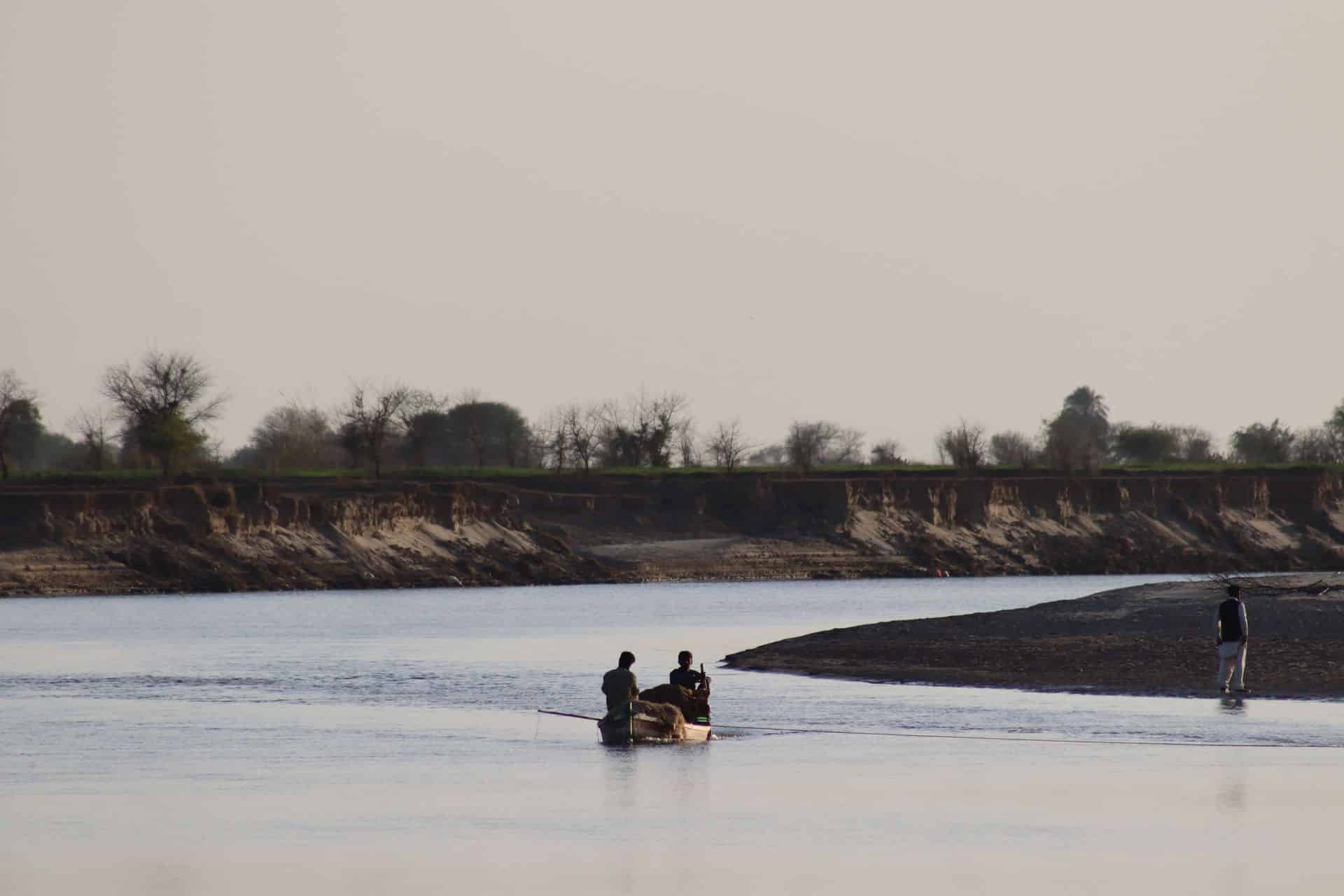
The Taliban government claims the Qosh Tepa canal is nearly complete and will soon divert water from the Amu Darya, one of Central Asia’s great rivers, to farmland in the country’s north, according to Afghanistan International. Downstream, Uzbekistan and Turkmenistan depend on the same river to grow crops.
Afghanistan’s National Development Corporation said on 25 November that workers have finished 99% of the digging for the second phase of the Qosh Tepa canal, TOLOnews reported.
Work continues on 47 bridges and flow-control structures, and the corporation expects to let water from the Amu Darya into the main channel soon.
The Taliban began building the 285km canal in 2022, with the stated goal of allowing Afghan farmers to grow enough wheat to meet the country’s needs. The Qosh Tepa is said to irrigate 550,000 hectares in the northern Afghan provinces of Balkh, Jowzjan and Faryab.
🇦🇫💧 A historic milestone for Afghanistan! Work on the Qosh Tepa Canal is nearing completion, with Phase 2 already 99% complete. Soon, the waters of the Amu River will flow into the canal, bringing hope for agriculture, food security, and a brighter future for Afghanistan! 🌾💪 https://t.co/hBz6Wqhbik
— Fawad Alokozai (@FawadAlokozai5) November 25, 2026
How much water does Afghanistan want?
‘Afghanistan also has the right to use water from the Amu Darya,’ Uzbekistan’s water minister Shavkat Khamraev told reporters on 19 November. He said the two countries were already negotiating and expected to formalise the terms once construction was complete.
His forecast put large-scale withdrawals no earlier than 2030.
Read more: 24mn Central Asians live on land that’s drying and dying
The gap between the two sides is clearest in a dry year. Khamraev estimated Afghanistan’s preliminary use at 6 billion cubic metres a year when water is scarce, rising to nearly 10 billion in a wet year. In March, he warned that even 4 billion could threaten Uzbek agriculture. He said Uzbekistan could ask Afghanistan to take less when the river runs low.
Martina Klimes, a water diplomacy specialist at the Stockholm International Water Institute, argues that the countries should bring Afghanistan into talks and begin sharing river flow measurements.
Read more: ADB highlights water challenges and rural progress in Uzbekistan
The institute estimates the completed canal could take 8–20% of the Amu Darya’s average annual flow. For downstream farmers, the risk is greatest if the canal draws heavily just when their fields need irrigating.
