UNDP Highlights 30 Years of Partnership Supporting Uzbekistan’s Green Development

Ahead of the Eighth Assembly of the Global Environment Facility (GEF) in Samarkand, the United Nations Development Programme (UNDP) highlighted more than three decades of environmental cooperation with Uzbekistan, emphasising the country’s growing role in regional and global sustainability efforts.
According to UNDP Uzbekistan Resident Representative Akiko Fujii, since Uzbekistan joined the GEF partnership in 1995, the country has implemented more than 20 environmental initiatives worth over $40 mln. These projects have focused on biodiversity conservation, climate resilience, renewable energy, sustainable transport, and pollution management.

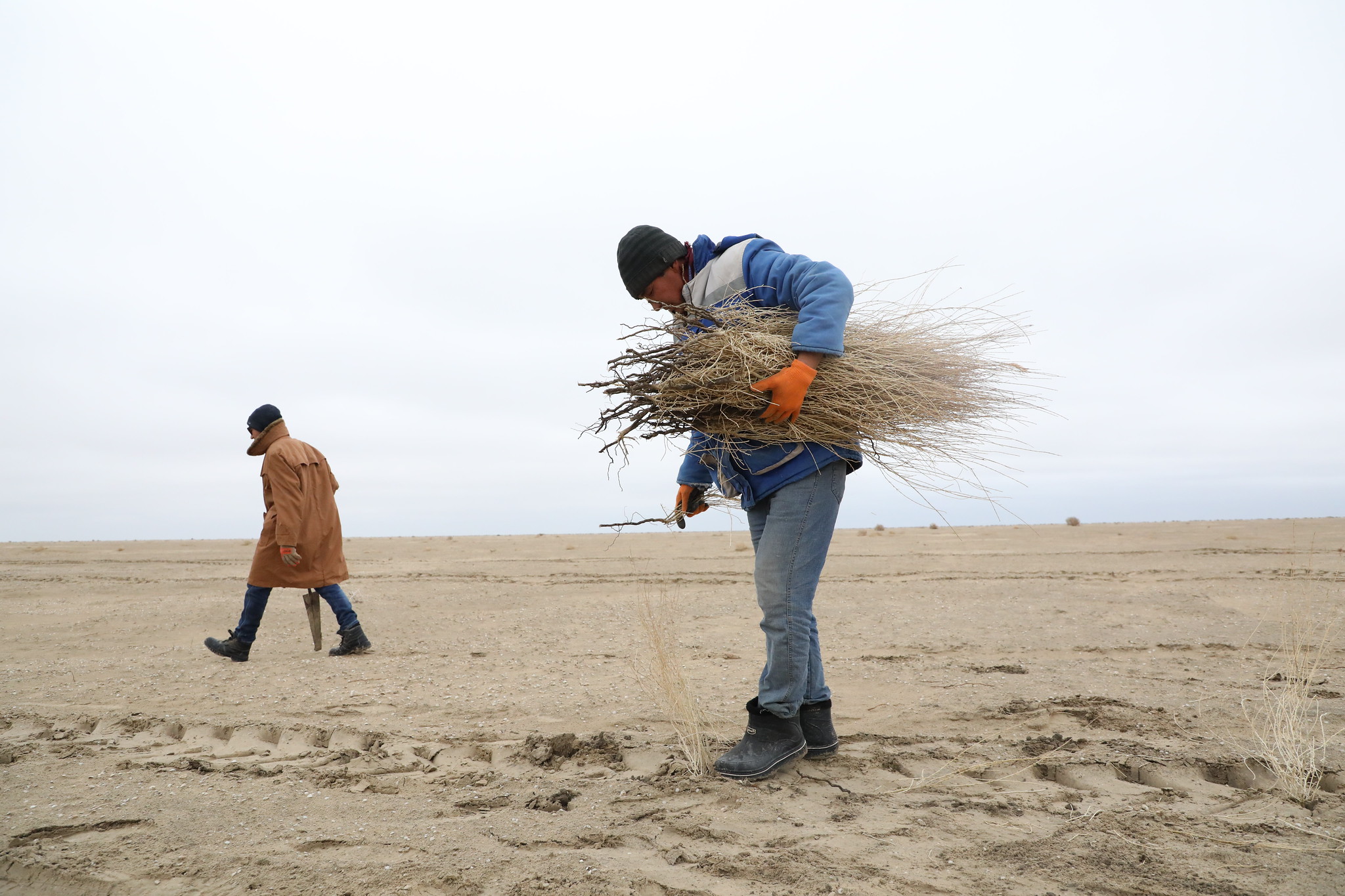
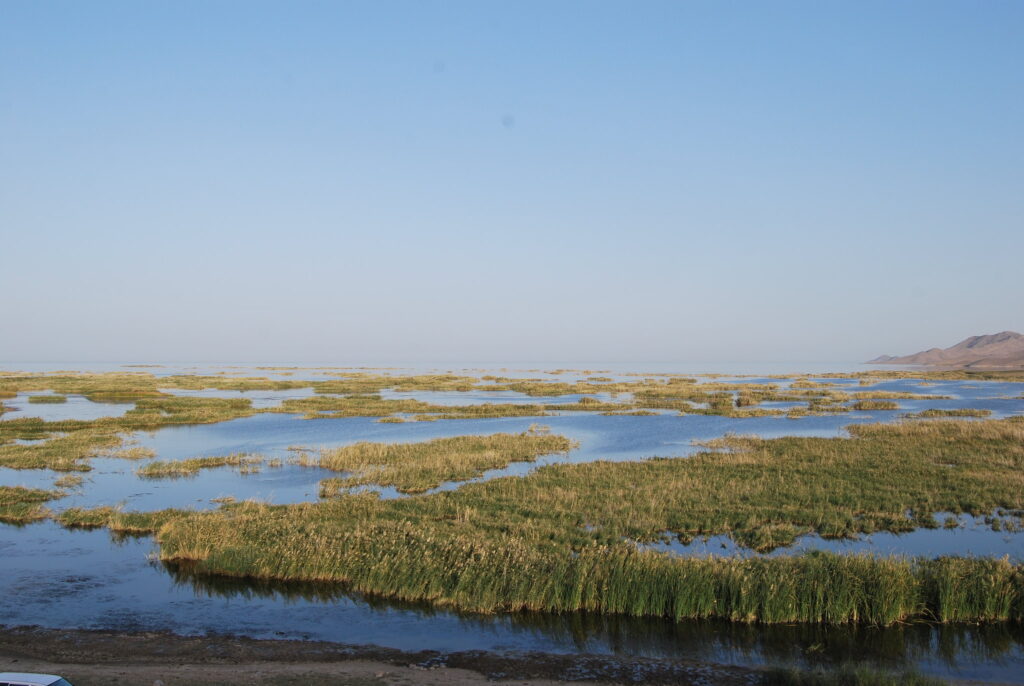
A major focus of the partnership has been the restoration of the Aral Sea region. Through the GEF-supported Aral Sea Wetlands Project, UNDP and national partners have worked to restore wetlands, improve water and land management, plant saxaul forests on degraded land, and strengthen biodiversity protection across more than four million hectares.
The organization also pointed to new initiatives aimed at improving hazardous waste management and expanding biodiversity finance education through cooperation with the Central Asian Green University. These efforts are designed to strengthen environmental governance and prepare future specialists for Uzbekistan’s green transition.
UNDP noted that environmental projects have delivered measurable economic benefits as well. In Tashkent, sustainable transport initiatives helped reduce annual CO2 emissions by up to 24,000 tons, increase public transport use, and support the introduction of electric buses.
The upcoming GEF Assembly and ECO EXPO Central Asia 2026 are expected to showcase Uzbekistan’s progress in environmental protection and its ambitions to become a regional hub for green development and climate resilience.