Protesters Revive “Take the Knee” Demonstrations after Henry Nowak Controversy

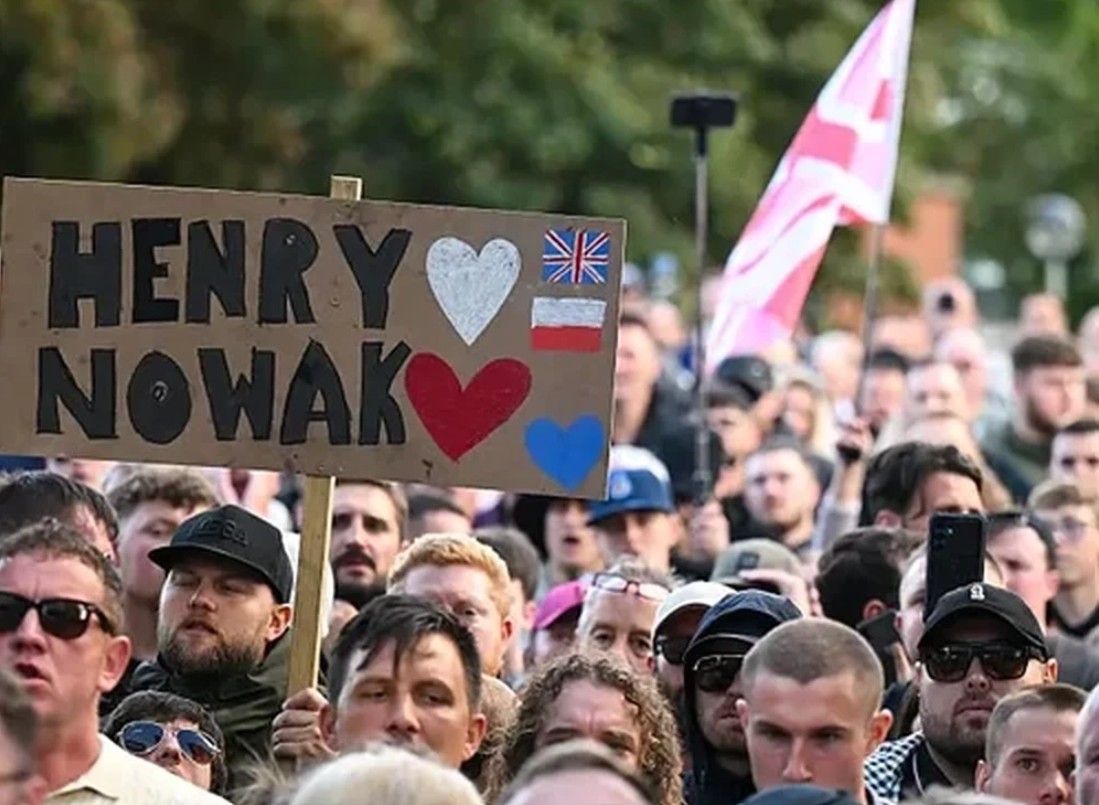
Protesters have revived the «take the knee» gesture during demonstrations sparked by outrage over comments and actions linked to public figure Henry Nowak, reigniting debate over racism, discrimination and political activism.
Crowds gathered in several locations to express solidarity with minority communities, with many participants kneeling as a symbol of opposition to racial injustice. The gesture gained international prominence during the Black Lives Matter movement and has remained a powerful form of protest against discrimination.
Organizers said the demonstrations were prompted by growing public anger surrounding the Henry Nowak controversy, which has generated widespread discussion on social media and among political activists. Protesters argued that the incident highlighted broader concerns about equality and inclusion.
Supporters of the demonstrations said reviving the gesture was intended to send a message that issues of racism and discrimination remain unresolved. Critics, however, questioned the effectiveness of symbolic protests and accused campaigners of deepening political divisions.
The renewed use of «take the knee» has drawn reactions from politicians, campaign groups and public figures, reflecting ongoing debates over free expression, social justice and the role of protest movements in public life.
The demonstrations come amid a broader resurgence of activism across Europe, where campaigners have increasingly turned to public protests to highlight concerns over discrimination, human rights and social inequality.