7.2 Magnitude Earthquake Rocks Northern Japan, Disrupts Morning Commute

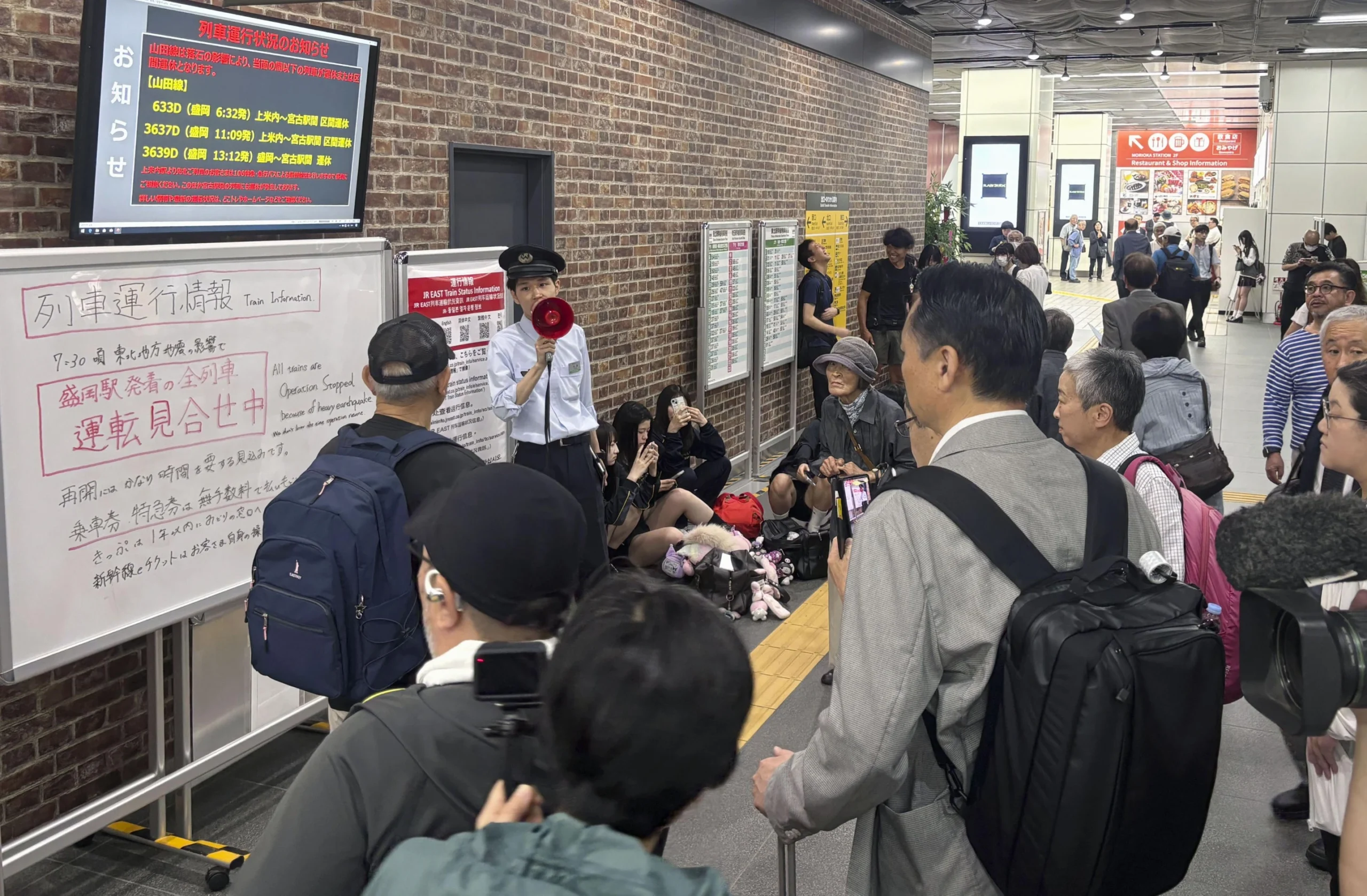
Commuters across northeastern Japan faced a sudden disruption on Thursday morning when a severe offshore earthquake shook the region.
The Japan Meteorological Agency (JMA) recorded the seismic event at a depth of 50 kilometres off the eastern coast of the Iwate prefecture. Initially measured at 6.9 the agency later revised the severity to an imposing 7.2 magnitude. Conversely the United States Geological Survey maintained its own independent assessment at 6.9.
Despite the terrifying intensity of the tremor which sent moderate shockwaves all the way to the capital city of Tokyo officials quickly dispelled any fears of a tsunami. Top government spokesperson Minoru Kihara addressed the media shortly after the event to confirm that emergency services had received no immediate reports of structural collapse or civilian injuries.
Critical infrastructure remains secure
The government reassured the public that highly sensitive regional infrastructure was entirely unaffected. All nuclear sites including the Aomori spent fuel reprocessing plant and the historically vulnerable Fukushima Daiichi facility reported zero operational abnormalities following the quake.
Prime Minister Sanae Takaichi stressed that her administration is placing human life above all else while actively monitoring the situation for potential aftershocks. She assured the public that emergency response teams are on standby and fully prepared to deploy relief operations should the situation suddenly deteriorate.
Local resilience and transport delays
On the ground everyday life experienced a brief but noticeable pause. In the Aomori prefecture town of Hashikami primary school headteacher Tomoko Nagane recounted feeling a moderate sideways swaying from behind the wheel of her car just as the national early warning system triggered.
Although the students who had already arrived at her school were physically unharmed the sheer fright of the event left many in tears. As a precaution all classes were cancelled for the day and the children were safely returned to their families.
Meanwhile national broadcaster NHK painted a picture of calm resilience in major urban hubs like Sendai and Morioka. Live footage showed residents navigating their daily journeys largely unbothered even as the East Japan Railway Company temporarily halted several local routes and high-speed bullet trains to carry out vital track inspections.
