Over 46,000 Unaccounted For After Twin Earthquakes Devastate Venezuela

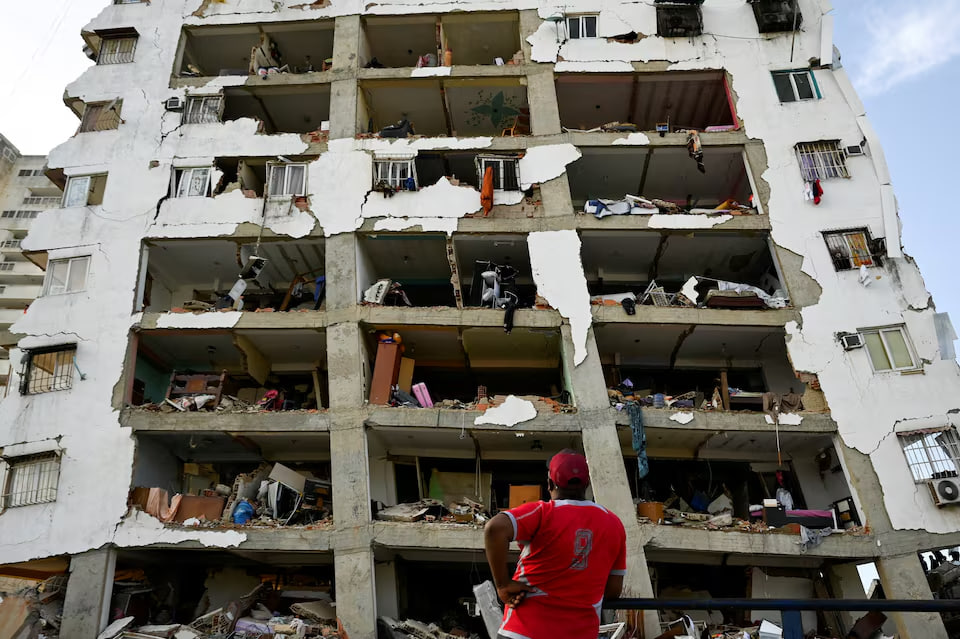
A double seismic strike has brought unprecedented destruction to Venezuela, flattening neighbourhoods in the capital of Caracas and leaving an untold number of citizens trapped beneath heavy concrete rubble.
The catastrophe began on Wednesday evening during a public holiday when an initial 7.2 magnitude earthquake erupted roughly 160 kilometres west of the capital. Within sixty seconds, a second and even more violent 7.5 magnitude tremor convulsed the region. Records from the United States Geological Survey confirm that this second shockwave stands as the most powerful to hit the country since 1900.
The timing could not have been worse for the South American nation, whose infrastructure was already deeply decayed by years of severe economic depression. Continuous aftershocks are now terrifying survivors and complicating the scramble to pull people from the debris.
Coastal belt declared a disaster zone
While Caracas experienced significant swaying and structural failures, the neighboring coastal state of La Guaira suffered the heaviest blow. Acting President Delcy Rodriguez has officially designated the coastal strip a disaster zone, where power grids have failed entirely and the main international airport has been forced to close due to heavy terminal damage.
Official counts remain fluid, but Health Minister Carlos Alvarado reported that morgues and medical clinics had processed 235 fatalities by Thursday night. That figure represents a fraction of the anticipated total; predictive charts run by global geologists suggest the final death toll could realistically surpass 10,000.
According to parliamentary leadership, at least 250 major structures have collapsed or suffered terminal damage. This includes critical service buildings such as eight local hospitals, the head offices of the Venezuelan Red Cross and the French embassy. In La Guaira alone, the interior ministry estimates that 70,000 families have seen their homes compromised or destroyed.
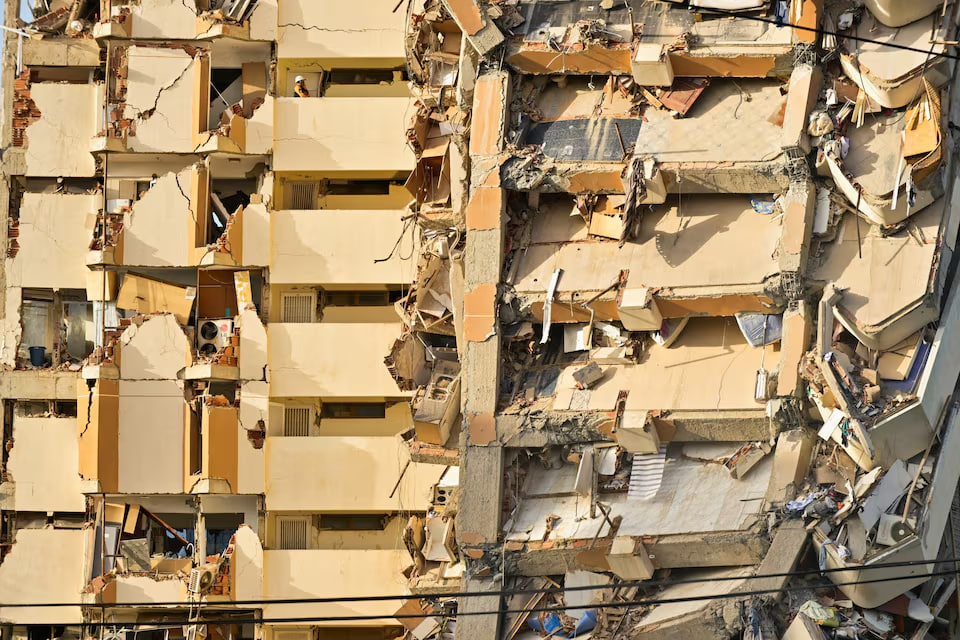
Citizens lead raw rescue efforts
The sheer scale of the collapse has completely overwhelmed municipal emergency departments, forcing everyday citizens to act as first responders. In towns like Moron and La Guaira city, crowds of volunteers spent the night tearing at the wreckage of multi-storey apartment buildings with their bare hands in a desperate bid to locate missing relatives.
Along the main highway connecting the capital to the sea, a continuous column of civilians could be seen marching on foot to deliver water, basic food rations and medical supplies to the coast. Thousands of displaced residents are currently sleeping on open pavements, salvaging mattresses and basic household appliances from the ruins while waiting for official emergency shelters to open. An online missing-persons ledger launched by opposition networks has already registered over 46,000 names of unaccounted-for individuals.
Sanctions eased as global aid mobilises
The humanitarian crisis has prompted an immediate, rare pause in the geopolitical standoff that has isolated the country for decades. United Nations aid coordinators are currently organizing international disaster response units to deploy into the field, noting that roughly 8 million Venezuelans were already dependent on some form of humanitarian support before the ground shook.
In an unexpected diplomatic shift, Washington has acted to temporarily relax its strict economic sanctions. The adjustment legalises financial transactions specifically tied to earthquake relief. The Pentagon is slated to provide logistics management and technical assistance to reopen the runway in Caracas, while private tech firm SpaceX has activated free Starlink satellite internet access across the country to patch together shattered communication networks.
Commercial operators in the vital local oil fields have confirmed that their production platforms and transport infrastructure survived the tremors without experiencing major operational disruptions.