Investors Express Interest in Corporate Bonds

Nikita Gulyaev, CFO of Uzum, spoke to Kursiv Research about investor expectations and demands, how the capital market in Uzbekistan is developing and shared his vision regarding what regulatory changes could stimulate the development of the country’s corporate debt market.
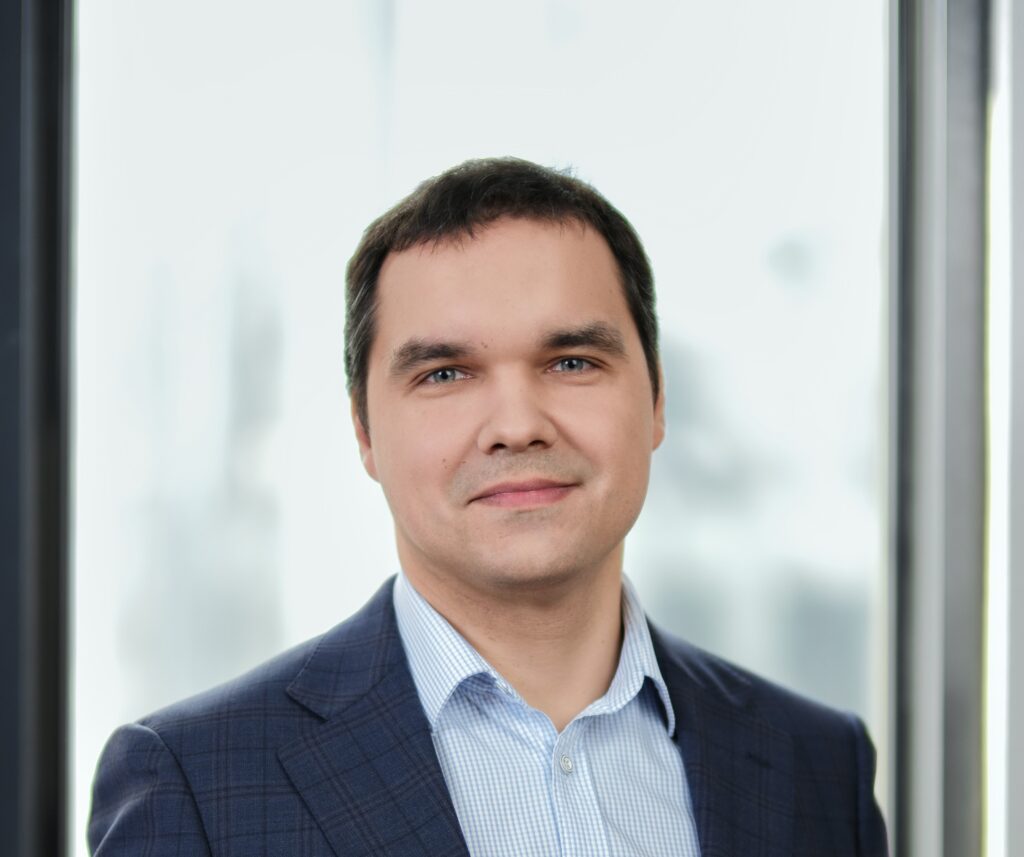
— How would you describe Uzbekistan’s capital market today and how does it differ from other emerging markets?
— Uzbekistan’s capital market today consists mainly of equities and bonds at an early stage of development, yet its potential is truly significant. The real sector is already largely prepared for more active use of market financing, but to achieve this it is important to develop the capital market infrastructure. At the same time, Uzbekistan generally mirrors the profile of many emerging markets: external capital more often arrives via credit lines to banks, state Eurobonds or quasi-state issuers rather than through liquid local exchange instruments. However, we expect this situation to gradually change as the infrastructure develops and market transparency increases, while Uzum, for its part, will continue active engagement with the regulator in this direction.
— Who are the investors in this market today? Which instruments lead in terms of yield and popularity?
— Today, the key investors in corporate bonds of Republic of Uzbekistan issuers are primarily local banks, as well as non-resident companies and individuals. Retail investors and local businesses have limited participation so far: this is affected by a lack of financial literacy and, most importantly, the growing popularity of national currency deposits. When a demand deposit yields over 20% per annum, the incentive to buy bonds significantly decreases.
Today, the market is mainly represented by national currency bonds with a maturity of 1 to 3 years and a coupon rate of around 20–25%. We expect that, thanks to the active stance and involvement of state authorities, 2026 will prove to be a landmark year for the market and will open up new opportunities for developing the foreign currency bond institution.
— What factors or trends have become the most important for international investors: macroeconomics, regulatory changes or the emergence of strong corporate cases?
— Our investors include international corporations, investment funds and private individuals. In our experience, it is not a single factor that matters to international investors but a combination of them: a stable macro environment, issuer transparency and reliability as well as competitive yield. I would specifically note the role of the tax incentive for bonds in Uzbekistan: it is one of the most effective stimuli for the development of the local market and is equally important for both resident and non-resident investors.
— What is the most important aspect of the Uzum case for investors: growth rates, ecosystem scale or the quality of corporate governance and why?
— Investors are generally willing to invest in predictability: a strong team, clear strategy, transparent reporting and execution discipline influence risk perception and, consequently, the cost of debt more strongly than the growth dynamics of individual business segments.
Hence the logical conclusion regarding the structure of issues: we have already arrived at a format of separate local bonds aimed primarily at non-residents, featuring an enhanced level of information disclosure and a more convenient issue structure for this group of investors. For example, foreign investors are more interested in longer bond maturities to lock in yields for the long term and typically focus less on an early redemption option by the issuer.
— How do you strike a balance between aggressive growth and financial stability in a company operating in an emerging market?
— If a company’s business model ensures the efficient use of attracted financial resources, then as the business grows, the company earns more and becomes even more stable.
By focusing on fintech and e-commerce, Uzum is multiplying the scale of its business whilst demonstrating profitable growth. From the outside, such a pace might look aggressive, but for us it reflects the current market dynamics and our actual capabilities.
— What strategic objectives of the company do you plan to achieve with this issue?
— Uzum has already executed three corporate bond issues totalling one trillion soums. The funds from the bond issue are directed towards developing our fintech portfolio of microloans for individuals under the Uzum Nasiya brand. The service allows Uzbekistanis to pay for necessary goods and services in instalments with an interest-free period of up to 30 days, essentially, providing a ‘spare wallet’ for everyday expenses. Today, more than five million residents of the country are already using such a limit.
For Uzum, national corporate bonds are just one of the instruments for financing its ecosystem alongside raising equity capital, reinvesting current profits and credit lines from foreign investors.
— What regulatory changes, in your view, could stimulate the development of the corporate debt market?
— As the largest national ecosystem, Uzum clearly understands its role in the formation of the market, including the capital market. For instance, at the end of 2025, Uzum’s issuance accounted for 42% of all new corporate bonds listed on the Tashkent Stock Exchange. We actively collaborate with state bodies, the exchange and the Central Securities Depository and we are becoming one of the first to implement various innovations in practice. Thus, we currently support the idea of allowing reliable issuers to issue both foreign currency bonds and unsecured bonds in excess of the issuer’s own capital, as well as preserving the current tax incentive for corporate bonds beyond 2028.
We also see that banks are not yet very active participants in the corporate bond market, which reduces their capacity to lend to the real sector of the economy. Prudential incentives could help here by making corporate bonds more attractive to banks than classic commercial lending.
— Why do you think now is the right time to invest in both Uzbekistan and Uzum?
— As a CFO, when evaluating any investment opportunity, I always look at a minimum of three components: risk, yield (after taxes) and liquidity.
In the current market, it is not easy for an investor in the region to find a fully-fledged alternative to corporate bonds: neither gold, Bitcoin, deposits nor real estate typically offer a comparable combination of yield, risk level and liquidity.
In my opinion, this is a rare moment when one can lock in a yield of around 20% for several years against a backdrop of declining rates on bank deposits and government bonds.
Many investors understand this, and we are seeing an increasing interest in corporate bonds month by month. At the same time, investors generally hold our bonds until maturity, recognising the attractiveness of the instrument.