

Warning: Major spoilers for House of the Dragon Season 3 Episode 2
HBO’s House of the Dragon Season 3 Episode 2 shifts the focus from spectacular dragon battles to the political and emotional consequences of war. While the Battle of the Gullet dominates the opening moments, the episode ultimately belongs to two storylines that fans of George R.R. Martin’s Fire & Blood have been waiting years to see: Aemond Targaryen’s arrival at Harrenhal and Rhaenyra Targaryen’s capture of King’s Landing.
The episode expands the Dance of the Dragons in several important ways, setting up future alliances, deepening existing rivalries and signalling that the conflict has entered an even darker phase.
Rhaenyra’s grief becomes her greatest motivation
The episode opens in the aftermath of the Battle of the Gullet. Although Team Black emerged victorious, the victory came at an enormous cost with the death of Prince Jacaerys Velaryon.
Emma D’Arcy delivers one of the strongest performances of the series as Rhaenyra confronts the loss of her eldest son. Rather than immediately turning her grief into vengeance, the episode allows viewers to witness a ruler struggling between personal devastation and political responsibility.
That emotional conflict quickly transforms into determination.

With Daemon returning from the Riverlands, the couple finally begin working together once again. Their fractured relationship, one of the defining storylines of Season 2, appears stronger than it has been in many episodes.
Instead of retreating after the losses suffered by Team Black, Rhaenyra chooses to launch a bold offensive that changes the course of the war.
The Fall of King’s Landing changes everything
The largest political development in Episode 2 is undoubtedly the capture of King’s Landing.
Supported by Daemon and several new dragonriders, Rhaenyra flies toward the capital while much of the city’s leadership is already divided internally. Rather than relying solely on overwhelming dragon power, the takeover succeeds because years of political manoeuvring have weakened the Greens from within.

Inside the Red Keep, Daemon proves once again why he remains one of Westeros’ most dangerous warriors, cutting through resistance before reaching the throne room.
When the City Watch eventually sides with Rhaenyra, the battle is effectively over.
For the first time since the beginning of the civil war, the Black Queen sits on the Iron Throne.
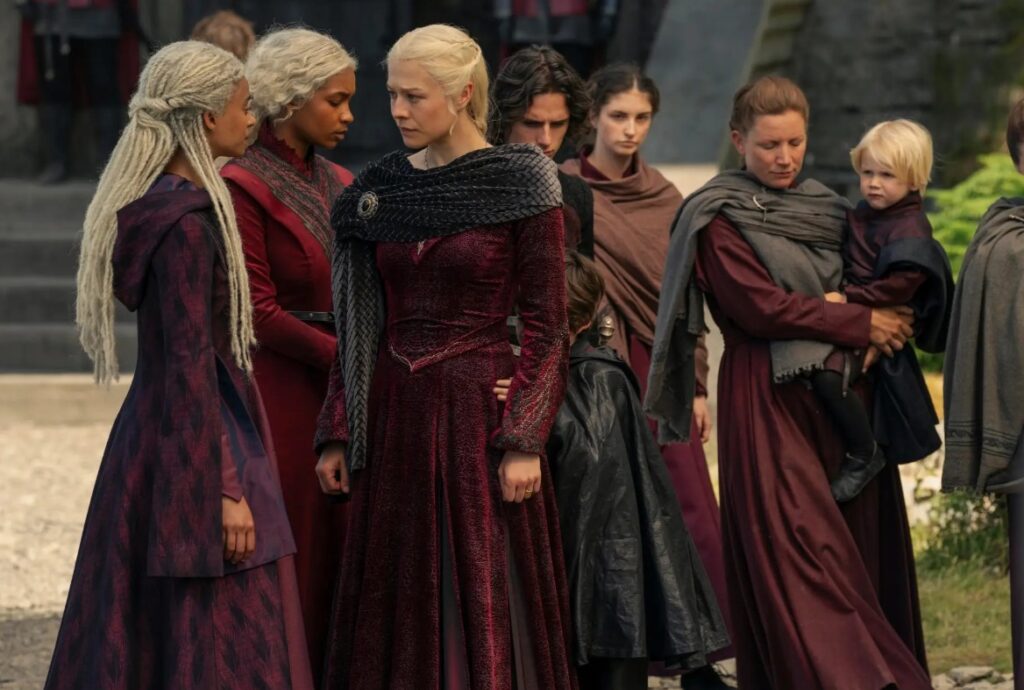
The symbolic victory is enormous. However, it immediately becomes clear that occupying the capital is very different from winning the war. King Aegon II remains missing, several Green commanders are still alive, and the conflict is far from over.
Aemond’s assault on Harrenhal introduces a major new storyline
While Rhaenyra reclaims the capital, Aemond Targaryen pursues his own campaign.

Mounted on the ancient dragon Vhagar, he arrives at Harrenhal expecting to confront Daemon. Instead, he finds only Ser Simon Strong and the remaining defenders.
Unlike Daemon, who previously accepted their surrender, Aemond refuses mercy.
The sequence highlights the increasingly ruthless nature of the prince. He kills Simon Strong and his household before suffering an unexpected injury during the fighting.
That wound completely alters the balance of power.
Instead of standing victorious over another conquered castle, Aemond collapses and is forced to ask for help from the only surviving witness — Alys Rivers.

For viewers familiar with Fire & Blood, this meeting marks one of the most important turning points in Aemond’s story.
Why Aemond and Alys Rivers matter
The relationship between Aemond and Alys Rivers has long fascinated readers of George R.R. Martin’s history of the Dance of the Dragons.
Unlike most political alliances in Westeros, theirs is surrounded by mystery.
Alys is widely believed to possess supernatural abilities, though the books never fully explain whether her visions, prophecies and influence are genuine magic or simply extraordinary manipulation.
Episode 2 deliberately leaves that ambiguity intact.
Instead of introducing their relationship through romance, HBO chooses vulnerability.
For perhaps the first time in the series, Aemond appears physically powerless.
Throughout previous seasons he has been portrayed as calculating, disciplined and almost unstoppable. Here, viewers see the prince stripped of that certainty, creating a dynamic that could dramatically reshape both characters during the remainder of Season 3.
Alicent struggles to save what remains of House Hightower
Back in King’s Landing, Alicent Hightower finds herself trapped between loyalty to her family and the reality that the Greens are losing control.

She quietly attempts to organise the city’s surrender while protecting Queen Helaena from the inevitable collapse of Aegon’s government.
Olivia Cooke once again delivers a restrained performance that captures Alicent’s growing isolation.
Almost every decision she makes now carries impossible consequences.
Her political influence has diminished, her family is scattered, and her long rivalry with Rhaenyra reaches an entirely new stage once the Black Queen enters the Red Keep.
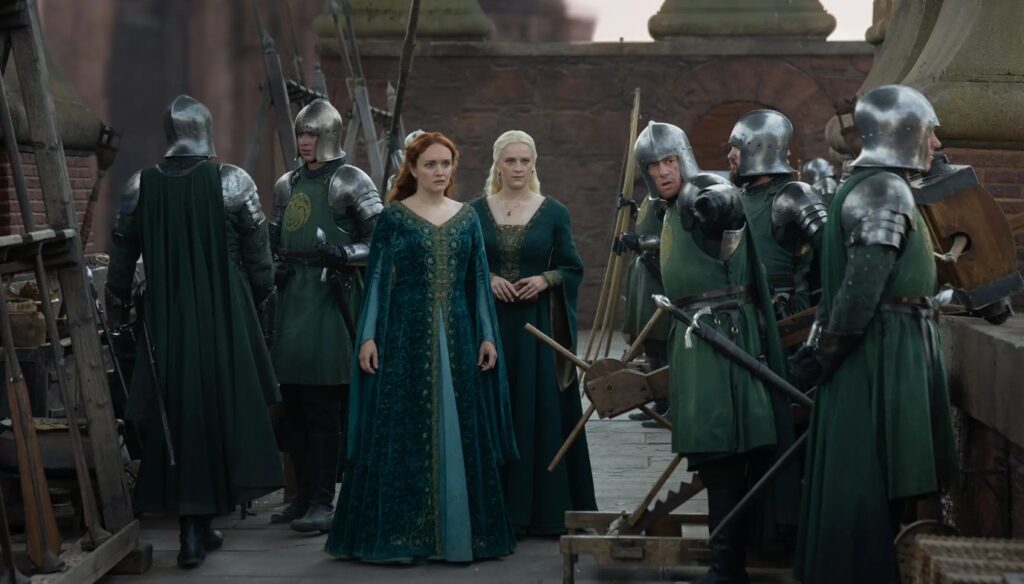
Their eventual confrontation closes the episode with a reminder that, despite all the dragons and battles, House of the Dragon remains fundamentally a story about two women whose fractured relationship helped ignite a civil war.
Daemon embraces his role once more
Season 2 frequently portrayed Daemon as isolated and uncertain during his prolonged stay at Harrenhal.
Episode 2 finally restores much of the confidence that made him one of the franchise’s most compelling characters.

Matt Smith balances Daemon’s brutal efficiency with moments of dry humour, particularly during his interactions with the newer dragonriders.
More importantly, Daemon and Rhaenyra once again appear united behind a common objective.
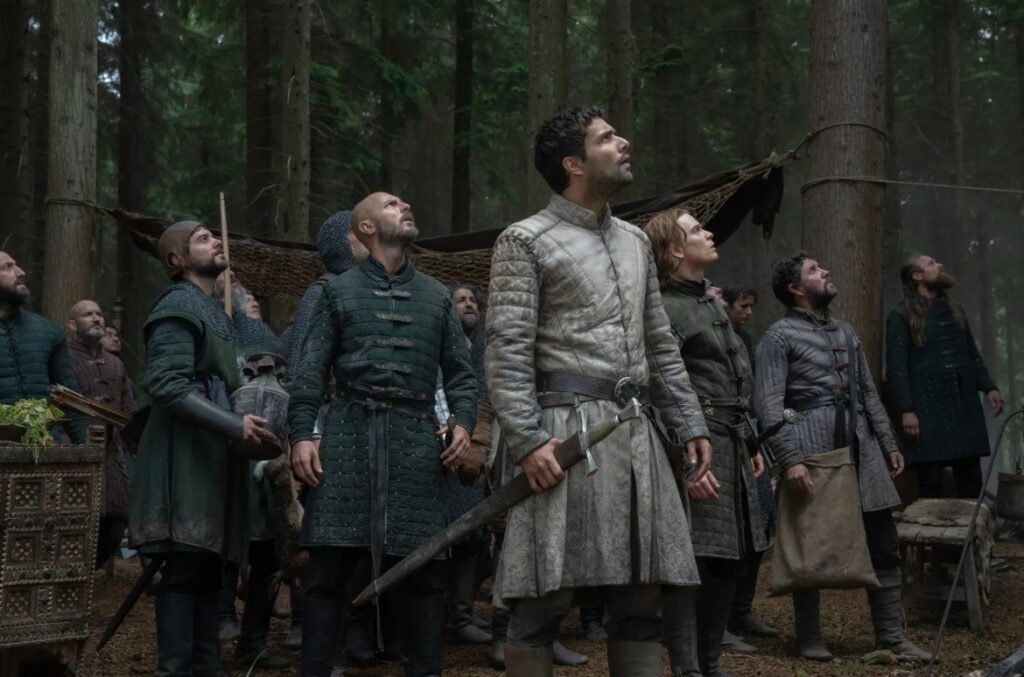
That partnership could prove decisive as the war moves into its next phase.
A season built on consequences rather than spectacle
While Episode 1 centred on the enormous Battle of the Gullet, Episode 2 demonstrates that House of the Dragon remains most effective when focusing on political intrigue and character development.

Every major victory carries devastating personal consequences.
Rhaenyra wins the capital but loses her heir.
Aemond captures Harrenhal but nearly dies.
Alicent saves members of her family but loses her political authority.
These parallel storylines reinforce one of George R.R. Martin’s central themes: no one truly wins civil war.
What Episode 2 means for the rest of Season 3
With King’s Landing now under Black control and Aemond beginning his relationship with Alys Rivers, the conflict enters an entirely new phase.
Several of the most significant events from Fire & Blood are now approaching, including further campaigns across the Riverlands and the continued struggle between the surviving Targaryen factions.
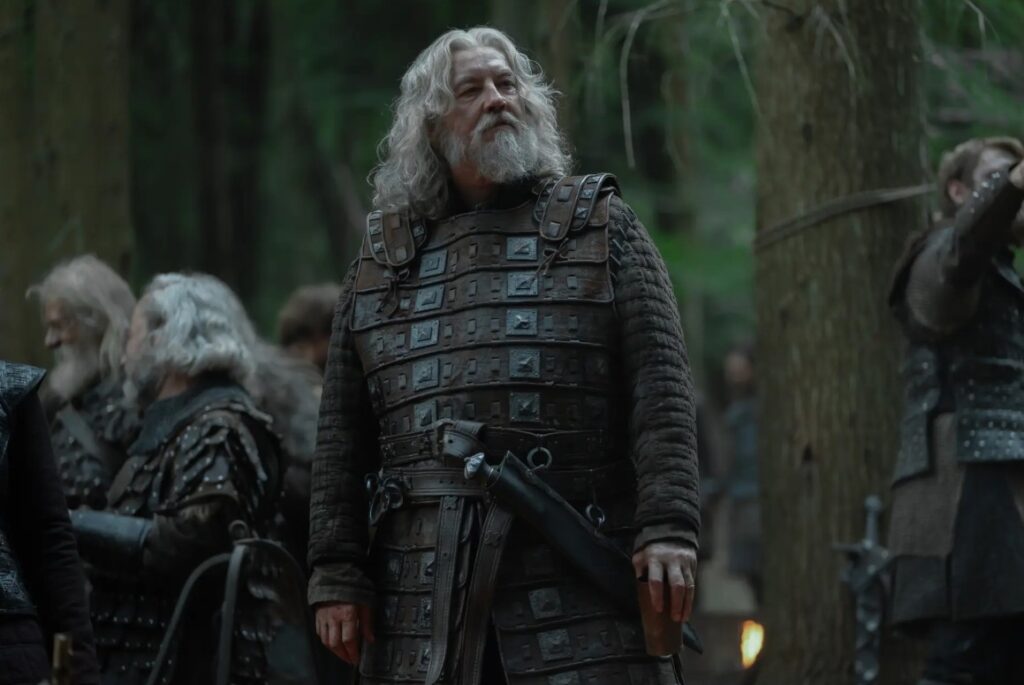
The episode also hints that HBO intends to place even greater emphasis on character relationships than the source material sometimes does.
Whether viewers support Team Black or Team Green, Episode 2 makes one thing clear: the Dance of the Dragons has become less about dragons alone and more about the emotional cost of power.
If the remainder of Season 3 maintains this balance between large-scale spectacle and intimate character drama, House of the Dragon could deliver its most compelling season yet.